Lede
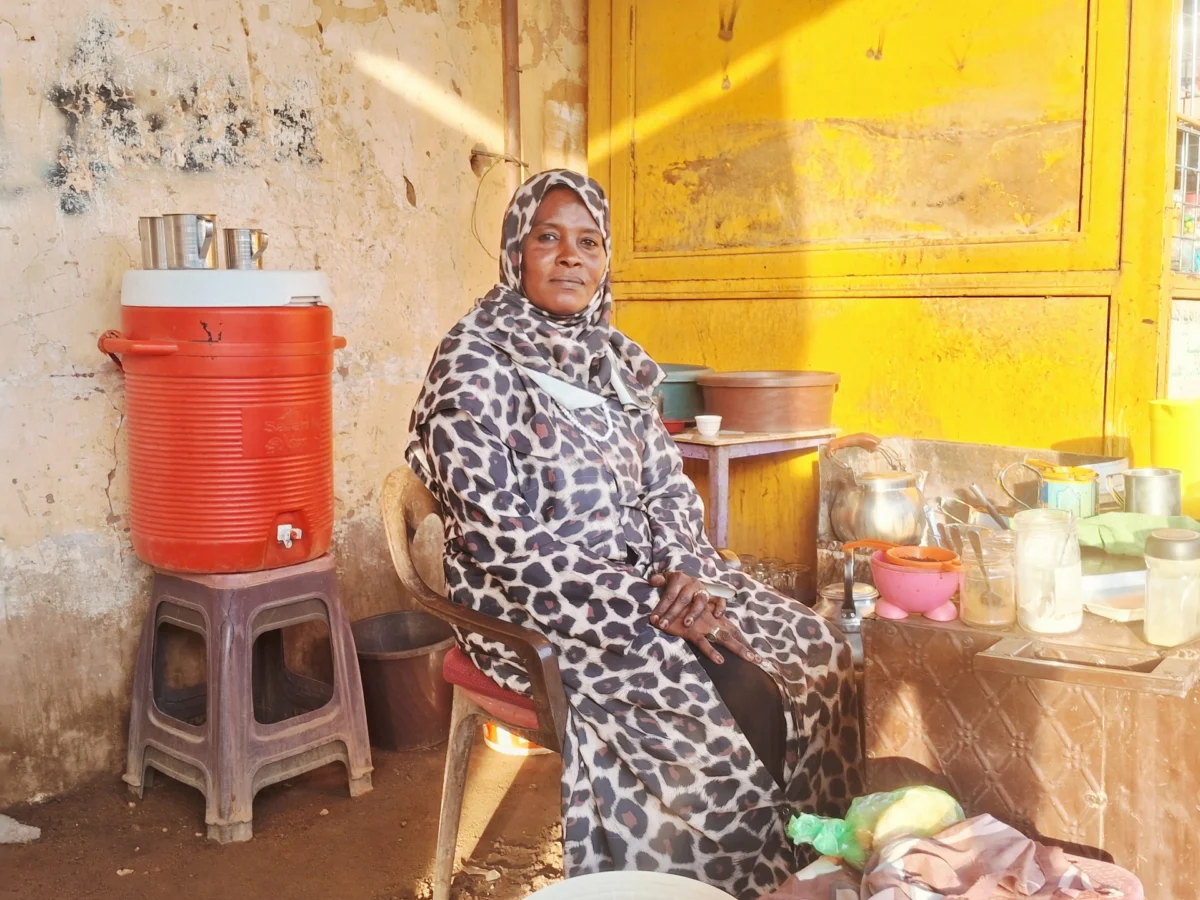
Sudan war and inflation have left families in Khartoum struggling to survive, as soaring food prices and shrinking incomes force households to borrow money and skip meals.
The situation in the capital reflects broader economic collapse compounded by ongoing conflict, deepening an already severe humanitarian crisis.
Key Facts
- Sudan war and inflation leave families struggling in Khartoum.
- Soaring food prices and shrinking incomes force families to borrow money.
- Families in Sudan’s capital are skipping meals to cope.
- Coverage sourced from Al Jazeera – Breaking News, World News and Video from Al Jazeera.
The Story
What happens next?
Families in Khartoum face daily decisions between purchasing food and covering other essentials, with many turning to borrowing as incomes shrink. Inflation has eroded purchasing power while the war disrupts markets and supply chains, making staples increasingly expensive.
International observers have warned that economic collapse combined with conflict accelerates malnutrition and poverty. Without stabilization, borrowing may deepen debt cycles for vulnerable households.
Who is affected?
Residents of Khartoum are the primary group reported as struggling, though similar pressures likely extend to other urban areas affected by the Sudan war. Lower-income families bear the heaviest burden.
Skipping meals has become a coping mechanism, indicating nutritional stress. Borrowing signals financial exhaustion among households already strained by conflict and rising costs.
How did we get here?
The combination of war and inflation created overlapping shocks that weakened livelihoods. Displacement, reduced employment, and price spikes converged to reduce access to food in the capital.
Prior economic instability preceded the latest Sudan war escalation, suggesting structural vulnerabilities amplified recent hardship. Markets and services disrupted by fighting worsened affordability.
What We Know — and What We Don’t
Verified by the source:
- Sudan war and inflation leave families struggling to survive in Khartoum.
- Soaring food prices and shrinking incomes force families to borrow money.
- Families in the capital skip meals to cope with economic pressure.
- Reporting attributed to Al Jazeera – Breaking News, World News and Video from Al Jazeera.
Still unconfirmed:
- Exact inflation rates or food price increases.
- Number of households affected or borrowing levels.
- Geographic scope beyond Khartoum.
- Duration or timeline of coping behaviors.
Why It Matters
Widespread food insecurity and debt among civilians in Khartoum signal deeper societal stress tied to the Sudan war and economic collapse, raising risks of long-term poverty and regional instability.
What To Watch
Future reporting may clarify the scale of household debt and whether humanitarian aid reaches affected families in the capital.