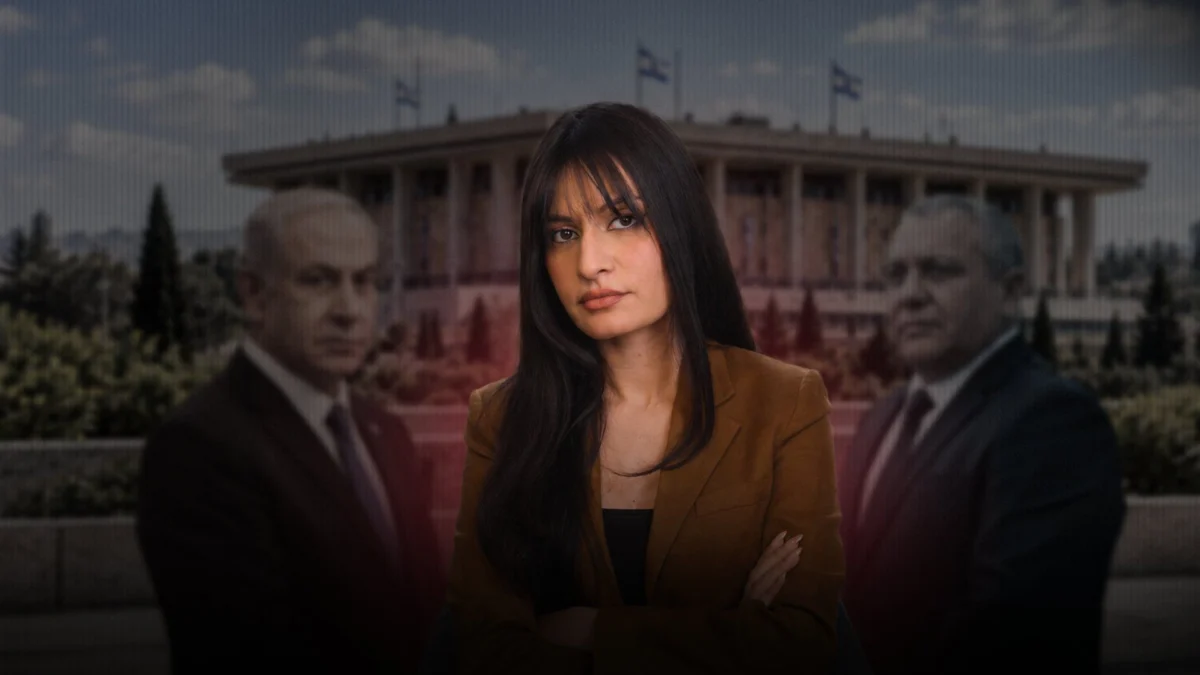
Israel’s latest elections have produced conflicting claims of victory, with Prime Minister Benjamin Netanyahu and former military chief Gadi Eisenkot each asserting they have won. The result deepens uncertainty over who will form the next government, leaving the country in a prolonged political deadlock.
The outcome reflects a closely divided electorate and no clear majority for any single party, prolonging the chronic instability that has marked Israeli politics in recent years. Until a formal coalition is agreed upon, the question of leadership remains unresolved.
Key Facts
- Prime Minister Benjamin Netanyahu claims victory in Israel’s election, according to Al Jazeera.
- Former military chief Gadi Eisenkot also claims victory in the same election.
- The election result has not yet produced a clear governing coalition, Al Jazeera reports.
The Story
What Happens Next?
Following the election, the President of Israel typically tasks the leader of the largest party or most viable faction with forming a government. However, with both Netanyahu and Eisenkot claiming victory, the path forward depends on which candidate can secure support from smaller parties to build a majority in the Knesset.
If neither candidate can assemble a governing coalition within the designated timeframe, the President may assign the task to another party leader or, in extreme cases, call for another round of elections — something Israel has experienced multiple times in recent years.
Who Is Affected?
Israeli citizens are directly impacted by the ongoing political uncertainty, as delayed coalition formation can stall legislative priorities and policy decisions. International allies, particularly those involved in regional diplomacy or bilateral agreements, are also watching closely for shifts in defense, economic, or foreign policy direction.
Investors in Israeli markets and global observers concerned with Middle East stability may see continued volatility until a stable government emerges. Domestic institutions, including the judiciary and civil service, must continue operating amid the uncertainty.
How Did We Get Here?
Israeli elections often result in fragmented parliaments due to the structure of its proportional representation system. This design allows many small parties to gain seats, making it difficult for any one party to win an outright majority.
In this context, both Netanyahu and Eisenkot represent major political blocs seeking to capitalize on public sentiment. Netanyahu, leader of the Likud party, has dominated Israeli politics for over a decade, while Eisenkot, a former chief of staff of the Israel Defense Forces, ran under a centrist platform appealing to voters weary of polarization.
What We Know — and What We Don’t
Verified by the source:
- Benjamin Netanyahu declared victory in the recent election, according to Al Jazeera.
- Gadi Eisenkot also declared victory in the same election, per Al Jazeera.
- The final vote tally and official results were not detailed in the report.
Still unconfirmed:
- Which candidate will ultimately be assigned to form a coalition government by the President.
- Exact seat distribution among parties in the newly elected Knesset.
- Timeline for resolution of the current political deadlock.
Al Jazeera’s coverage does not offer a comprehensive breakdown of poll data or exit interviews, leaving key specifics about voter preferences unverified at this stage.
Why It Matters
A stable government is essential for effective policymaking in areas such as security, healthcare, and diplomacy. Prolonged political deadlock risks paralyzing decision-making at a time when regional tensions remain high and domestic challenges demand urgent attention. For international partners, uncertainty over Israel’s next leader could slow progress on diplomatic initiatives or defense cooperation.
What To Watch
Observers should monitor whether the President formally endorses one candidate to begin coalition negotiations and whether smaller parties publicly align with either Netanyahu or Eisenkot in coming days.
Meta description: Netanyahu and Eisenkot claim victory in Israel elections; outcome uncertain as coalition talks loom.