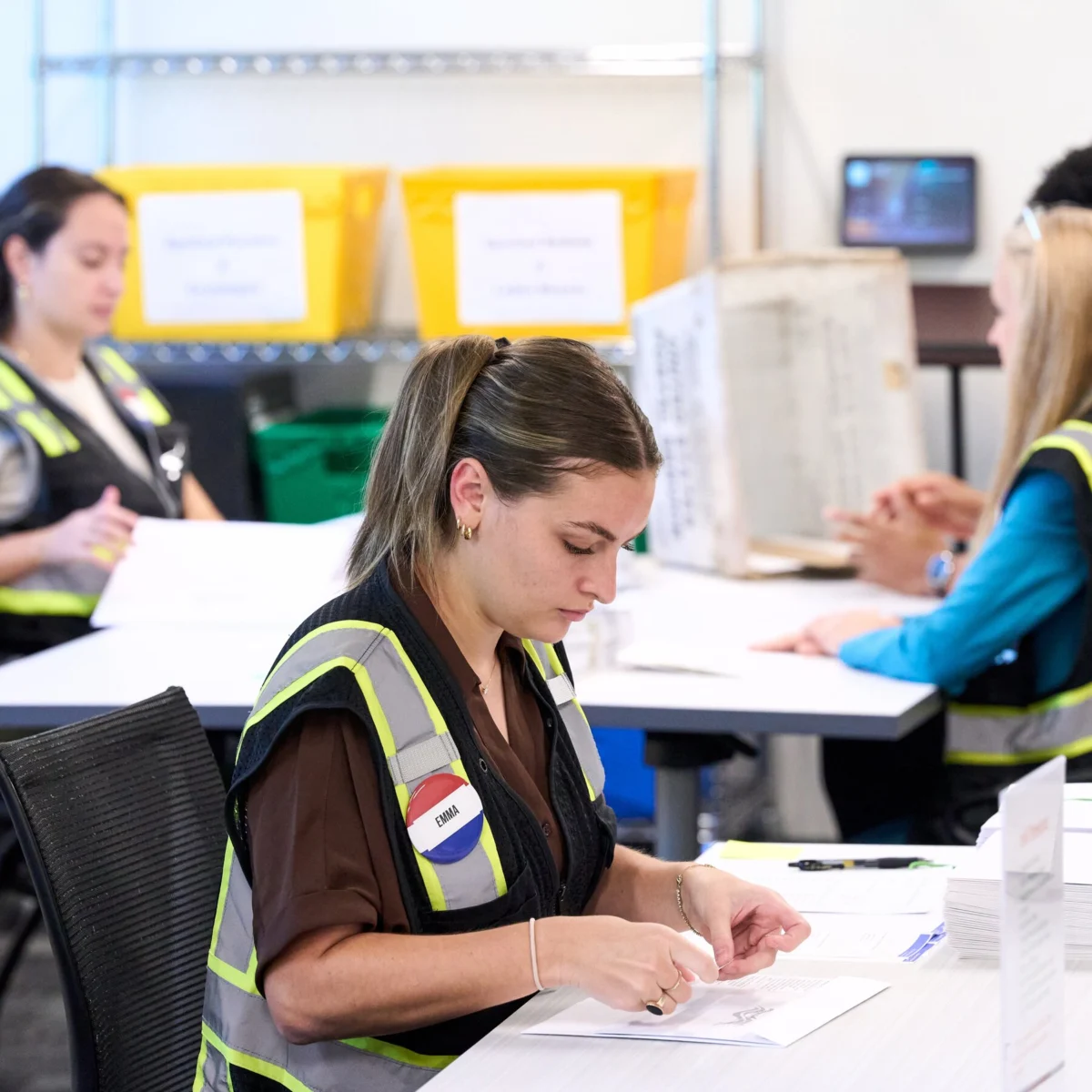
Despite President Trump’s failed attempts to limit mail voting before the midterms, states are now working to restore trust in the postal ballot system. The Supreme Court’s intervention prevented broad restrictions from taking effect, but confusion and doubt among some voters persists.
This effort reflects a growing divide in how Americans view the security and reliability of mail voting, especially after years of contested claims about fraud and integrity. States across the country are now taking steps to clarify procedures, improve access, and ensure that voters feel confident using mail-in ballots.
Key Facts
- Trump’s restrictions on mail voting were blocked by the Supreme Court.
- The blocked plans caused confusion and doubt among some voters.
- States are actively working to restore trust in mail voting.
- These efforts follow pre-midterm pushback against expanded mail-in ballot access.
Story
How did we get here?
The Trump administration made multiple legal and administrative moves aimed at tightening rules for mail-in voting ahead of the recent midterm elections. These included proposed changes to postal service operations and challenges to court orders that had expanded ballot access in several states. However, the Supreme Court stepped in to block key aspects of those efforts, citing concerns over last-minute changes and potential disenfranchisement.
While many voting rights advocates celebrated the court’s actions, others argue that repeated attempts to question the legitimacy of mail voting have left a lasting impact on public perception. Some voters remain uncertain about whether their ballots will be counted correctly or arrive on time, even as officials insist that systems are secure and functioning properly.
What happens next?
In response to lingering voter skepticism, state election offices are implementing new outreach campaigns, simplifying application processes, and increasing transparency around ballot tracking and verification. California and Colorado, which have long relied on all-mail elections, are sharing best practices with states less familiar with large-scale absentee voting.
Additionally, nonpartisan organizations are partnering with local clerks to host town halls and educational forums focused on dispelling myths about mail voting security. Officials emphasize that robust auditing and chain-of-custody protocols protect the integrity of every submitted ballot. Still, rebuilding trust takes time, particularly in communities where misinformation has spread widely.
What We Know — and What We Don’t
Verified by the source:
- President Trump sought to restrict mail voting before the midterms.
- Those efforts were blocked by the Supreme Court.
- States are working to restore trust in mail voting as a result.
Still unconfirmed:
- The specific mechanisms used by the Supreme Court to block the restrictions.
- The full scope of voter confusion or doubt caused by these efforts.
- Which states are leading the charge to reestablish mail voting confidence.
- Details about ongoing restoration initiatives beyond general descriptions.
Why it matters
Trust in democratic institutions depends not only on fair processes but also on public belief that those processes work. When significant portions of the electorate harbor doubts about how their votes are collected and counted, it undermines civic participation and weakens the legitimacy of outcomes. Ensuring that all eligible Americans can vote safely and confidently—regardless of method—is essential to maintaining a healthy democracy.
What to watch
Watch for further judicial decisions and policy shifts related to election law as November approaches. Further clarity may come through audits, reports from election monitors, or additional guidance issued by state and federal authorities.