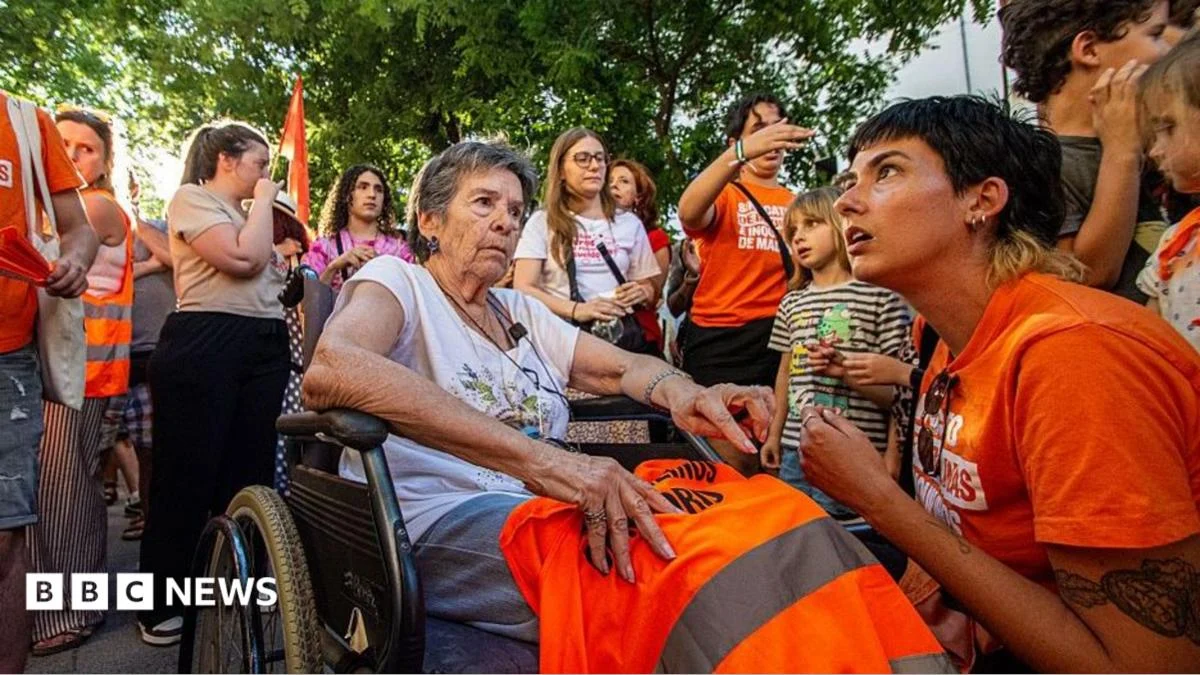
An 87-year-old Spanish pensioner’s eviction has drawn national attention after her lawyer announced she may return home, following large-scale protests sparked by the case. The eviction of Maricarmen Abascal became a flashpoint for housing rights activists across Spain, highlighting tensions over affordable housing and elderly protection policies.
The situation underscores broader societal challenges regarding housing security for vulnerable populations, particularly in urban areas where property prices have risen sharply in recent years.
Key Facts
- Maricarmen Abascal, aged 87, was evicted from her home.
- Her lawyer stated she can now move back home.
- Large-scale protests occurred across Spain in response to the eviction.
Who Is Affected by the Eviction?
The case centers on an elderly woman whose displacement triggered public outcry. Beyond the individual, many Spaniards face similar risks due to rising housing costs and insufficient tenant protections. Advocacy groups have long warned that older adults on fixed incomes are increasingly vulnerable to displacement when landlords seek higher-paying tenants or sell properties.
This particular eviction gained traction because it symbolized larger systemic issues. Elderly residents often lack mobility or financial means to contest relocations, making them easy targets for developers or investors seeking to maximize rental value or property turnover.
Public reaction reflected widespread concern about social equity. Demonstrations erupted not just in Madrid but also in other major cities like Barcelona and Valencia, signaling that this was not merely a local dispute but a national conversation starter about housing justice and dignity in aging populations.
What Happens Next?
While the pensioner’s lawyer confirmed she may return home, details remain unclear regarding timelines or whether all legal hurdles have been cleared. It is unknown if the original eviction order will be permanently rescinded or if further court proceedings are required before reoccupation becomes final.
The outcome could influence pending legislation aimed at strengthening tenant rights, especially among seniors. Lawmakers have previously debated reforms to prevent forced evictions of low-income households, though progress has stalled amid political divisions.
If rehousing proceeds smoothly, it might serve as a precedent for resolving comparable disputes. Conversely, any complications could reignite protests and deepen scrutiny of current housing laws.
How Did We Get Here?
Spain’s housing landscape shifted dramatically after economic downturns led to stricter mortgage enforcement and increased foreclosures between 2008 and 2014. Many families lost homes during that period, prompting some regional governments to implement emergency measures shielding vulnerable occupants from immediate removal.
However, gaps persist in national-level policy consistency. While certain autonomous communities offer subsidies or rent controls, eligibility criteria vary widely, leaving some individuals without recourse even when facing imminent displacement.
Recent spikes in property values—particularly in city centers—have intensified pressure on renters. With inflation eroding purchasing power, fixed-income earners like retirees find themselves priced out of neighborhoods they’ve called home for decades.
What We Know — and What We Don’t
Verified by the source:
- Maricarmen Abascal, 87 years old, experienced an eviction.
- A lawyer representing her announced that moving back home is possible.
- Protests took place across Spain following the eviction event.
Still unconfirmed:
- The exact date or location of the eviction.
- Reason why the eviction initially happened.
- Legal basis supporting the pensioner’s return.
- Extent and organization behind the protests nationwide.
- Whether additional cases are being reviewed under similar circumstances.
Why It Matters
For readers globally, this story reflects common struggles faced by aging populations dealing with unaffordable housing markets. It also illustrates how personal hardship can galvanize collective activism around economic justice—a dynamic relevant far beyond Spain’s borders.
What To Watch
Further updates depend on whether judicial processes allow Ms. Abascal to resume occupancy quickly. Public demonstrations may continue if resolution appears delayed or incomplete. Meanwhile, lawmakers might revisit draft bills addressing senior housing vulnerabilities.
Meta description: An evicted Spanish pensioner may move back home after protests erupted nationwide, according to BBC News.