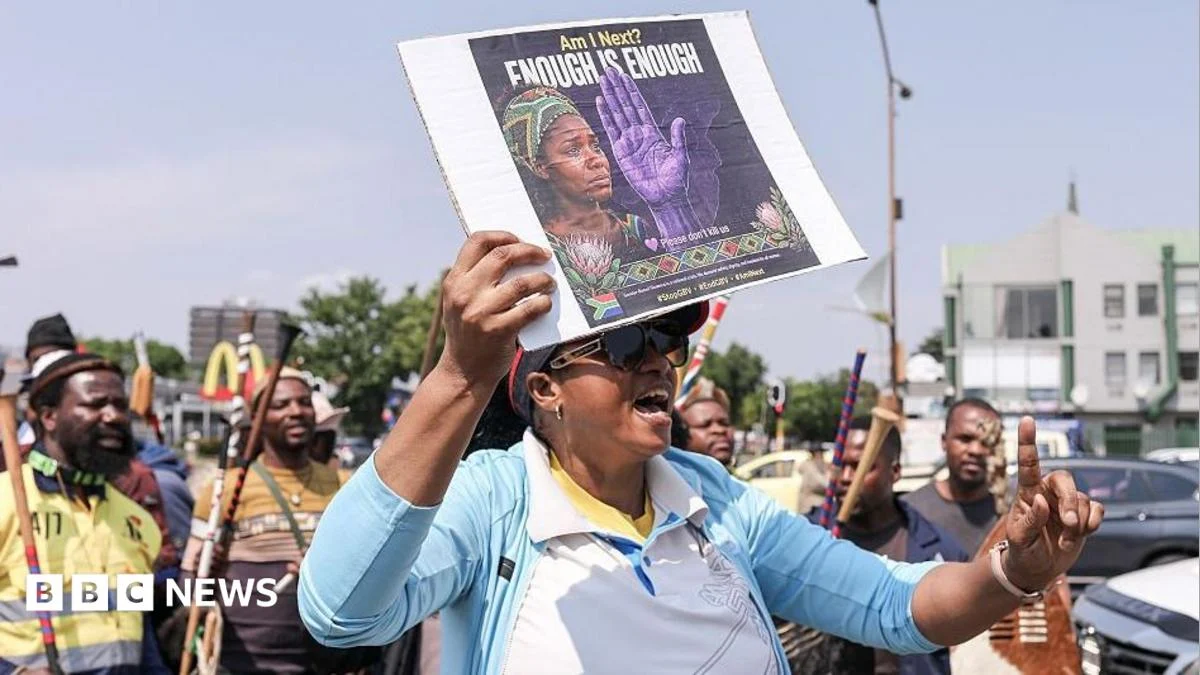
Twelve women have been killed in one part of South Africa since July, a figure confirmed by South African President Cyril Ramaphosa. Ramaphosa described the murders as a stain on the nation’s conscience, underscoring growing concern over violence against women in the country. The deaths have sparked renewed public outcry and calls for stronger government action to protect vulnerable communities.
The president’s remarks came after a wave of reports linking the killings to broader patterns of gender-based violence in the region. While no further details about the circumstances of each death were provided in initial briefings, the scale of the deaths within a short timeframe has drawn sharp attention from civil society groups and opposition leaders. Authorities have yet to release an official statement outlining investigative steps or potential arrests related to the cases.
Key Facts
- Twelve women killed in one part of South Africa since July.
- President Cyril Ramaphosa called the killings a stain on the national conscience.
- Reports center on a specific region, though no province was named.
- No official timeline or arrest details released by police.
- Civil society groups have expressed alarm over the rising toll.
What Is Driving These Killings?
The lack of detailed reporting leaves significant gaps in understanding what connects the twelve deaths. South Africa has among the highest rates of gender-based violence globally, and activists say systemic failures in policing and prosecution often allow perpetrators to act with impunity. Without access to case files or forensic updates, it is unclear whether the deaths stem from a single network or multiple unrelated incidents.
Community leaders have urged transparency, insisting that public trust depends on visible progress in solving the cases. Meanwhile, political analysts note that high-profile remarks from the president carry weight but must be followed by concrete policy measures. The absence of a dedicated task force or centralized database makes tracking outcomes difficult for both citizens and journalists.
How Did We Get Here?
Gender-based violence in South Africa has long been a national crisis, with repeated promises from successive governments to address it. A 2020 state of emergency declaration led to temporary measures, including increased funding for shelters and hotlines, but long-term reforms remain stalled in parliament. Activists argue that symbolic statements alone do little to change daily realities for women in underserved areas.
The current spate of deaths fits into a pattern where marginalized communities face disproportionate exposure to danger. Limited resources for social workers and prosecutors mean many cases never reach conviction. As outrage builds online and offline, citizens are pressing for faster accountability and legislative change that matches the urgency of the moment.
What We Know — and What We Don’t
Verified by the source:
- Twelve women were killed in one region of South Africa beginning in July.
- President Cyril Ramaphosa publicly condemned the deaths.
- The president labeled the killings a stain on the national conscience.
- No official names, ages, or locations were released.
Still unconfirmed:
- The exact province or city where the killings occurred.
- Whether any suspects have been identified or arrested.
- Any connection between the individual cases.
- Timeline for official investigations or government response.
- Official data confirming the count beyond presidential remarks.
Why It Matters
Violence against women remains one of the most pressing humanitarian challenges in South Africa, affecting millions and shaping everyday experiences of safety for families across the country. When leaders speak out, they influence whether the issue receives sustained political priority and resource allocation. Public pressure can help push stalled reforms forward, but only if matched by meaningful action from institutions responsible for enforcement and justice.
What To Watch
Citizens and observers will be watching for updates from law enforcement and whether new policies emerge in response to the president’s remarks. Further clarity from officials may help confirm whether these deaths represent an isolated cluster or part of a wider trend.
Meta description: Twelve women killed in one region of South Africa since July, President Cyril Ramaphosa called the deaths a stain on the national conscience.