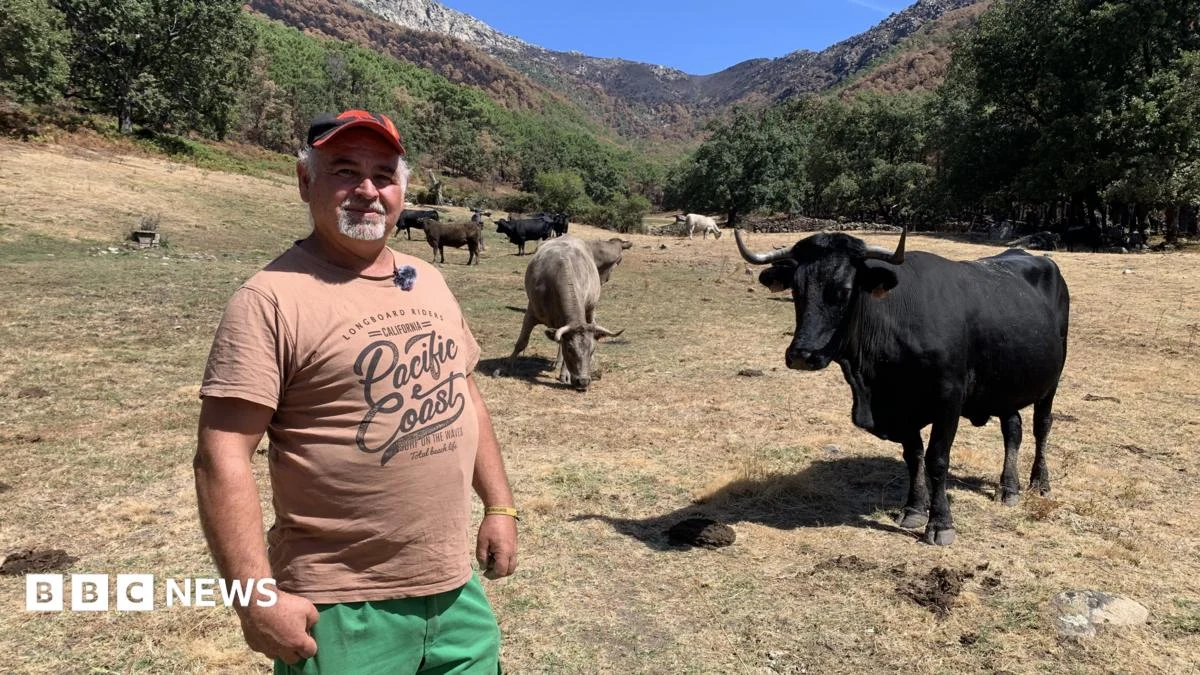
Spain battles climate change on several fronts, with a summer of wildfires and heatwaves underscoring growing threats to the country’s economy. The series of extreme weather events has intensified focus on national resilience and adaptation strategies, highlighting vulnerabilities in infrastructure, agriculture, and energy sectors.
Key Facts
- Spain is actively addressing climate change through multiple initiatives.
- A summer of wildfires and heatwaves has highlighted economic risks.
- Climate-related events are increasingly threatening Spain’s economy.
What Happens Next?
As Spain continues to battle climate change across several fronts, the aftermath of a summer marked by wildfires and heatwaves raises urgent questions about national preparedness. Authorities are expected to evaluate the effectiveness of current disaster response protocols and consider additional measures to mitigate future risks. These extreme weather events not only strain emergency services but also expose weaknesses in sectors such as agriculture, tourism, and energy production. The economic toll from lost productivity, damaged infrastructure, and increased public spending underscores the need for adaptive planning. Policymakers are likely to revisit long-term strategies aimed at reducing carbon emissions and enhancing sustainability. Public awareness campaigns and investment in green technologies may also gain momentum following the visible impacts of recent climate extremes. International cooperation on climate resilience could become more prominent as Spain seeks to align with broader European environmental goals. The coming months will be critical in determining how effectively the country balances economic stability with urgent ecological challenges.
Who Is Affected?
Multiple sectors within Spain are feeling the pressure from escalating climate change effects. Agriculture, a cornerstone of the national economy, faces disruptions due to prolonged droughts and unpredictable rainfall patterns. Farmers are struggling with water shortages and soil degradation, which threaten crop yields and rural livelihoods. Coastal regions dependent on tourism suffer during heatwaves, as extreme temperatures deter visitors and increase energy consumption for cooling. Urban centers grapple with rising temperatures, intensifying the urban heat island effect and straining public health systems. The energy sector experiences volatility as demand spikes during heatwaves while renewable sources fluctuate. Insurance companies report rising claims related to wildfire damage, driving up premiums for homeowners and businesses. Low-income communities are disproportionately affected due to limited access to air conditioning and cooler housing. Educational institutions must adapt to unsafe outdoor conditions, disrupting routines and increasing costs. Overall, the socioeconomic fabric of Spain is being tested as climate change amplifies existing inequalities.
How Did We Get Here?
Spain’s vulnerability to climate change has developed over decades of rising global temperatures and regional climatic shifts. Historically, the country has experienced periodic droughts and heatwaves, but their frequency and intensity have increased markedly in recent years. This trend reflects broader patterns linked to global warming, including higher average temperatures and more erratic precipitation. Population growth and urban expansion have worsened local impacts, particularly in densely populated areas lacking green spaces. Economic activities such as agriculture and tourism, deeply rooted in Spain’s identity, are highly sensitive to climatic variations. Past government responses have focused mainly on short-term disaster relief rather than systemic adaptation. However, mounting evidence linking climate change to economic instability has prompted calls for policy reform. European Union directives have encouraged Spain to adopt greener practices, yet implementation remains uneven across regions. Public awareness of climate risks has grown following visible disasters, creating pressure for comprehensive action moving forward.
What We Know — and What We Don’t
Verified by the source:
- Spain is tackling climate change through various measures.
- Recent summers have seen frequent wildfires and heatwaves.
- These weather events pose risks to the Spanish economy.
Still unconfirmed:
- Specific policies or projects currently underway.
- Estimated economic losses or recovery timelines.
- Regional variations in impact severity across Spain.
Meta description: Spain battles climate change amid wildfires and heatwaves threatening economic stability and prompting policy reassessment.
Why It Matters
Climate change poses significant challenges not only to Spain but also to societies worldwide, especially those with strong ties to climate-sensitive industries. For readers in economies reliant on agriculture, tourism, or outdoor labor, rising temperatures and extreme weather can disrupt livelihoods, reduce quality of life, and strain public resources. Understanding how countries like Spain respond to these threats offers insight into broader trends affecting food security, migration, insurance markets, and political stability. As global temperatures continue to rise, the experiences of nations already facing severe climate impacts serve as early warnings for others. Staying informed about climate adaptation efforts helps individuals and communities prepare for similar challenges ahead.
What To Watch
Future developments in Spain’s climate policy may include new legislation targeting emission reductions and infrastructure upgrades designed to withstand extreme weather. Monitoring official statements and international climate reports will provide further clarity on whether these measures prove sufficient to protect both lives and the economy.