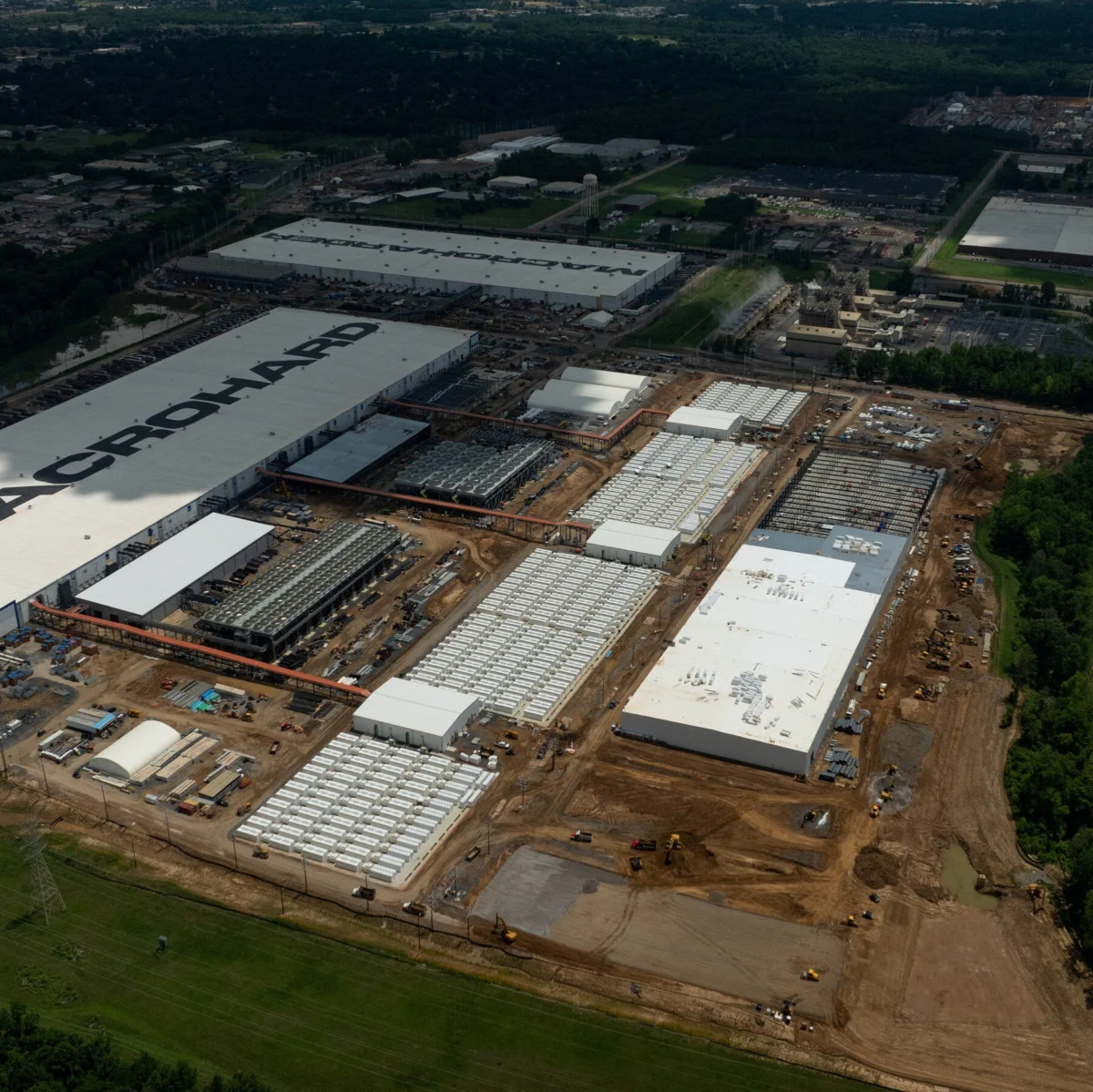
Elon Musk’s SpaceX is renting out computing power from its data centers to artificial-intelligence competitors, including Anthropic, a move that complicates his own AI efforts. The arrangement puts the rocket company in the unusual position of supplying critical infrastructure to rivals in the fast-moving AI race.
The situation highlights a strategic tension: SpaceX’s Starlink and related infrastructure generate spare compute capacity that can be monetized, yet doing so directly aids companies racing against Musk’s xAI venture. This dynamic underscores how infrastructure ownership does not guarantee competitive advantage when that infrastructure is shared.
Key Facts
- SpaceX operates data centers with computing power available for lease
- Customers include AI competitor Anthropic
- Renting capacity to rivals makes it harder for Musk’s own AI effort
- The dilemma centers on SpaceX AI strategy and resource allocation
- Source: NYT > Top Stories reporting
The Compute Supply Chain
Data centers operated by SpaceX were originally built to support Starlink satellite operations and internal missions. As the constellation matured, spare server capacity emerged. Rather than let it sit idle, the company began offering that capacity to external customers. In the current AI boom, high-performance GPUs and interconnected clusters are scarce and expensive, making any available compute valuable.
Anthropic, a prominent AI research company backed by Amazon and Google, is among the tenants. By securing SpaceX compute, Anthropic gains capacity to train and run large models without waiting for cloud-provider allocations. For SpaceX, the revenue stream helps offset infrastructure costs.
How Did We Get Here?
Musk founded xAI in 2023 to compete in large-language-model development. Around the same time, SpaceX’s ground-station network and associated data centers reached scale. The overlap created a structural conflict: the same executive controls both the compute supplier and a compute-intensive AI startup. When the supplier sells to the startup’s rivals, the startup faces longer wait times or higher prices for equivalent resources elsewhere.
This is not a typical vendor-customer relationship. Most AI labs rent from neutral cloud providers — Amazon Web Services, Microsoft Azure, Google Cloud. SpaceX is not a neutral provider; it is an affiliated entity. That affiliation means allocation decisions can be influenced by strategic priorities, yet the commercial incentive to fill racks remains strong.
What We Know — and What We Don’t
Verified by the source:
- SpaceX rents data-center computing power to outside parties
- Anthropic is one of those customers
- This rental activity creates difficulty for Musk’s own AI initiative
Still unconfirmed:
- Volume or pricing of the compute contracts
- Whether xAI has requested and been denied SpaceX capacity
- Total revenue SpaceX earns from AI compute leasing
- Whether other AI competitors besides Anthropic are tenants
- Any formal policy governing allocation between internal and external users
Why It Matters
The SpaceX AI dilemma illustrates a broader pattern in the tech-ai sector: infrastructure owners often face conflicting incentives when they also compete in the services layer. Readers tracking AI competition should note that compute access — not just talent or algorithms — increasingly determines who moves fastest. When a single leader controls both a scarce resource and a contestant, market dynamics can shift in ways that are opaque to outsiders.
What to Watch
Observers should monitor whether xAI secures dedicated compute elsewhere, whether SpaceX discloses allocation policies, and whether regulators or partners raise conflict-of-interest concerns.