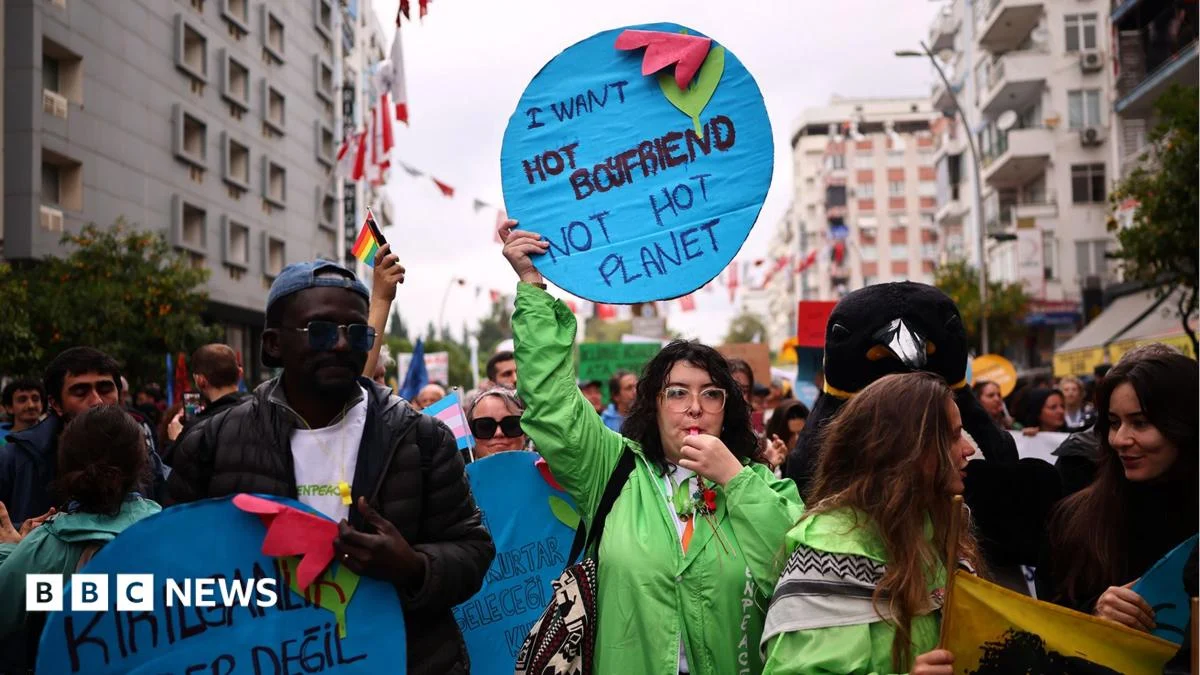
The failure of COP31 reveals a world deeply divided on climate action. According to BBC News, the interests of oil-producing countries, a United States boycott, and a dispute over finance may have torpedoed the latest round of global climate talks.
The breakdown underscores how geopolitical fractures and competing economic priorities continue to stall collective efforts to address rising temperatures. Negotiators entered COP31 hoping to build on previous agreements, but left with the process in disarray.
KEY FACTS
- COP31 climate talks have failed
- Oil-producing countries’ interests played a role
- A United States boycott contributed to the collapse
- A dispute over climate finance was a key factor
- The failure reveals deep global divisions
How Did We Get Here?
International climate negotiations have operated under the United Nations Framework Convention on Climate Change for decades. Each Conference of the Parties, or COP, aims to advance global commitments to reduce emissions and support vulnerable nations. COP31 was expected to address implementation gaps from prior summits, particularly around financial support for developing countries and the phase-down of fossil fuels.
Previous meetings have produced landmark agreements such as the Paris Accord, but progress has been uneven. Tensions between industrialized nations and the Global South over who pays for climate adaptation and loss and damage have intensified. Meanwhile, major oil and gas producers have consistently resisted language targeting fossil fuel phase-outs, arguing for a focus on emissions reduction technologies instead.
What Happens Next?
The collapse of COP31 leaves the international climate process at an impasse. Without a consensus outcome, the formal UN track loses momentum, and pressure shifts to smaller groupings like the G20 or bilateral agreements between major emitters. Some analysts suggest that minilateral clubs — coalitions of willing countries — may become the primary venue for tangible climate action, though these lack the legitimacy and inclusivity of the UN process.
The next COP summit will face the same structural obstacles unless underlying disagreements are resolved. Host countries typically spend years preparing diplomatic groundwork; a failed summit complicates planning for the next one. Observers will watch whether the UN climate secretariat can rebuild trust among parties before the next meeting.
Who Is Affected?
Developing nations, particularly small island states and least-developed countries, bear the brunt of stalled negotiations. They rely on the UN process to secure finance for adaptation, technology transfer, and compensation for climate damages already occurring. When talks fail, promised funding streams remain uncertain, and accountability mechanisms weaken.
Oil-producing economies face a different risk: prolonged uncertainty about global demand and regulation. While they may view the COP31 outcome as protective of their near-term interests, the lack of a clear multilateral framework could lead to fragmented, unpredictable national policies that disrupt markets more severely than a coordinated transition would.
WHAT WE KNOW — AND WHAT WE DON’T
Verified by the source:
- COP31 climate talks have failed
- Interests of oil-producing countries contributed to the failure
- A US boycott was a factor
- A dispute over finance played a role
- The failure reveals a divided world on climate issues
Still unconfirmed:</n
- Which specific oil-producing countries drove opposition
- Details of the US boycott — timing, scope, or official rationale
- Exact nature of the finance dispute — amounts, contributors, or recipients
- Whether any partial agreements were reached before the collapse
- Official statements from the UNFCCC or COP31 presidency
WHY IT MATTERS
The COP31 breakdown matters because the UN climate process remains the only forum where all nations — large and small, rich and poor — negotiate as equals. When it fails, the burden of climate action shifts to ad hoc arrangements that often exclude the most vulnerable. For readers, this means slower global emissions cuts, less predictable climate finance, and a higher likelihood that climate impacts will outpace policy responses.
WHAT TO WATCH
Watch for whether major economies convene alternative climate forums before the next COP, and whether the UN climate secretariat can issue a formal assessment of why COP31 failed. The US boycott and finance dispute are likely to resurface in other international venues.