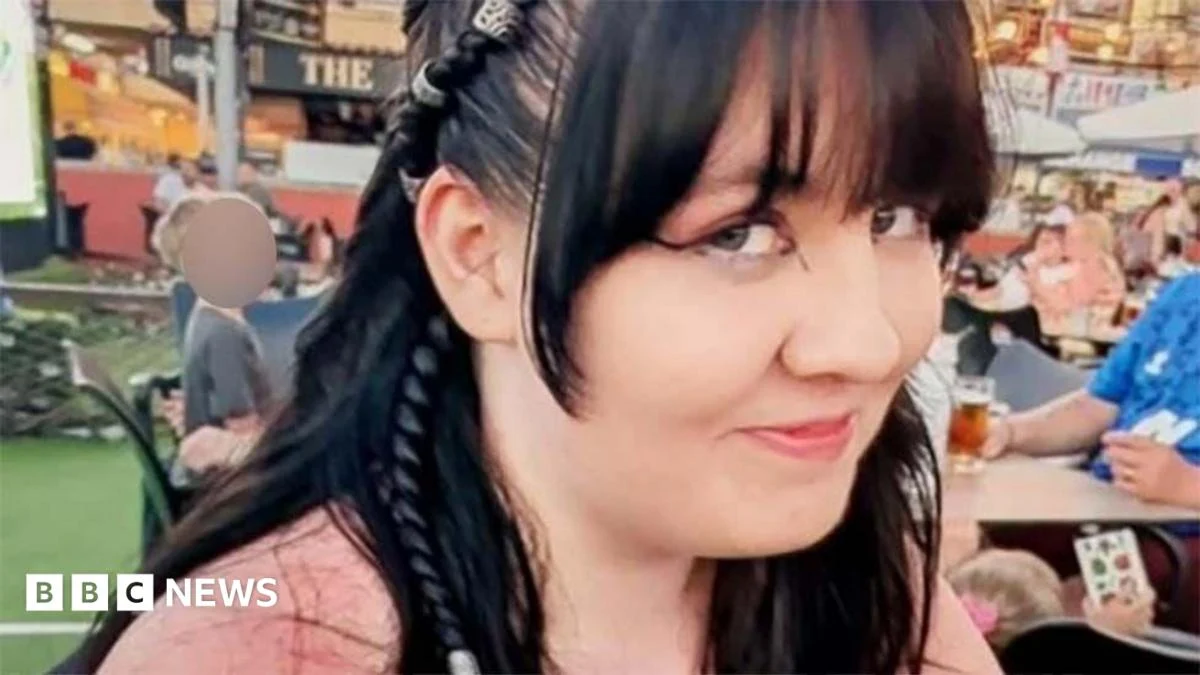
A murder trial has been told that a teenage girl was stabbed multiple times by a 14-year-old boy. The proceedings concern the death of Lilly Jones, whose body was discovered near Dyffryn Park in Blaina two days after she had been reported missing.
The case has drawn significant public attention due to the ages of those involved and the circumstances described in court. As the trial continues, further details are expected to emerge through formal legal channels.
Key Facts
- A murder trial has heard evidence that a teenage girl was stabbed multiple times
- The alleged attacker is described as a 14-year-old boy
- The victim has been named as Lilly Jones
- Her body was found near Dyffryn Park in Blaina
- The discovery occurred two days after she was reported missing
The Story
What the trial has heard so far
The murder trial is the formal judicial process where evidence about the death of Lilly Jones is being presented and tested. In such proceedings, the prosecution outlines its case, witnesses may be called, and the defence has the opportunity to challenge the evidence. The fact that the alleged perpetrator is a 14-year-old boy introduces specific legal considerations regarding youth justice, anonymity protections, and sentencing frameworks that differ from adult proceedings.
Courts typically impose reporting restrictions in cases involving minors, which can limit what details are made public during the trial. The summary provided indicates the core allegation — that Jones was stabbed multiple times — has been put before the court. The location where her body was found, near Dyffryn Park in Blaina, and the timeline of her being reported missing two days prior, form part of the factual background presented.
How missing persons investigations proceed
When a person is reported missing, police typically launch an investigation that may include searches, appeals for public information, and coordination with other agencies. The two-day gap between Jones being reported missing and her body being discovered suggests a search operation was underway. In cases where a body is found and foul play is suspected, the investigation shifts to a homicide inquiry, with forensic examination of the scene, post-mortem examination, and efforts to establish a timeline and identify suspects.
The transition from a missing person case to a murder trial involves multiple stages: arrest, charging, pre-trial hearings, and finally the trial itself. Each stage is governed by strict procedural rules designed to ensure fairness and preserve the integrity of evidence.
Who is affected by this case
Beyond the immediate parties — the family of Lilly Jones, the accused boy and his family — such cases resonate widely within the local community and nationally. Blaina, a small community in Wales, will be particularly affected by the loss of a young resident and the involvement of another minor in such serious allegations. Schools, youth services, and local authorities often become involved in supporting affected families and addressing community concerns.
The youth justice system aims to balance accountability with rehabilitation for offenders under 18. This principle shapes how the trial is conducted, how the defendant is treated, and what sentencing options are available if a conviction is secured.
What We Know — and What We Don’t
Verified by the source:
- A murder trial is underway concerning the death of Lilly Jones
- The trial has been told she was stabbed multiple times
- The alleged attacker is a 14-year-old boy
- Her body was found near Dyffryn Park in Blaina
- She had been reported missing two days before her body was discovered
Still unconfirmed:
- The exact date of the alleged offence or when the trial began
- Whether the defendant has entered a plea
- Any motive or relationship between the victim and accused
- Details of the evidence presented beyond the stabbing allegation
- The current stage of the trial or expected timeline for a verdict
- Whether reporting restrictions apply to the defendant’s identity
Why It Matters
This case highlights the intersection of youth justice, violent crime, and community safety. When a child is alleged to have killed another child, it raises profound questions about prevention, intervention, and the systems designed to protect young people. The outcome of this murder trial will have lasting consequences for all involved and may inform broader discussions about youth violence and safeguarding.
What to Watch
The trial is ongoing; further evidence and legal arguments will be presented before a verdict is reached. Reporting restrictions may limit public disclosure of certain details until the proceedings conclude.