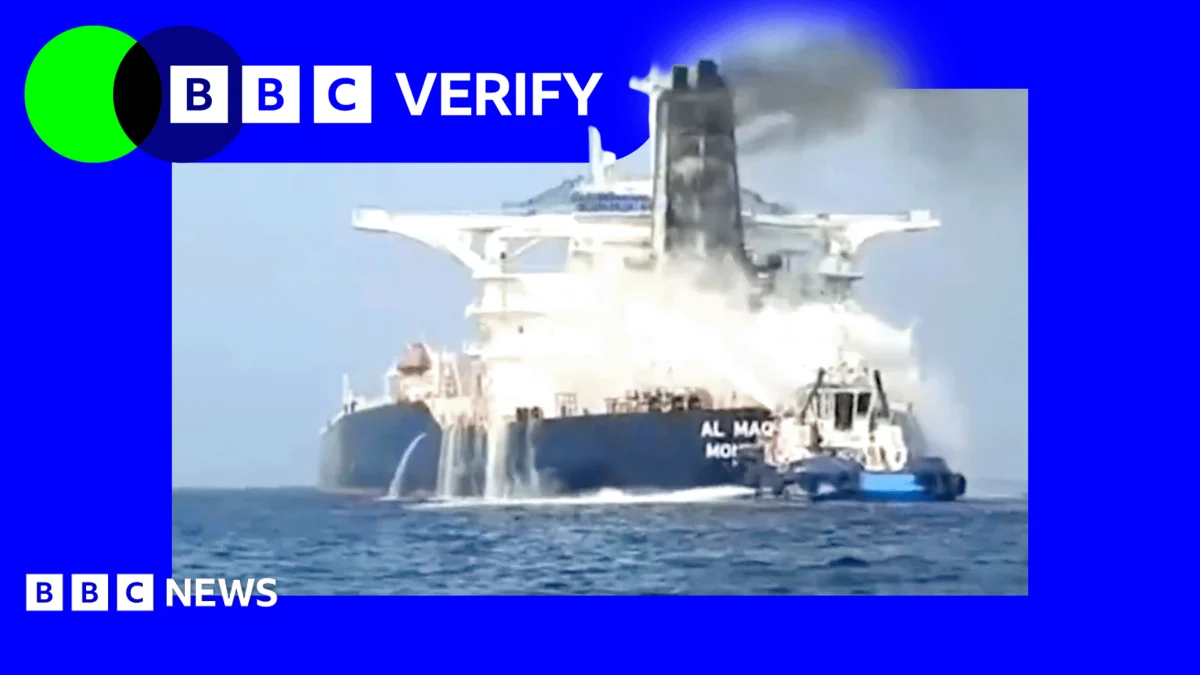
Reports of ship attacks in the Gulf near Hormuz have reached a record high within a single week, according to BBC Verify analysis of data from a UK maritime agency. Twelve vessels were reportedly struck during this period, marking a sharp increase compared to prior weeks. This surge coincides with news that oil exports from the region are slowing, raising concerns among energy markets and shipping operators.
The spike in incidents was identified through analysis conducted by BBC Verify, which examined data provided by a UK maritime agency. The agency did not publicly name the attackers or assign blame, but confirmed the number of affected ships. These developments occur amid ongoing tensions in the region and highlight vulnerabilities in critical maritime trade routes.
KEY FACTS
- Record high in ship attack reports near Hormuz within one week.
- 12 vessels were struck, per BBC Verify analysis.
- Data sourced from a UK maritime agency.
- Oil exports from the area are reported to be slowing.
- Incidents located near the strategic Hormuz strait.
THE STORY
What happens next?
No public response or investigation details have been provided by any authority. It remains unclear whether the affected vessels sustained damage or required evacuation. The identity of those responsible for the attacks has not been disclosed by the UK maritime agency or other official sources.
The situation continues to evolve as energy markets monitor both the security environment and its impact on crude oil flows. Analysts note that sustained disruptions could influence global prices if export volumes decline further. However, no concrete forecasts have yet been issued by government or industry bodies.
Who is affected?
Shipping companies operating in the Persian Gulf face heightened risks following the recent wave of attacks. Maritime insurers may raise premiums or adjust coverage zones in response to increased threat levels around Hormuz. Energy traders are also watching closely, especially given concurrent reports of slowing oil exports.
International navies patrol the region regularly, though specific deployments have not been announced in relation to these latest incidents. Commercial crews aboard affected vessels likely experienced sudden danger while transiting one of the world’s busiest oil transit corridors. No casualties or injuries have been reported so far.
WHAT WE KNOW — AND WHAT WE DON’T
Verified by the source:
- Twelve vessels were struck within a week, according to BBC Verify.
- Analysis was based on data from a UK maritime agency.
- Reports peaked near the Hormuz shipping lane.
- Oil exports from the region are slowing.
Still unconfirmed:
- Cause or perpetrator behind the ship attacks.
- Nature of damage to vessels or crew safety status.
- Exact timing or sequence of individual incidents.
WHY IT MATTERS
Stability in the Gulf directly affects global energy supply chains. Any threat to shipping lanes used by major exporters can ripple through international markets, influencing fuel costs worldwide. For consumers and policymakers alike, securing these sea routes remains vital to maintaining affordable and reliable access to oil.
WHAT TO WATCH
Monitor upcoming statements from maritime authorities and energy ministries for updates on security measures and export volumes. Further attacks or confirmed export halts would signal deeper instability requiring market adjustments.