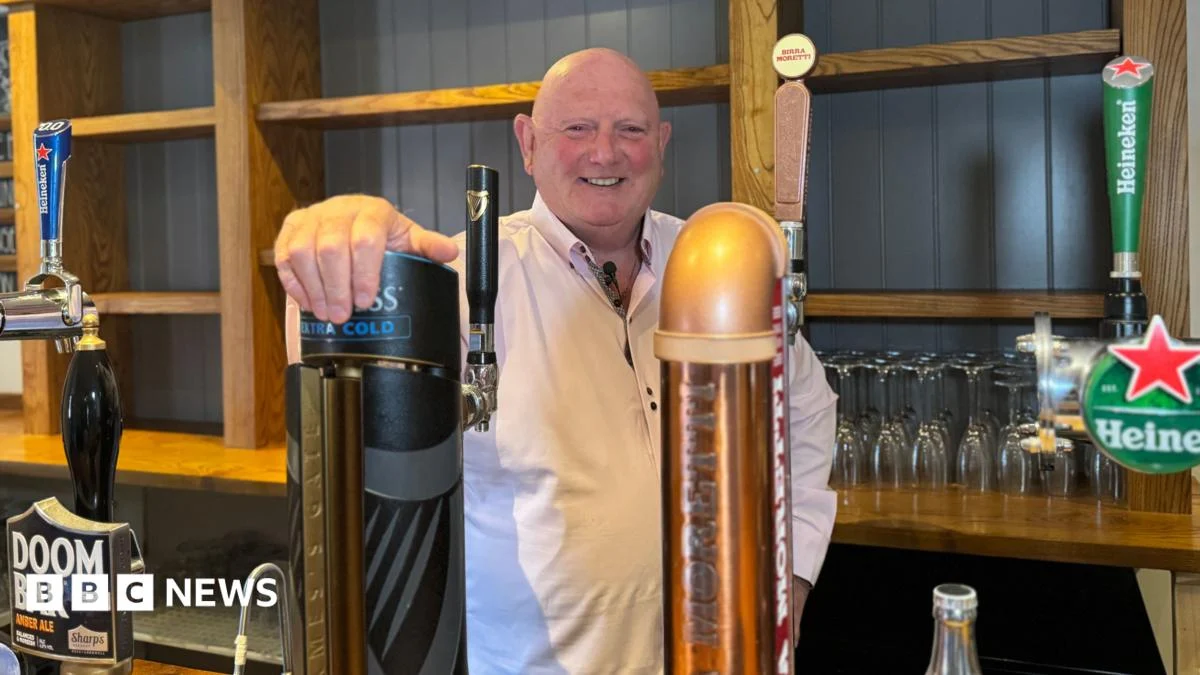
A Lincolnshire landlord has quit, blaming television and cheap booze for struggling pub trade. The departing publican joins a wave of operators citing rising costs and changing habits as pub closures accelerate across the county. Since 2009, Lincolnshire has lost 27% of its pubs and bars, a steep decline that has fuelled renewed pressure on the government to tackle affordable supermarket alcohol sales.
Pub closures have become a familiar sight in towns and villages throughout Lincolnshire. Operators face thin margins, shifting consumer habits, and competition from low-cost alcoholic drinks sold in supermarkets. Some landlords argue that cheap supermarket booze undercuts licensed premises, making it harder to sustain profitable trade. Calls are growing for policy intervention to level the playing field between pubs and off-licences.
Key Facts
- Lincolnshire has lost 27% of its pubs and bars since 2009.
- A landlord blamed TV and cheap booze for quitting the trade.
- Some are calling on the government to act against cheap supermarket booze.
- The issue affects the broader economy-markets sector and local employment.
What happens next?
Policy decisions around alcohol pricing could reshape the competitive landscape for Lincolnshire’s remaining pubs. While no formal government response has been announced, advocates continue pressing for measures that would restrict deeply discounted supermarket alcohol sales. Such moves, if introduced, may influence whether the trend of pub closures slows or accelerates in the coming years.
The 27% figure underscores how many establishments have disappeared in just over a decade. For communities, closed pubs often represent more than lost revenue — they can signal shifts in social routines and local gathering spaces. Whether future government action addresses pricing disparities remains unclear, but the debate over supermarket booze and pub viability shows little sign of fading.
How did we get here?
The roots of Lincolnshire’s pub crisis trace back well before the latest landlord’s exit. Over the past fifteen years, drinkers have increasingly chosen affordable alcohol from supermarkets over pricier rounds at pubs. At the same time, rising operating costs and the pull of home entertainment have made running a pub harder. Together, these pressures have pushed 27% of Lincolnshire’s pubs and bars out of business since 2009, leaving communities to weigh the cost of convenience against the value of local meeting places.
Industry voices argue that cheap supermarket booze distorts fair competition, making it difficult for licensed premises to match prices. Without intervention, operators say closures may continue across the county. Government officials have yet to announce specific measures targeting alcohol pricing, though campaigners hope public pressure will spur change.
What We Know — and What We Don’t
Verified by the source:
- Lincolnshire lost 27% of pubs and bars between 2009 and now.
- A landlord cited TV and cheap booze as reasons for quitting.
- Some are calling on the government to act against cheap supermarket booze.
Still unconfirmed:
- No named landlord, pub, or location has been identified.
- No official government response or policy proposal has been confirmed.
- The total number of remaining pubs in Lincolnshire is unknown.
- Details of who is calling for government action have not been specified.
- Exact dates and timeline of closures are not provided.
This story reflects a wider trend affecting hospitality businesses across England, where rising costs and changing consumer behaviour have strained profitability. Explore more on economy and markets and market dynamics. If supermarket alcohol pricing continues unchecked, the gap between pub and home drinking may widen further, accelerating closures in communities already losing their local gathering spots.
Meanwhile, campaigners say policy clarity is overdue. With no timetable for government action, stakeholders face uncertainty over whether future regulations targeting cheap supermarket booze will arrive before more Lincolnshire pubs shut their doors for good. Watch for potential policy announcements and further landlord departures tied to pub closures and competition from low-cost alcohol.