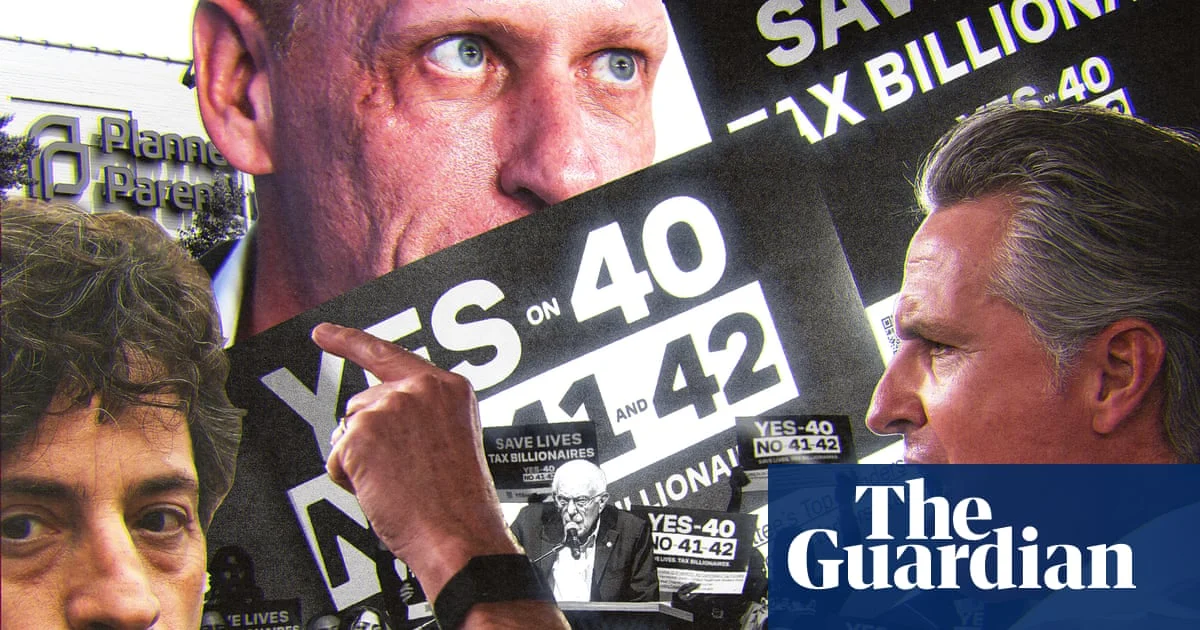
Tech billionaires are spending more than $1 million per day to oppose a proposed California wealth tax on billionaires, according to the most recent state financial disclosures. They have raised more than $340 million to defeat the measure, known as a one-time 5% wealth tax that would fund healthcare and education.
With the election less than a month away, campaign spending has accelerated. During the first 19 days of September alone, the opposition campaign spent at least $21.2 million fighting the California wealth tax, according to state financial records. Voters are receiving robotexts, mailers, and advertisements warning that a tax on billionaires would “expose all Californians to higher taxes.”
Key Facts
- Tech billionaires have raised more than $340m to defeat a one-time 5% wealth tax.
- Opposition campaign spending reached at least $21.2m during the first 19 days of September.
- That pace exceeds $1m per day to defeat the measure.
- The proposed tax would apply to billionaires in California.
- Revenue would reportedly fund healthcare and education.
How did we get here?
The California wealth tax
proposal surfaced as lawmakers sought new revenue streams to address longstanding deficits in public services. Billionaire-backed opposition groups formed quickly after the measure gained traction, raising hundreds of millions to fund advertisements, mailers, and digital outreach warning voters of potential broader tax consequences. State financial disclosures reveal the intensity of spending has scaled significantly as the election nears, with daily outlays surpassing $1 million during key September weeks. These filings show the campaign’s strategy relies heavily on messaging that frames the tax as a risk to all residents, not just the ultra-wealthy. The influx of outside money has drawn scrutiny from campaign finance monitors and advocacy groups tracking influence spending.
Who is affected?
Under the proposal, billionaires residing in or holding assets in California would face a one-time 5% charge on their net worth. Supporters argue the revenue would directly support California wealth tax goals like expanding access to healthcare and improving school funding. Opponents, including the billionaires funding the defeat effort, claim the tax could drive wealthy individuals out of state and harm economic growth. State residents are also affected indirectly through the flood of political advertising and outreach materials tied to the campaign. Education and healthcare institutions, along with advocacy groups, are watching closely as they could see changes in funding depending on the outcome.
What happens next?
Election day is less than a month away, and campaign spending shows no signs of slowing. Both sides are expected to continue heavy advertising through traditional and digital channels. Final campaign finance reports are due after the vote and may provide a full accounting of total spending. Legal challenges or recounts could follow if results are close, though none have been reported yet. Advocacy groups say they will monitor compliance with disclosure rules throughout the final stretch of the race.
What We Know — and What We Don’t
Verified by the source:
- The opposition campaign has spent over $1 million per day during parts of September.
- Total fundraising for the defeat campaign exceeds $340 million.
- State financial disclosures reflect these spending and fundraising figures.
Still unconfirmed:
- The final names of billionaire donors contributing the funds.
- Exact projected revenue from the proposed tax.
- Specific legal wording of the final ballot measure text.
Why it matters
Wealth taxes are rare in the U.S., and California’s proposal tests whether voters will approve new levies targeting the ultra-rich. The outcome may influence similar efforts in other states seeking to expand public funding through targeted taxation. High-profile opposition spending also raises questions about the role of concentrated wealth in shaping ballot initiatives, a pattern seen in recent national elections.
What To Watch
Final campaign finance reports due after the election could confirm total spending. Advocates say they will track compliance and any post-election legal challenges closely.