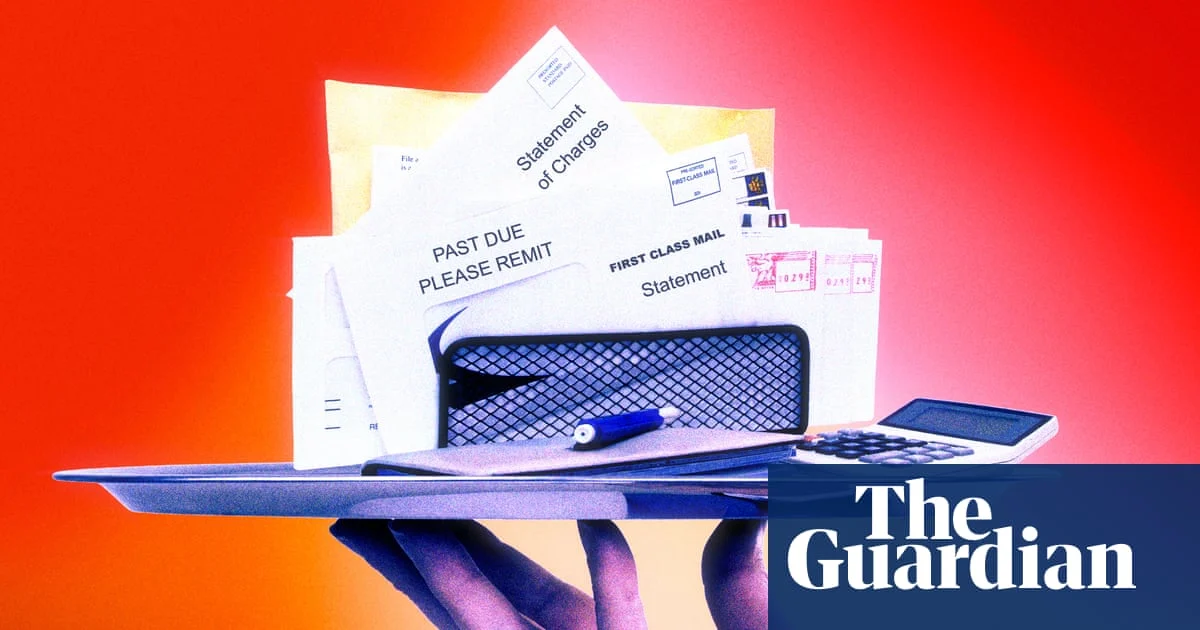
For restaurants, pandemic loans were meant to be a relief. Now they are proving to be a financial disaster of their own.
The federal government offered low-interest Economic Injury Disaster Loans (EIDLs) to keep eateries afloat during the pandemic. But for many, including long-time establishments, recovery never returned to pre-pandemic levels, leaving debt untouched and repayment burdens heavy.
Key Facts
- Restaurants received low-interest pandemic loans during the Covid-19 crisis.
- Loans included a 30-month deferment period and a 3.75% interest rate.
- Businesses struggled to repay as post-pandemic revenue declined.
- A Miami restaurant took a $370,000 EIDL in early 2021.
- The owner expected repayment once business returned to normal.
How Did We Get Here?
Almost 20 years ago, an Indian restaurant in Miami began serving vegetarian curries and samosas near Florida International University. When the pandemic devastated business, the owner took out a $370,000 EIDL from the federal government in early 2021.
At the time, the loan provided a desperately needed lifeline. With a 30-year term, 3.75% interest rate, and a 30-month deferment, repayment seemed manageable once business returned to normal. But recovery never came.
What Happens Next?
The EIDL deferment period has largely expired. For restaurants still below pre-pandemic revenue, the shift from deferred payments to active repayment creates immediate cash flow pressure. Many may miss payments, triggering delinquency, collections, or potential default.
Without additional relief or restructuring options, more restaurants could face closure due to pandemic loans that were meant to save them. The situation underscores how fragile small business recovery remains long after emergency aid ends.
Verified by the source:
- Pandemic loans were low-interest and intended to sustain restaurants during the pandemic.
- The loans carried a 30-month deferment period.
- A specific restaurant borrowed $370,000 in early 2021.
- The interest rate was 3.75%.
- Businesses struggled to recover enough to begin repayment.
Still unconfirmed:
- Total number of restaurants facing repayment difficulties nationwide.
- Whether additional federal relief programs will be introduced.
- Exact date the deferment period ends industry-wide.
- Long-term impact on employment and community dining in affected areas.
This story matters because it reveals how emergency financial support, while essential during the pandemic, can become a lingering burden when economic recovery stalls — affecting small business owners, employees, and local communities that depend on neighborhood restaurants.
What to watch is whether the federal government introduces new relief or restructuring programs for EIDL recipients, and how many restaurants default once the deferment period fully ends.
Economy and markets coverage examines how small businesses adapt to shifting post-pandemic conditions, while health and science reports track the ongoing economic fallout from the pandemic.