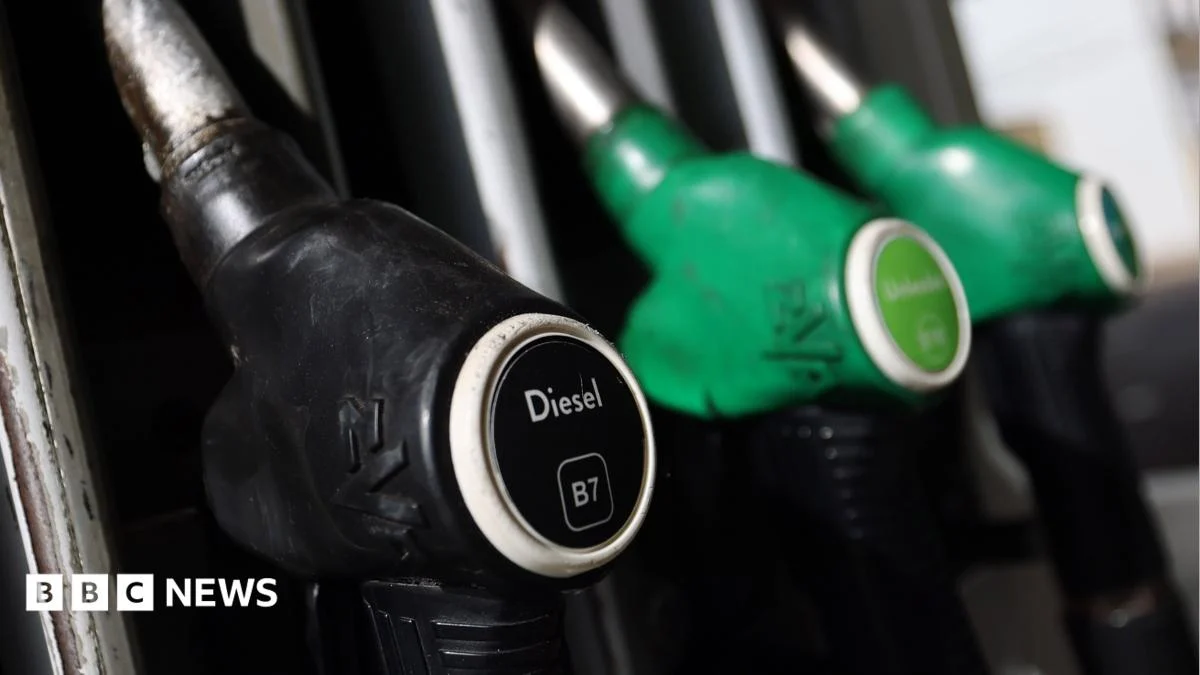
Diesel has recently topped £2 per litre, according to BBC News, as fuel costs squeeze margins for some businesses across the UK economy. The rise in fuel prices adds fresh pressure on companies already facing higher operating expenses this year.
Concerns are mounting that an existing duty freeze will not go far enough to offset the impact of these rising fuel costs, which affect transport, logistics, and agriculture sectors most directly.
Key Facts
- Diesel recently exceeded £2 per litre, per BBC News.
- Some businesses are seeing squeezed profit margins due to rising fuel costs.
- A duty freeze is anticipated but may not provide sufficient relief, BBC News reports.
The Story So Far
How did we get here?
Fuel prices have climbed steadily over the past year due to global supply constraints and post-pandemic demand recovery. Diesel, a critical input for freight and farming operations, has crossed the £2-per-litre threshold for the first time in several years. According to BBC News, this level represents a significant jump from historical norms, catching businesses off guard.
The UK government previously froze fuel duty to cushion households and firms from soaring costs. However, with inflation running high and energy markets volatile, analysts say the freeze alone will not cover the full extent of losses now being reported by small transporters and independent retailers dependent on road haulage.
Who is affected?
The brunt of rising fuel costs falls on sectors reliant on road transport — including logistics, construction supply chains, and agriculture. Small businesses lacking hedging tools or bulk-buying power feel the pinch hardest when diesel crosses major price points like £2 per litre. BBC News notes that margin compression is already visible among regional distributors and rural service providers.
While larger corporations often pass through cost increases to customers, smaller operators cannot absorb volatility indefinitely. Industry groups warn that sustained high pump prices could reduce investment, cut jobs, or force route consolidations that disrupt local delivery networks.
What happens next?
Policymakers face growing calls to extend or deepen the current fuel duty freeze beyond its planned duration. Critics argue that without further intervention, recurring spikes in fuel costs will continue eroding corporate profits and consumer purchasing power. BBC News highlights uncertainty over whether upcoming fiscal decisions will include targeted aid for hardest-hit industries.
Market watchers expect near-term volatility as crude oil traders react to geopolitical tensions and refining outages. If global benchmarks remain elevated, another wave of margin pressure could prompt renewed appeals for temporary tax cuts or direct subsidies aimed at stabilizing pump prices.
What We Know — and What We Don’t
Verified by the source:
- Diesel recently exceeded £2 per litre, according to BBC News.
- Fuel costs are squeezing margins for some businesses, per BBC News.
- Authorities are considering a duty freeze, but concerns exist that it won’t fully ease financial strain, BBC News states.
Still unconfirmed:
- No specific timeline was given for policy action or implementation of a duty freeze.
- Exact sectors or number of affected businesses were not identified by BBC News.
- Precise price figures beyond the £2-per-litre milestone were omitted by the source.
Why It Matters
Rising fuel costs ripple through every stage of commerce, influencing everything from grocery shelf prices to factory output schedules. For everyday consumers, tighter margins at transport firms can translate into more expensive goods and slower service reliability, especially in rural areas where alternatives to road freight are limited.
What To Watch
Future updates from the Treasury regarding fuel duty policy will signal whether additional relief measures are forthcoming to stabilize prices for businesses.
Fuel costs remain a key indicator of broader economic stress, with developments closely tied to [economy and markets](/category/economy-markets) and [war and geopolitics](/category/war-geopolitics) trends.