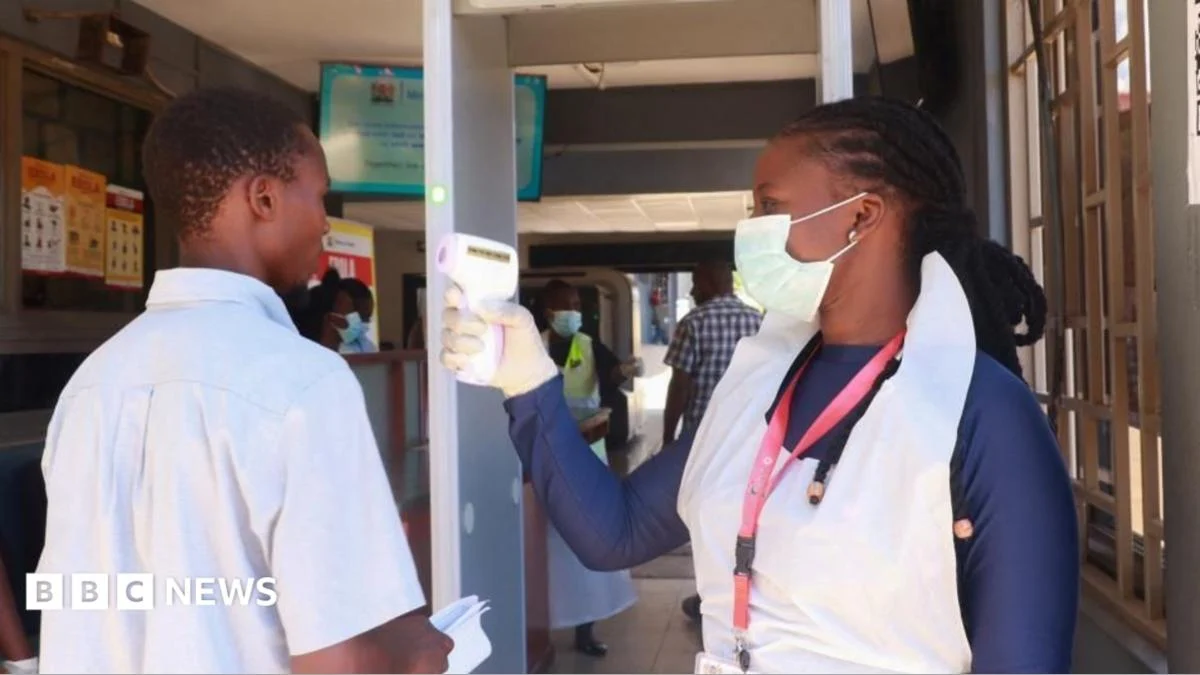
Lede
A 65-year-old woman has become the second patient to die of Ebola in Kenya, according to BBC News. She was a close family member of the first Ebola victim in the country, a man who had traveled from the Democratic Republic of Congo. The confirmed deaths highlight the ongoing risk of Ebola transmission in Kenya, particularly among families exposed to infected individuals. Health officials are tracking contacts and monitoring symptoms to prevent further spread. Ebola in Kenya is now under heightened surveillance as medical teams work to contain the outbreak.
The second death underscores how quickly the virus can move within communities when it is introduced from regions with active outbreaks. Without prompt containment measures, the risk of local transmission increases, especially in households where caregiving occurs. Ebola in Kenya now joins a list of regional health challenges tied to cross-border movement and incomplete vaccination coverage.
Key Facts
- 65-year-old woman died of Ebola in Kenya.
- She was a close family member of the first Ebola victim.
- The first patient had traveled from the Democratic Republic of Congo.
- This is the second confirmed Ebola death in Kenya.
- BBC News reported the deaths.
How Did We Get Here?
Ebola in Kenya was reintroduced through travel from the Democratic Republic of Congo, where the virus continues to circulate in conflict-affected regions. The first patient arrived after exposure in DRC and was diagnosed upon arrival, prompting immediate isolation protocols. Contact tracing began to identify anyone who may have interacted with the patient before symptoms were recognized.
Close family members are typically the first contacts exposed during home care, which explains how a relative contracted and later died from Ebola in Kenya. In low-resource settings, delayed detection and informal caregiving increase the chance of transmission. Health systems must act quickly to trace and monitor these contacts to stop chains of infection.
The World Health Organization maintains that early detection, rapid response teams, and community engagement are essential to containing Ebola in Kenya and preventing wider regional spread. Surveillance along borders with the DRC remains active to intercept new cases.
What Happens Next?
Following the second Ebola death in Kenya, public health authorities are expected to expand active surveillance in affected neighborhoods and continue monitoring exposed individuals. Contact tracers are likely to follow up daily with those who had known exposure to confirm they remain symptom-free or seek treatment immediately if illness develops.
Vaccination campaigns using approved Ebola vaccines may be deployed if transmission is suspected beyond the immediate family circle. International partners, including WHO and Médecins Sans Frontières, often assist with logistics and lab confirmation to ensure Ebola in Kenya is contained before it spreads to urban centers.
Communication efforts targeting local communities will likely emphasize safe burial practices and early reporting of symptoms. Without public cooperation, even a small cluster of cases can grow into a larger outbreak requiring travel restrictions or border closures.
What We Know — and What We Don’t
Verified by the source:
- A 65-year-old woman died of Ebola in Kenya.
- She was a close family member of the first Ebola victim.
- The first patient had traveled from the Democratic Republic of Congo.
- This is the second confirmed Ebola death in Kenya.
- BBC News provided the information.
Still unconfirmed:
- The exact date and location of the second death
- The number of contacts currently under observation
- Whether additional suspected cases have been identified
- Which treatment center managed the patients
- Whether a vaccine campaign will begin
Why It Matters
Ebola in Kenya represents more than a domestic health issue; it reflects the broader instability in the Great Lakes region where outbreaks persist despite international response efforts. Neighboring countries and global institutions watch closely because unchecked viral spread can disrupt travel, trade, and diplomatic ties. For communities near the DRC border, fear and misinformation can complicate control measures as much as the virus itself.
What To Watch
Health authorities have not yet commented publicly on whether the outbreak has been fully contained. Future updates from Kenyan health officials or the WHO will clarify the current scope of Ebola in Kenya and whether additional cases emerge.
Category: War & Geopolitics | Health & Science