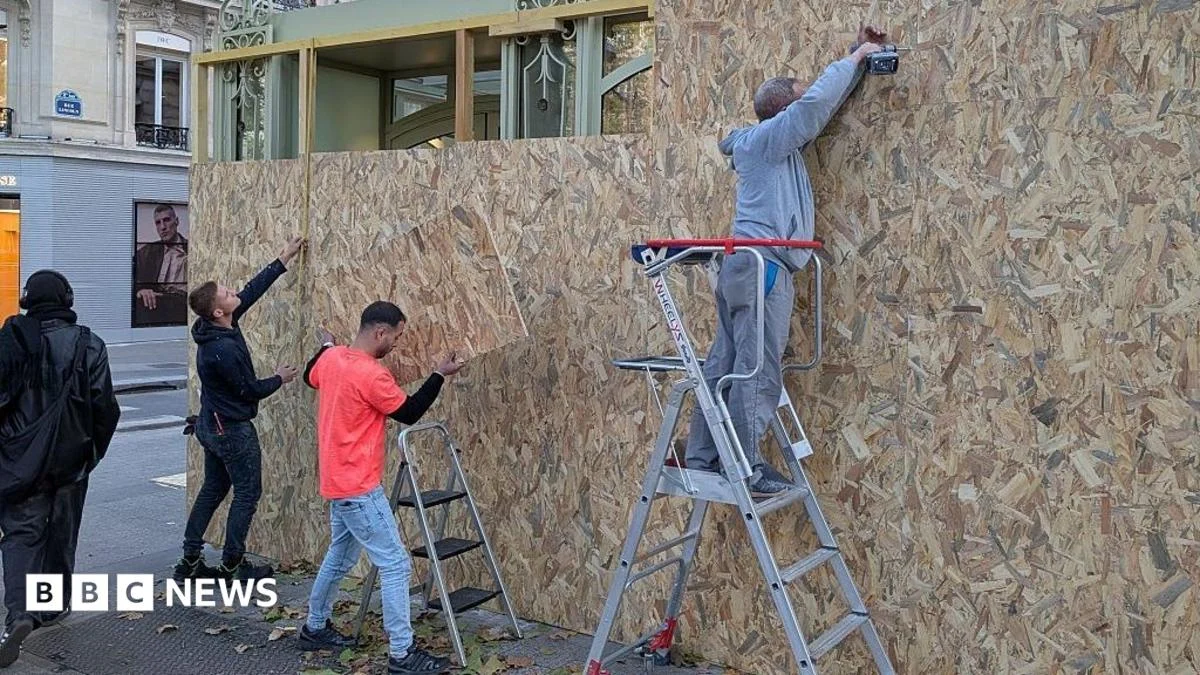
French authorities are bracing for a major day of protest following a week of nationwide riots, deploying over 70,000 police officers to prevent further unrest. The government is reportedly concerned that demonstrators may attempt to defy existing restrictions on gatherings and public assemblies.
This heightened security response comes as the country seeks to restore order after a wave of civil unrest that disrupted communities across multiple regions. Officials have not specified the exact nature of the protest or which groups are organizing it, but the scale of police deployment suggests a broad anticipation of tension.
Key Facts
- More than 70,000 police officers are being deployed.
- The deployment is linked to a planned day of protest.
- Protests follow a week of nationwide riots.
- There are fears protesters may defy demonstration restrictions.
What happens next?
The upcoming protest day represents a critical test of public order and state authority. With such a large contingent of law enforcement personnel already mobilized, authorities appear intent on maintaining tight control over public space. The situation will likely hinge on whether demonstrators adhere to officially sanctioned routes and permit requirements, or attempt to gather spontaneously in defiance of restrictions.
Governments typically respond to unrest with a mix of dialogue, reform, and enforcement. In France’s case, the emphasis seems to be on enforcement, given the scale of the police presence. Still, the effectiveness of this approach depends heavily on real-time developments, including crowd behavior, potential confrontations, and how well emergency services can manage localized incidents.
Who is affected?
A range of stakeholders stands to be impacted by the unfolding events. Citizens planning to participate in or observe the protests face uncertainty over where and how they can legally assemble. Law enforcement agencies are under significant pressure to maintain safety and legality without escalating tensions. Business owners and residents in urban centers may experience disruptions depending on the route and size of the demonstration.
Additionally, political leaders must navigate public sentiment carefully, balancing calls for accountability and reform with the need for law and order. International observers may also take note, as France’s handling of post-riot demonstrations could influence perceptions of domestic stability and governance.
What We Know — and What We Don’t
Verified by the source:
- More than 70,000 police officers are being deployed.
- The deployment precedes a planned day of protest.
- Authorities fear protesters may defy restrictions on demonstrations.
- The protests follow a week of nationwide riots.
Still unconfirmed:
- The specific cause or organizers of the planned protests.
- The exact locations where protests are expected.
- Details about the earlier riots, including their trigger or extent.
- Whether any formal permits have been approved or denied.
Why It Matters
The outcome of the planned protest day could shape public trust in government institutions and influence future civic engagement. How authorities manage crowd control and de-escalation will signal their capacity to uphold order while respecting democratic expression. This dynamic plays out against a backdrop of rising concerns about social cohesion and state responsiveness in many democracies.
What To Watch
All eyes will be on whether the protests remain peaceful and compliant with restrictions, and how law enforcement adapts throughout the day. Further updates from officials or on-the-ground reporting may clarify intentions and reactions from both sides.