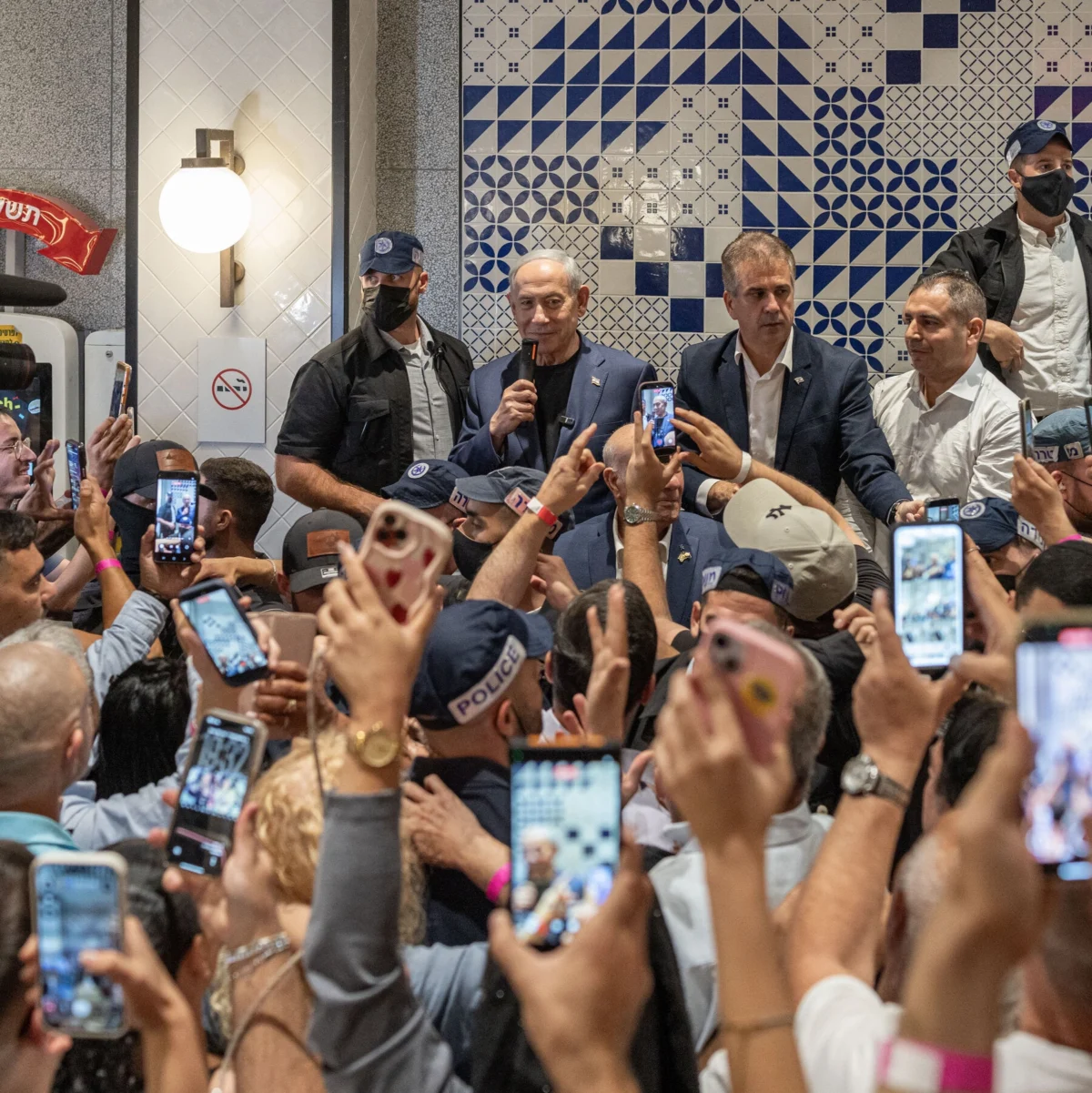
Netanyahu reinvented his public image as a hawkish leader ahead of upcoming elections, following significant damage to his reputation caused by the October 7 attacks. Once portrayed as a strong figure on national security, the Israeli prime minister now seeks to redefine himself in the eyes of voters.
The October 7 attacks marked a turning point in how Netanyahu is perceived domestically, undermining his long-standing branding as a protector of national security. In response, he has shifted toward a more aggressive rhetorical stance, attempting to regain voter confidence by projecting renewed strength and resolve.
Key Facts
- The October 7 attacks marred Netanyahu’s image as a security leader.
- He is attempting to sell Israelis on a new, hawkish version of himself.
- Elections are approaching amid this rebranding effort.
What Happened After October 7?
The October 7 attacks severely undermined Netanyahu’s image as a security figure in Israel. In the aftermath, public trust in his leadership was questioned, especially among those who had previously supported him based on his tough-on-security platform. To counter this narrative, Netanyahu has adopted a more hawkish tone, emphasizing military readiness and decisive action. This shift aims to restore confidence in his ability to safeguard the country.
By repositioning himself as a resolute leader willing to take firm measures, Netanyahu hopes to appeal to voters concerned about safety and stability. His campaign strategy may include references to past conflicts and future deterrence plans, reinforcing his claim as someone capable of defending Israel under pressure.
Who Is Affected by This Rebranding Effort?
Israeli citizens, particularly undecided voters, are directly affected by Netanyahu’s attempt to reinvent his image. These voters may weigh his current messaging against their experiences during and after the October 7 attacks. Additionally, opposition parties could benefit or suffer depending on how effectively they respond to his repositioning.
International observers and diplomatic partners are also watching closely, since changes in Israeli leadership or policy direction can influence regional dynamics. How voters interpret this reinvention will shape not only election outcomes but potentially broader geopolitical developments.
What Happens Next?
As elections approach, Netanyahu’s success in selling his hawkish persona remains uncertain. Polls and public reactions will indicate whether voters accept this transformation or remain skeptical of its authenticity. Political analysts suggest that economic conditions and ongoing security concerns may play larger roles than rhetoric alone.
If Netanyahu fails to convince voters, coalition negotiations or electoral consequences might follow. Conversely, a strong showing could solidify his return to power, allowing him to continue shaping both domestic and foreign policy directions.
What We Know — And What We Don’t
Verified by the source:
- The October 7 attacks damaged Netanyahu’s image as a security leader.
- He is promoting a new hawkish identity to voters.
- Elections are a key context for this shift.
Still unconfirmed:
- Specific details about Netanyahu’s campaign messaging strategies.
- Public polling data measuring voter reactions to his rebranding.
- Exact timing of the upcoming elections.
Why It Matters
This story illustrates how modern political leaders adapt their public personas in response to crises. Netanyahu’s attempt to rebuild his image highlights the importance of perception in democratic processes, where voter sentiment often determines political survival. Understanding these shifts helps audiences grasp how global leaders navigate post-crisis environments while maintaining legitimacy.
What to Watch
Voter turnout, polling trends, and Netanyahu’s performance in debates or public appearances will offer clues about whether this rebranding succeeds in swaying electoral outcomes.