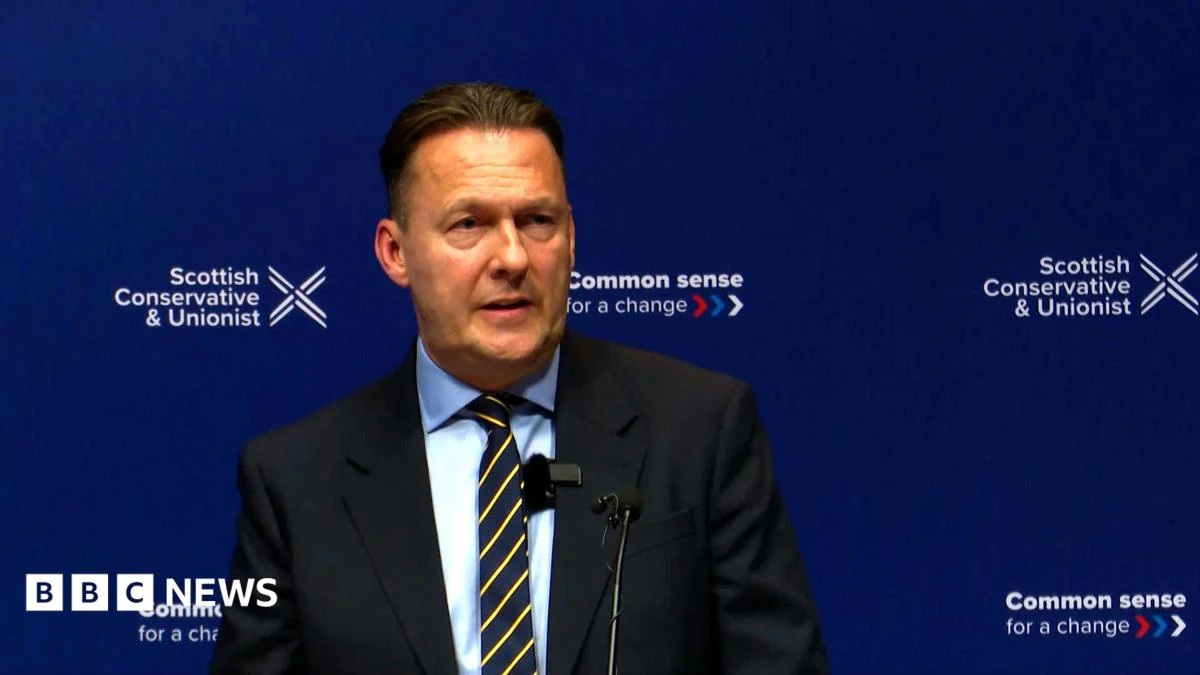
Scottish Tory leader Russell Findlay criticized the SNP’s continued push for independence during a speech at the Conservative Party’s UK conference. He argued that breaking up the United Kingdom would amount to a “gift to our enemies,” adding that the SNP’s “obsession” with separation is dangerously irresponsible. The remarks reflect ongoing political tensions surrounding Scottish independence, which continues to divide opinion across the UK.
Findlay’s comments come amid a resurgent debate over Scotland’s constitutional future. The SNP has long campaigned for a second independence referendum, a move opposed by Westminster. Meanwhile, the Conservative Party maintains its stance against allowing such a vote, emphasizing the importance of preserving the Union. The issue remains politically charged and closely watched within UK politics and international diplomacy.
Key Facts
- Russell Findlay spoke at the Conservative Party’s UK conference.
- He called the SNP’s independence efforts “dangerously irresponsible.”
- He said breaking up the UK would be “a gift to our enemies.”
- He accused the SNP of having an “obsession” with independence.
The Story
What Did Findlay Say About the SNP?
Russell Findlay, the leader of the Scottish Conservatives, addressed attendees at the Conservative Party’s UK conference. During his speech, he directly criticized the Scottish National Party (SNP), labeling its focus on Scottish independence as dangerously irresponsible. He warned that dissolving the United Kingdom could benefit foreign adversaries, though he did not name specific nations. Findlay emphasized unity and national security as core values under threat from separatist movements.
His comments underscore deep divisions within the UK over Scotland’s future. While the SNP insists on holding another referendum, the UK government—particularly under Conservative leadership—has consistently rejected this demand. These tensions have shaped domestic politics for years and remain a defining issue in Anglo-Scottish relations.
How Does This Affect the Independence Debate?
The SNP continues advocating for Scottish independence, citing Brexit as a reason for renewed calls to leave the Union. However, Unionist parties argue that independence would weaken Scotland economically and diplomatically. Findlay’s statement aligns with broader Conservative messaging that frames independence as destabilizing. His speech likely reinforces party unity behind opposing any new referendum.
Public opinion on independence remains split in Scotland, with polls showing modest support but no clear majority favoring immediate separation. Any formal move toward a second vote would require approval from the UK Parliament, which currently shows little appetite for permitting one.
What We Know — and What We Don’t
Verified by the source:
- Russell Findlay criticized the SNP at the Conservative Party’s UK conference.
- He described the SNP’s independence agenda as dangerously irresponsible.
- He claimed breaking up the UK would be a gift to enemies.
Still unconfirmed:
- No official response from the SNP or Nicola Sturgeon was included in the source.
- Specific audience size or exact timing of the speech was not provided.
- Names of other speakers or reactions from Conservative colleagues were not detailed.
- Direct quotes beyond those paraphrased above were not verified.
Why It Matters
The debate over Scottish independence remains central to UK politics. As Brexit reshapes economic ties and diplomatic relationships, questions about sovereignty and self-determination persist. Statements like Findlay’s signal how mainstream parties frame these issues—often through lenses of security and stability rather than pure autonomy. Understanding this context helps readers grasp why constitutional matters endure as defining features of British democracy.
What To Watch
Future parliamentary decisions regarding a second independence referendum may hinge on shifting public sentiment and electoral outcomes. Official responses from the SNP or updated polling data could further shape the trajectory of this ongoing political tension.
This article reflects only the information available in the BBC News summary and headline; further developments should be confirmed through additional reporting.