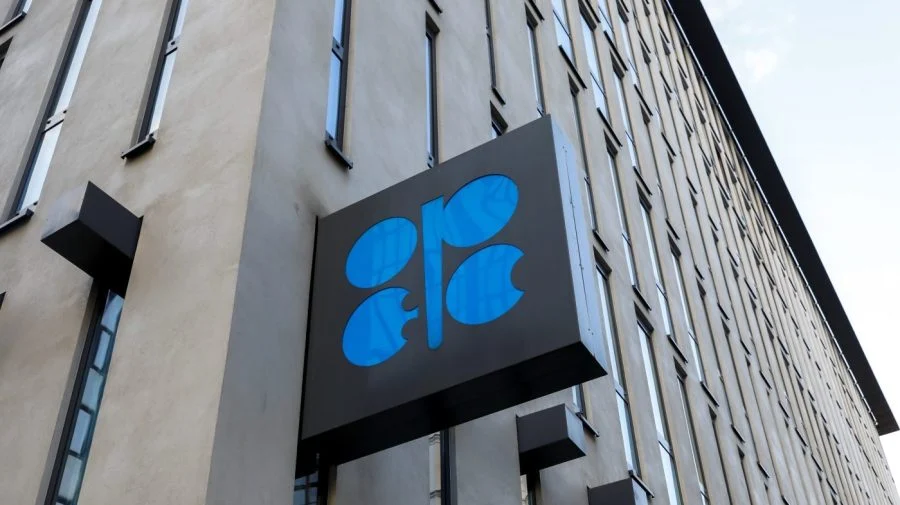
OPEC+ countries agreed Sunday to maintain baseline oil production levels for November, keeping output steady as global fuel prices stay elevated amid the Iran war.
The decision continues a policy set in September, signaling coordinated restraint among key exporters.
KEY FACTS
- Seven OPEC+ nations agreed to maintain oil production levels for November.
- Agreement builds on production levels set in September.
- Member countries include Russia, Saudi Arabia, and Iraq.
- Decision comes as fuel prices remain high due to Iran war impacts.
- OPEC+ confirmed continuation of baseline output strategy.
What Happens Next?
The OPEC+ decision ensures continued consistency in global oil markets just as demand remains strong and supply chains face pressure from geopolitical tensions. By holding production flat, member nations aim to stabilize pricing without triggering further spikes that could strain economies reliant on energy imports. Markets watch closely for any signs of deviation from this pact, which could signal shifting dynamics in response to evolving conflicts or economic conditions worldwide. Observers note that adherence to these baselines supports predictable energy flows across borders.
Who Is Affected?
Consumers globally feel the impact of sustained high fuel costs linked to current oil production policies. Importing nations bear heavier import bills while domestic refiners adjust margins accordingly. Industries dependent on logistics and transport experience margin compression due to elevated energy inputs. Meanwhile, exporting economies benefit from robust revenue streams that help fund public spending priorities despite broader uncertainties. Investors track compliance closely since deviations may prompt rapid repricing in futures markets.
How Did We Get Here?
In recent months, energy markets have experienced volatility driven by disruptions in key regions affecting crude supplies. As tensions escalated earlier this year, several large producers moved together under OPEC+ coordination to manage output strategically rather than compete individually. Their joint approach helped prevent sharp price swings even when unexpected events occurred throughout supply chains globally over time.
What We Know — and What We Don’t
Verified by the source:
- OPEC+ includes Algeria, Iraq, Kazakhstan, Kuwait, Oman, Russia, and Saudi Arabia.
- Production levels will be maintained at September-agreed baselines through November.
- Fuel prices remain elevated due to the Iran war context.
Still unconfirmed:
- No individual country production quotas were disclosed beyond maintaining baselines.
- No timeline provided for future meetings or revisions to policy.
- No statements or comments from participating officials were included.
Why It Matters
Stable oil output from major producers influences inflation rates, transportation costs, and industrial activity worldwide. When large exporters coordinate policy, small changes can ripple through economies dependent on energy trade flows.
What To Watch
Market participants will monitor December meetings for signals about whether production caps shift. Any indication of increased output or renewed cuts could reshape global pricing expectations rapidly.