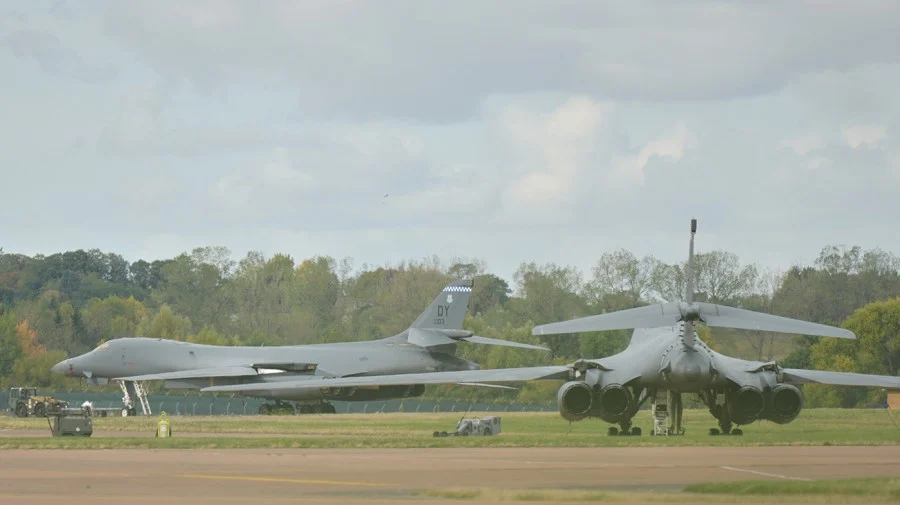
The Pentagon has withdrawn all 12 B-1 bombers from the UK’s RAF Fairford air base, relocating them to their home stations in the United States. This action follows an alleged terror threat targeting a US-operated post in England. The move underscores heightened security concerns affecting US military operations abroad.
While operational security prevented real-time confirmation of asset movements, the Pentagon acknowledged the redeployment after the units returned to the US. The decision comes weeks after the initial threat was reported, prompting precautionary measures to protect personnel and equipment.
Key Facts
- 12 B-1 bombers relocated from RAF Fairford to US bases
- Withdrawal occurred following an alleged terror threat against a US post in England
- Pentagon cited operational security for not confirming movements in real time
- The threat prompted precautionary redeployment of the aircraft
- All bombers returned to their home stations in the United States
Background: Why Bombers Deploy Overseas
The B-1B Lancer is a long-range strategic bomber used by the US Air Force for global strike missions. Deployments to bases like RAF Fairford allow rapid response capabilities across Europe and the Middle East. The base has historically hosted rotational bomber missions as part of NATO reassurance efforts and joint training exercises. Such deployments signal deterrence and readiness to allies and potential adversaries alike.
What Happens Next?
Following the withdrawal, the Pentagon has not indicated whether or when B-1 bombers will resume operations at RAF Fairford. The unspecified nature of the alleged threat means further security assessments may influence future deployment schedules. US European Command has yet to comment on additional protective measures. Monitoring will continue as intelligence updates become available.
What We Know — and What We Don’t
Verified by the source:
- Pentagon pulled all 12 B-1 bombers from RAF Fairford
- Aircraft were moved to home stations in the United States
- The withdrawal followed an alleged terror threat against a US-operated post in England
- Operational security prevented real-time confirmation of asset movements
Still unconfirmed:
- Details of the specific alleged terror threat
- Timeline and exact dates of the bomber movements
- Identity of the US-operated post reportedly targeted
- Current status of ongoing security investigations
- Future plans for B-1 bomber redeployment to the UK
Why It Matters
US military deployments abroad serve both tactical and diplomatic purposes. Temporarily withdrawing aircraft due to security threats can impact strategic signaling and alliance commitments. These movements often reflect broader shifts in global security posture.
What To Watch
Further statements from Pentagon leadership may clarify whether the bombers will return to RAF Fairford or remain stateside indefinitely.