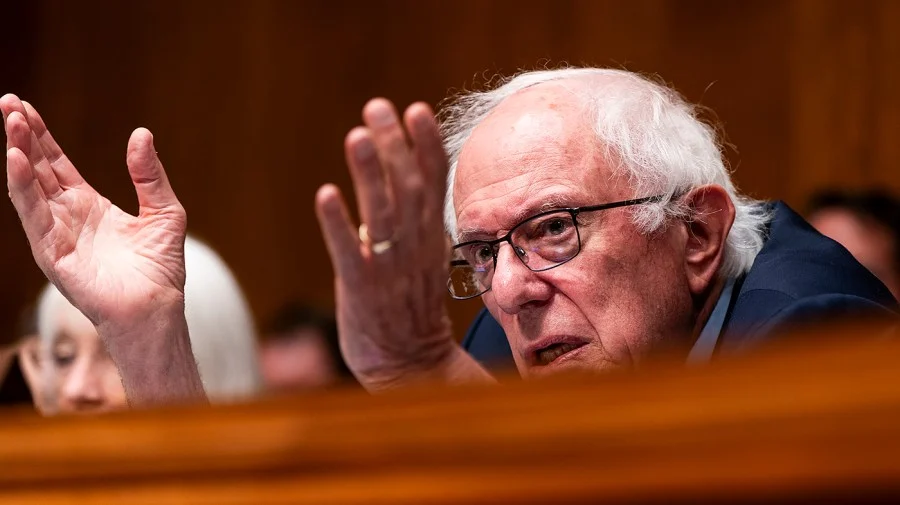
Senator Bernie Sanders has publicly backed Pope Leo XIV’s call to protect art made by humans rather than artificial intelligence (AI).
In a post on Sunday, Sanders aligned himself with the Pope’s recent remarks urging societies to preserve art as a vital expression of human creativity. He argued that art is not merely a luxury but a crucial component of the human condition.
“Art is not some kind of superfluous luxury that can be eliminated from our lives,” Sanders wrote. “It is a crucial part of the human experience.” His statement echoed the Pope’s concern that an overreliance on AI-generated content could diminish the cultural value of artistic expression.
KEY FACTS:
• Bernie Sanders endorsed Pope Leo XIV’s stance on AI art protection.
• The senator argued art remains central to human life.
• The Vatican emphasized prioritizing human creators over AI tools.
• The debate centers on AI art protection versus technological progress.
What happens next for AI-generated content?
While no formal legislation has been proposed, Sanders’s comments reflect growing bipartisan interest in regulating AI applications across creative industries.
The Vatican has not issued binding directives, but its moral authority often influences international discourse on ethics in emerging technologies. Pope Leo XIV’s position builds on themes introduced during his papacy regarding technology’s role in society.
In the U.S., lawmakers are considering various frameworks for AI oversight, including copyright reforms and disclosure requirements for synthetic media. Whether these efforts will address the Pope’s concerns about AI art protection remains uncertain without further clarification or policy proposals.
Who is affected by this debate?
Artists, writers, musicians, filmmakers, and other creatives may face new regulatory environments if policymakers adopt protections similar to those advocated by the Vatican and Sanders.
Tech companies developing generative AI platforms also remain under scrutiny. Critics argue excessive restrictions might hinder innovation; supporters claim safeguards are necessary to uphold intellectual property rights and cultural integrity.
Public opinion appears divided along generational and ideological lines. Younger audiences often embrace AI-generated visuals and music, while older demographics express reservations about authenticity and originality.
WHAT WE KNOW — and What We Don’:
Verified by the source:
• Senator Sanders expressed support for Pope Leo XIV’s views on human-made art.
• The senator emphasized the importance of art beyond utility.
Still unconfirmed:
• Specific policies or legislation tied to AI art protection exist.
• Official responses from tech firms or government agencies.
• Timelines for any potential regulatory action.
This controversy touches broader questions about how societies balance innovation with tradition. As AI tools become more accessible, governments worldwide grapple with defining ethical boundaries around creation, ownership, and expression. Sanders’s endorsement signals rising political sensitivity toward preserving human agency amid rapid digital transformation.
WHAT TO WATCH:
Sanders has signaled potential backing for future bills aligned with papal guidance. Updates expected if U.S. Congress takes up related matters soon.