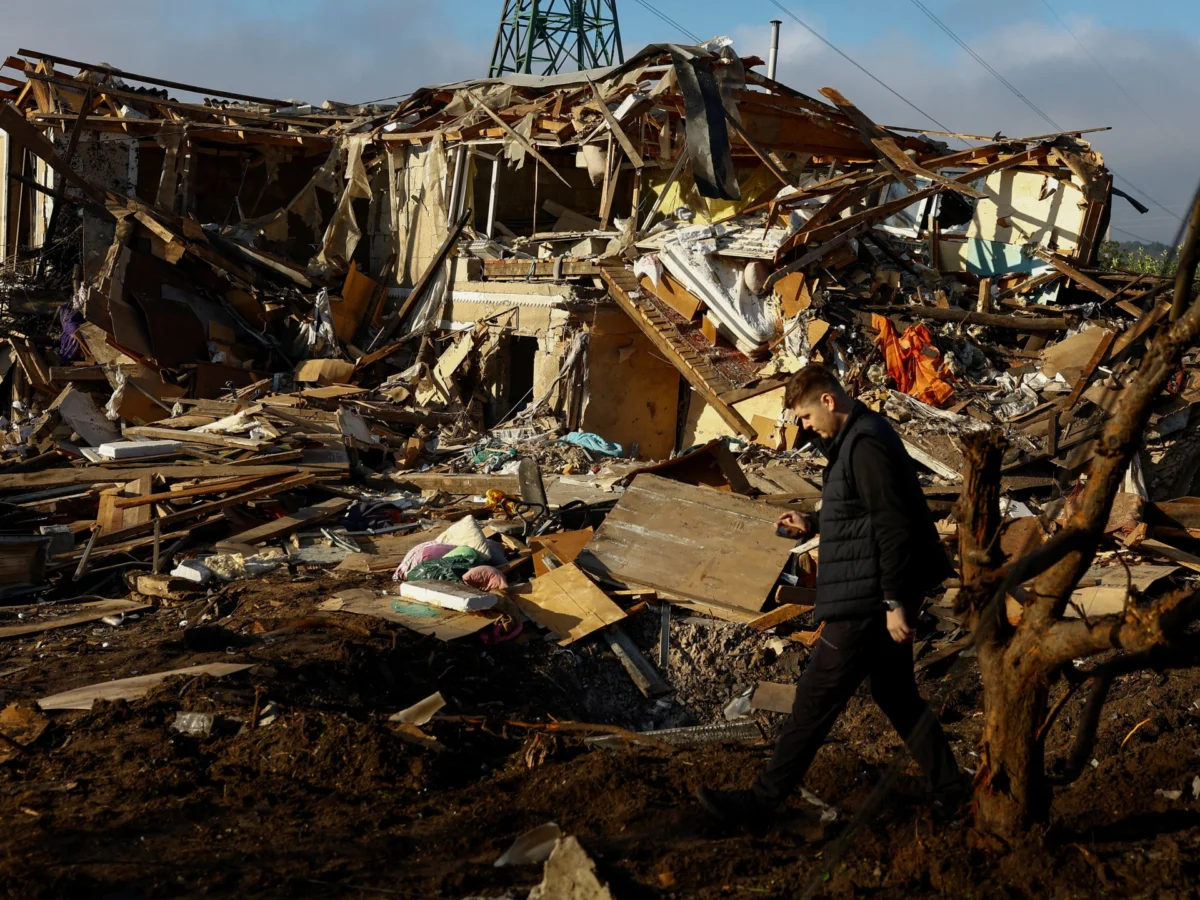
Russian attacks on the Kyiv region killed four people and damaged the power grid, according to city officials and emergency services.
The attacks follow a pattern of repeated strikes on critical infrastructure across Ukraine, escalating tensions in the ongoing conflict. Ukrainian authorities have not yet provided additional details on the timing or scope of the assault.
Key Facts
- Russian attacks killed four people in the Kyiv region, officials said.
- Three people were killed in Ukraine’s capital, Kyiv.
- A child was killed in the surrounding Kyiv region.
- The attacks targeted the power grid in the area.
What Happened in the Strikes?
The Russian attacks focused on key infrastructure, including the power grid, which supplies electricity to millions of residents in and around Kyiv. Disruptions to this grid can significantly affect daily life, especially during colder months when heating and lighting depend heavily on consistent power supply. While the exact method of attack was not specified, past incidents have involved drones, missiles, or explosive devices launched across the border.
Ukrainian emergency services responded to the aftermath of the strikes, though the full extent of the damage remains unclear. Power outages have been reported in several districts, prompting repair crews to work under difficult conditions. The government has previously warned that attacks on energy infrastructure are part of a broader strategy to destabilize civilian life.
Who Is Affected by These Attacks?
Civilians in the Kyiv region, particularly those in the capital and surrounding areas, bear the immediate impact of the violence. The death of a child underscores the vulnerability of non-combatants, especially families with young children who may lack access to secure shelter. Beyond physical harm, disruptions to the power grid affect hospitals, schools, and homes, compounding risks for elderly residents and those dependent on medical equipment.
These attacks also contribute to wider regional instability. International observers have expressed concern over civilian casualties and infrastructure damage in repeated cross-border incidents. As both sides continue military operations, the frequency and intensity of such attacks raise questions about long-term safety for residents in frontline zones.
What We Know — and What We Don’t
Verified by the source:
- Russian attacks killed four people in the Kyiv region.
- Three deaths occurred in the capital city of Kyiv.
- A child died in the surrounding Kyiv region.
- The power grid was among the targets hit.
Still unconfirmed:
- The precise time and date of the attacks.
- The identity of those responsible beyond attribution to Russian forces.
- The cause or circumstances leading to civilian deaths.
- Extent of damage to the power grid infrastructure.
Why It Matters
Attacks on civilian infrastructure and residential areas highlight the ongoing danger faced by ordinary Ukrainians, even outside active combat zones. Repeated strikes on energy systems not only endanger lives directly but also strain public services and deepen humanitarian challenges. For global audiences, these developments signal continued volatility in Eastern Europe, with potential spillover effects on energy markets and international diplomacy. Understanding the human cost helps contextualize broader geopolitical developments covered under war-geopolitics and related coverage in economy-markets.
What To Watch
Its unclear whether additional casualties will emerge or if further strikes are planned. Officials may release updated reports on infrastructure repairs and civilian impact in the coming days.