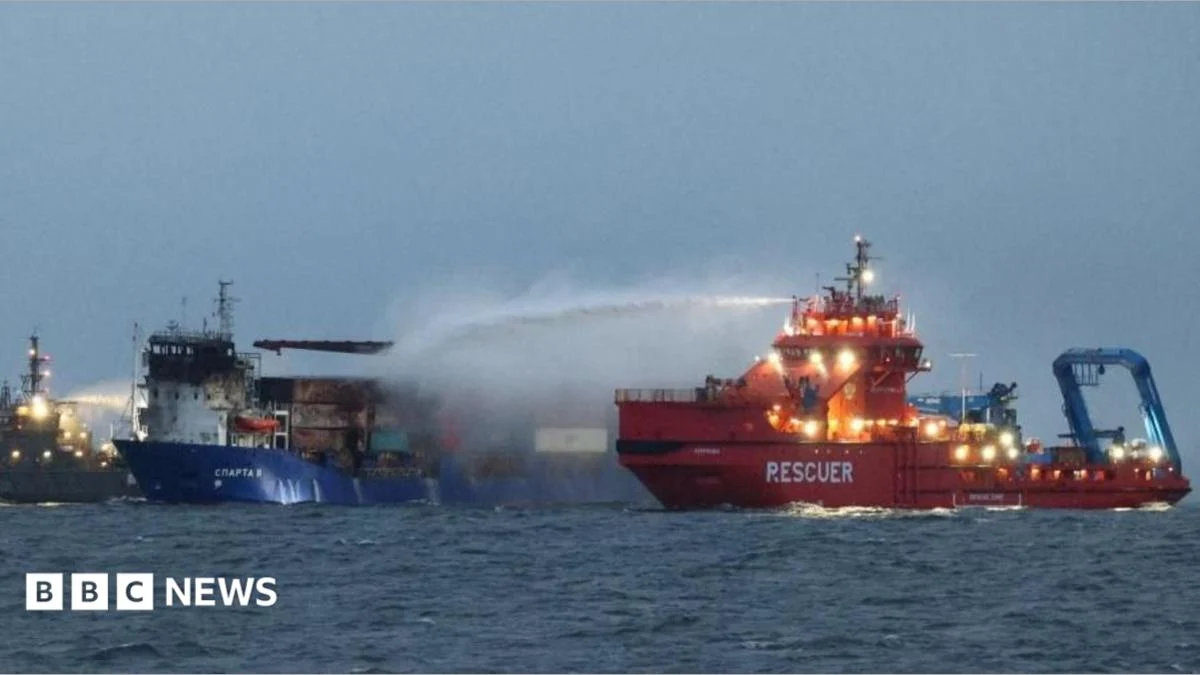
A Russia-bound ship was towed away after it came under attack in the Gulf of Finland on Saturday, according to Finnish defence forces. Officials in Helsinki said Ukraine was likely responsible for the drone strike, while authorities in Kyiv have not yet responded to the allegation.
The incident marks a notable escalation in maritime tensions in the Baltic Sea, a region already on edge since Russia’s full-scale invasion of Ukraine began in 2022. The Gulf of Finland, bordered by Finland, Estonia, and Russia, serves as a critical shipping lane for Russian oil and commercial traffic. Finnish authorities have not released the ship’s name, flag, or the extent of the damage.
Key Facts
- A Russia-bound ship was attacked in the Gulf of Finland
- The vessel was towed away after the attack
- Finnish defence forces say Ukraine was likely behind the drone strike
- The incident occurred on Saturday
- Kyiv has not commented on the allegation
What happened in the Gulf of Finland
Finnish defence forces reported that a ship destined for a Russian port came under attack in the Gulf of Finland on Saturday. The nature of the attack was described as a drone strike, though officials did not specify the type of unmanned system used. After the incident, the vessel was towed to safety, but Finnish authorities have not disclosed its current location, condition, or whether any crew members were injured.
The Gulf of Finland is a strategic arm of the Baltic Sea, connecting St. Petersburg to global shipping routes. Since 2022, NATO members Finland and Estonia have increased surveillance and patrols in the area. Russia’s Baltic Fleet is headquartered in Kaliningrad and St. Petersburg, making the waterway militarily sensitive. Commercial vessels transiting the gulf routinely pass within range of both Finnish and Russian coastal defences.
Who is affected and what comes next
Shipping companies operating in the Baltic Sea now face heightened risk assessments. Insurance premiums for vessels calling at Russian Baltic ports may rise if drone strikes become a recurring threat. Finnish authorities have not announced changes to maritime security protocols, but the incident could prompt closer coordination between Helsinki, Tallinn, and NATO’s Baltic air policing mission.
Ukraine’s silence on the allegation is notable. Kyiv has previously acknowledged long-range drone attacks on Russian energy and military infrastructure deep inside Russia, but has rarely commented on maritime operations. If Ukrainian involvement is confirmed, it would signal an expansion of Kyiv’s targeting priorities to include commercial shipping lanes used by Russia.
What We Know — and What We Don’t
Verified by the source:
- A Russia-bound ship was attacked in the Gulf of Finland on Saturday
- The ship was towed away following the attack
- Finnish defence forces attributed the drone strike to Ukraine as likely responsible
- Kyiv has not issued a statement on the incident
Still unconfirmed:
- The identity, flag, and ownership of the targeted vessel
- The extent of damage to the ship or any casualties
- Specific evidence linking Ukraine to the drone strike
- Whether the drone was launched from Ukrainian territory or a platform in the Baltic Sea
- Any response from Russian authorities or the ship’s operator
Why It Matters
The alleged drone strike on a commercial vessel in the Gulf of Finland extends the geographic reach of the Ukraine-Russia conflict into a congested international waterway. For global shipping, the incident raises questions about the safety of Baltic Sea routes that handle significant volumes of oil, grain, and container traffic. For NATO, it tests alliance readiness to protect member states’ maritime borders against asymmetric threats. The episode also underscores how the war’s spillover effects are no longer confined to land borders but increasingly involve the maritime domain.
What to Watch
Finnish and NATO officials may release further details on the drone’s origin and the ship’s condition. Ukraine’s official response — or continued silence — will shape diplomatic fallout. Shipping insurers and operators will likely reassess transit risks for Russian-bound cargo in the Baltic.