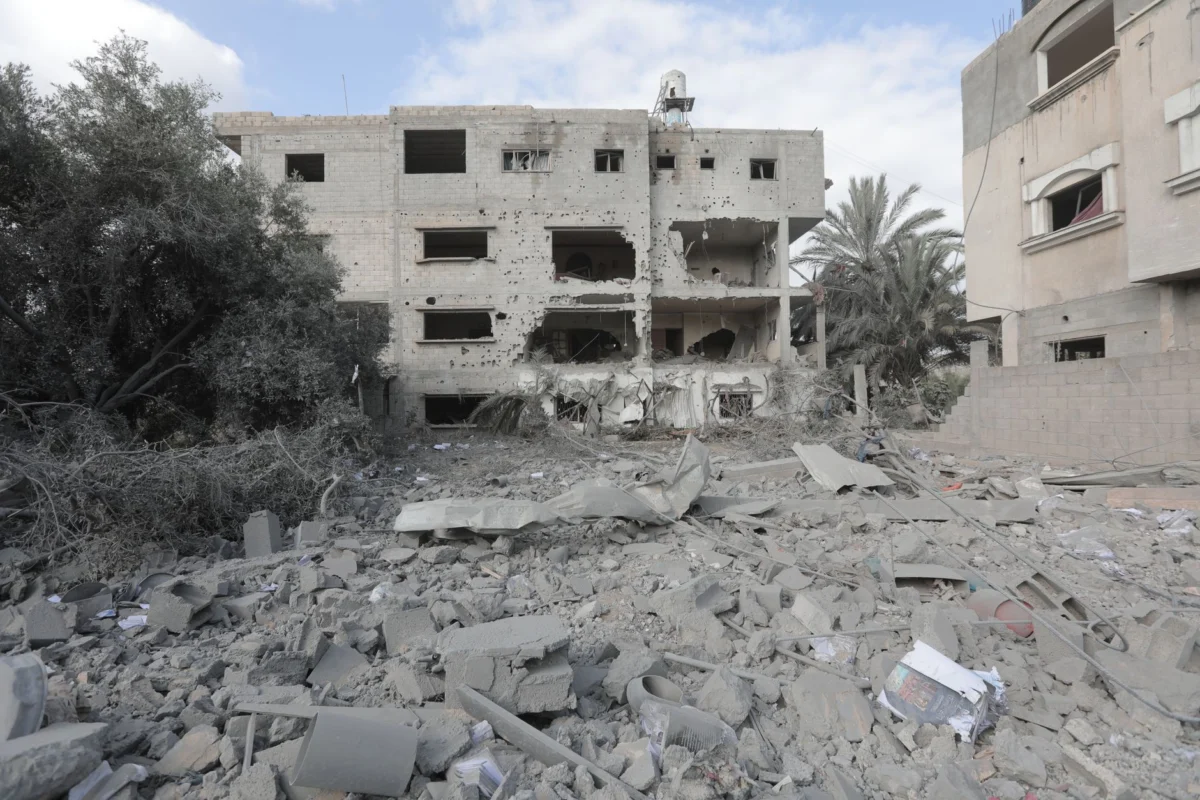
A suspected drone strike has hit a Russian vessel in Libya, according to a report from The Associated Press. The incident represents a notable development in a country where foreign military assets have operated for years amid a fragmented civil conflict. Details remain limited, but the reported targeting of a Russian naval asset by an unmanned aerial system could signal a shift in how external powers engage in the Mediterranean theater.
The AP report provides no confirmation of the vessel’s identity, the responsible party, or the extent of damage. What is clear is that a drone strike — a tactic increasingly common in modern asymmetric warfare — has been directed at a Russian maritime presence in Libyan waters. The event underscores the evolving nature of the Libya conflict, where drones have become a primary tool for both surveillance and strike missions by various state and non-state actors.
KEY FACTS
- A suspected drone strike occurred
- The target was a Russian vessel
- The incident took place in Libya
- The report comes from The Associated Press
- No party has claimed responsibility
THE STORY
How did we get here?
Libya has been a theater of proxy competition since the 2011 overthrow of Muammar Gaddafi. The country fractured into rival administrations — one based in Tripoli, the other in the east — each backed by different foreign patrons. Russia has maintained a military footprint through the Wagner Group and direct naval deployments, particularly around the strategic ports of Tobruk and Benghazi. Meanwhile, Turkey, the United Arab Emirates, Egypt, and other states have supplied drones, air defense systems, and advisors to opposing factions.
Drone warfare has defined the conflict’s recent phase. Turkish-supplied Bayraktar TB2 drones gave the Tripoli-based Government of National Accord a decisive edge in 2020. Since then, Chinese-made Wing Loong II drones operated by the UAE and Egyptian forces have struck targets in western Libya. The reported drone strike on a Russian vessel fits this pattern of remote, deniable strikes against foreign military assets — but it would be the first confirmed instance of a Russian naval platform being hit in Libyan waters.
What happens next?
The immediate question is attribution. If a Libyan faction carried out the strike, it would represent a bold escalation against a major power’s direct asset. If a foreign state operated the drone, the incident could test Russia’s willingness to respond militarily in a theater where it has avoided direct confrontation with NATO members. The Russian defense ministry has not commented. The Libyan National Army, aligned with eastern commander Khalifa Haftar and historically close to Moscow, has also issued no statement.
Investigation will likely focus on drone type, launch platform, and intelligence sources. Commercial satellite imagery and open-source tracking may reveal the vessel’s location and condition in coming days. The United Nations Support Mission in Libya and the 5+5 Joint Military Commission — the body tasked with implementing the 2020 ceasefire — may be asked to investigate. But with no unified Libyan authority controlling the coastline, forensic access to the strike site is uncertain.
WHAT WE KNOW — AND WHAT WE DON’T
Verified by the source:
- A suspected drone strike hit a Russian vessel
- The incident occurred in Libya
- The report was published by The Associated Press
Still unconfirmed:
- Identity and type of the Russian vessel
- Extent of damage or casualties
- Which actor launched the drone
- Type of drone used
- Exact location along the Libyan coast
- Date and time of the strike
- Whether the vessel was military or civilian-flagged
- Any official response from Russia or Libyan authorities
WHY IT MATTERS
The reported strike matters because it potentially crosses a threshold in the Libya conflict: direct kinetic action against a Russian state asset, rather than proxy forces. Russia’s Mediterranean naval presence, centered on its Tartus facility in Syria, relies on secure transit through Libyan ports. A successful drone strike on a Russian ship would demonstrate that such assets are vulnerable to the same remote warfare tools Russia has used extensively in Ukraine. For global powers, the incident tests norms around attribution and retaliation in an era of proliferating drone technology.
WHAT TO WATCH
Official statements from the Russian defense ministry, the Libyan National Army, and the Tripoli-based government will clarify the incident’s scale and attribution. Satellite imagery of Libyan ports in the coming days may show vessel damage or unusual naval movements.