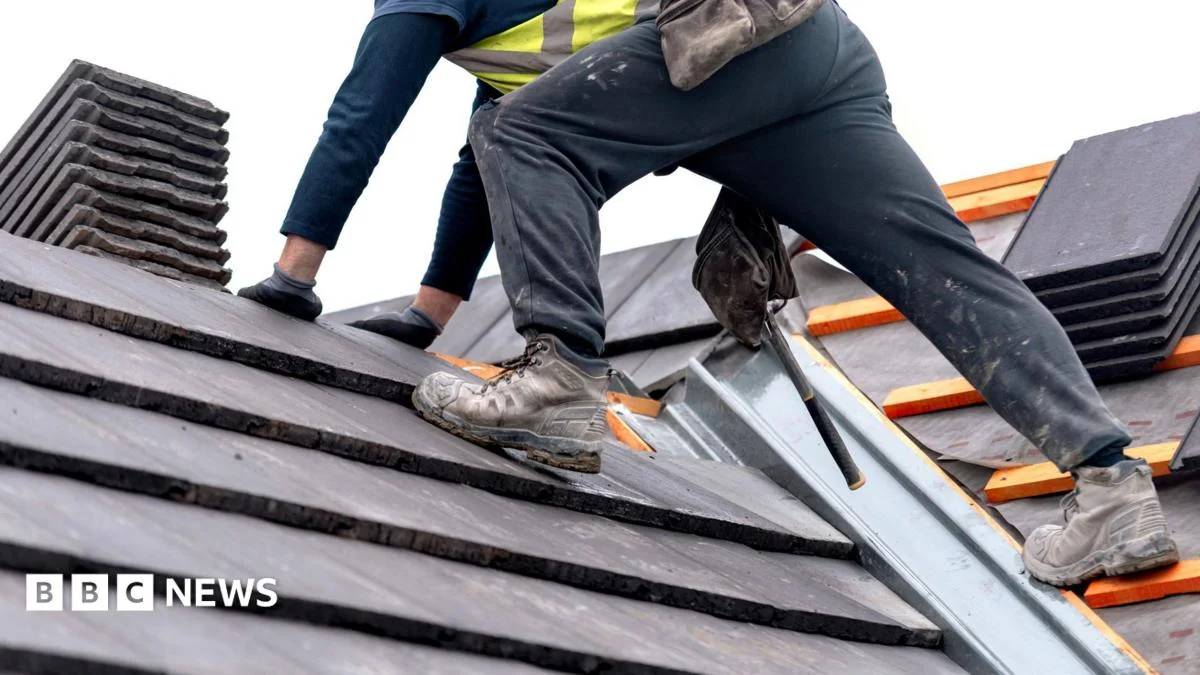
Roofing scammers are conning homeowners out of thousands of pounds, with one in 10 scams reported to Citizens Advice relating to fraudsters charging for work not done or done badly. These con artists often target vulnerable individuals, promising quick fixes or emergency repairs before demanding upfront payments for shoddy or nonexistent work.
The scale of the problem reflects a growing trend in home improvement fraud, where desperation and trust are exploited for financial gain. Victims frequently report being left without proper repairs while losing significant sums of money. Authorities continue urging residents to verify contractors’ credentials before hiring roofing services.
KEY FACTS
- One in 10 scams reported to Citizens Advice relate to roofing fraud.
- Fraudsters charge homeowners for work not done or done badly.
- Homeowners lose thousands of pounds to these scams.
- Roofing scammers target vulnerable individuals, especially after storms.
- Payments are often demanded upfront for poor-quality work.
The Story
What happens next?
Roofing scammers typically approach homeowners unexpectedly, offering urgent repairs or discounted services. They may claim to have noticed damage during a casual inspection or respond to calls made through fake advertisements. Once contact is established, they push for immediate decisions and insist on full payment before beginning work.
In many cases, scammers vanish after receiving payment or fail to complete promised repairs. Others perform substandard work using low-grade materials, leaving property owners facing additional costs for corrections. The lack of follow-up support means victims struggle to recover funds due to difficulty tracing fraudsters.
Authorities recommend checking licensing through official registries, verifying insurance coverage, and avoiding cash-only transactions when hiring roofing professionals.
Who is affected?
Homeowners across various demographics fall prey to roofing scams, though certain groups face higher risks. Elderly individuals living alone, those experiencing financial hardship, and residents in rural areas appear especially susceptible to manipulation tactics used by fraudsters.
Additionally, recent weather events increase exposure as storm damage creates opportunities for unscrupulous contractors to pose as legitimate repair specialists. Insurance companies occasionally unknowingly facilitate payouts based on fraudulent claims submitted by these operators.
Community awareness campaigns emphasize prevention strategies including peer verification networks, consumer feedback platforms, and regulatory watchdog alerts aimed at identifying suspicious activity patterns.
WHAT WE KNOW — AND WHAT WE DON’T
Verified by the source:
- Scammers charge for work not done or performed poorly.
- One in ten reported scams involve roofing-related fraud.
- Homeowners lose thousands of pounds to these schemes.
Still unconfirmed:
- Exact geographic regions most impacted by current surge.
- Total monetary losses incurred annually from such frauds.
- Number of arrested perpetrators or ongoing investigations.
WHY IT MATTERS
This issue highlights how essential home maintenance needs can become entry points for financial exploitation if consumers aren’t vigilant. With housing markets fluctuating and living expenses rising, protecting personal finances from deceptive practices becomes increasingly critical for long-term economic stability among everyday households.
WHAT TO WATCH
Future developments depend on whether new policies emerge restricting unsolicited contractor solicitations. Public response might also shape future legislation targeting repeat offenders operating under multiple aliases within local communities nationwide.