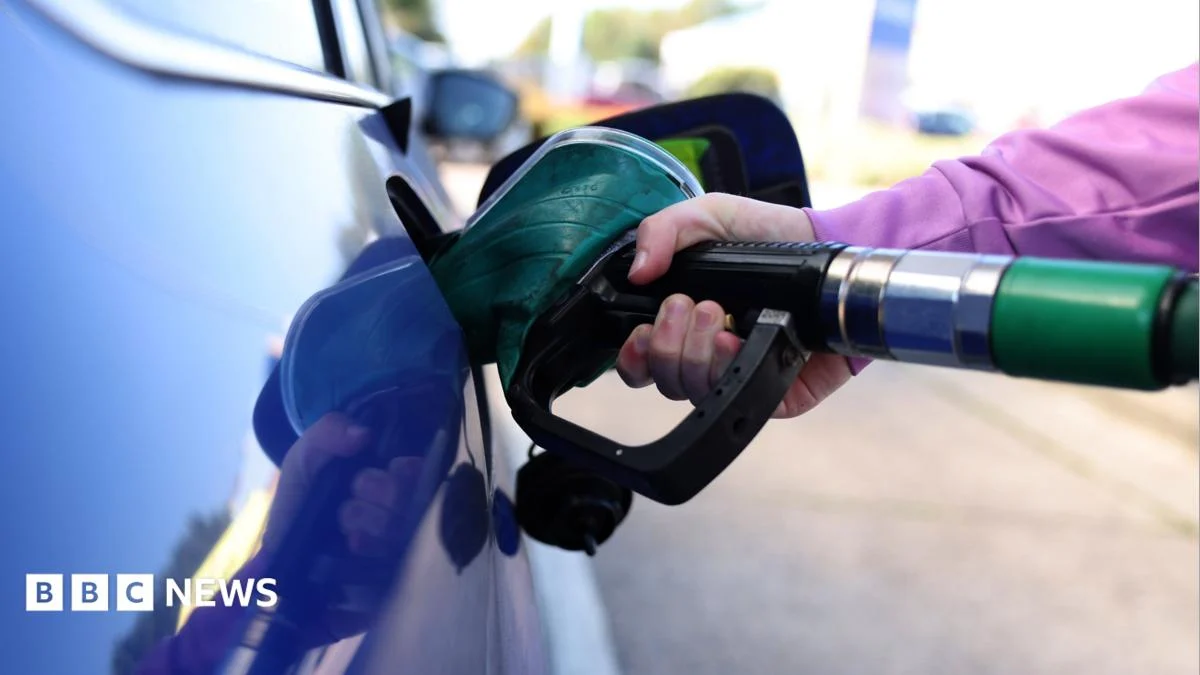
Former US President Donald Trump is facing growing backlash over plans to import diesel from Russia, according to BBC News. Both Republican and Democratic lawmakers have criticized the deal, which was announced weeks before the US midterm elections. The plan has sparked bipartisan concern over energy policy and geopolitical ties.
The criticism reflects broader tensions surrounding energy sourcing and foreign relations, particularly with Russia amid ongoing global conflicts. Lawmakers expressed concern that the announcement, timed ahead of midterms, could influence voter sentiment on energy independence and national security priorities.
KEY FACTS
- Trump faces backlash over Russian diesel imports plan (
BBC News) - Lawmakers from both parties criticized the deal (
BBC News) - The deal was announced weeks before US midterm elections (
BBC News)
The Story
Who Is Affected?
Russian diesel imports would involve energy suppliers and refiners on both sides of the Atlantic. In the US, domestic producers and policymakers are weighing the implications. Consumers may see shifts in fuel pricing depending on supply chain adjustments. Additionally, international partners monitoring transatlantic energy ties are watching closely for diplomatic fallout.
Political figures across the aisle voiced disapproval, suggesting internal divisions within parties about aligning with traditional energy policies versus pragmatic sourcing decisions. The timing near midterms raises questions about electoral strategy versus long-term planning.
The issue intersects with debates over energy security, inflationary pressures, and America’s stance on engaging economically with adversarial regimes — themes central to current legislative discussions.
How Did We Get Here?
Plans for Russian diesel imports surfaced amid rising energy costs and evolving alliances post-invasion of Ukraine. While some argue such purchases support market stability, others view them as contradictory to sanctions-aligned rhetoric.
Announcements made ahead of elections often trigger scrutiny over motives. Here, the confluence of domestic politics and foreign commerce has intensified debate. Lawmakers questioned whether short-term gains justify potential reputational risks linked to sourcing fossil fuels from a sanctioned nation.
Analysts note that past administrations navigated similar crosscurrents between energy needs and foreign policy goals. This latest development adds another layer to an already charged political environment where energy remains a top-tier voting issue.
What We Know — and What We Don’t
Verified by the source:
- Plans exist to import diesel from Russia under Trump-era proposal (
BBC News) - Both Republican and Democratic lawmakers criticized the deal (
BBC News) - The announcement came weeks before the US midterm elections (
BBC News)
Still unconfirmed:
- Exact timeline or contractual terms for Russian diesel imports
- Specific lawmakers who criticized the deal
- President Trump’s direct response to the criticism
- Potential impact on US-Russia diplomatic relations
Why It Matters
Russian diesel imports touch on core voter concerns: economic affordability, national security, and ethical governance. With inflation high and geopolitical tensions persistent, voters are attuned to how leaders balance energy access against alliance commitments. These plans highlight enduring dilemmas in balancing practical economics with normative foreign policy stances.
What To Watch
Further congressional hearings or executive actions could clarify whether these Russian diesel import plans move forward or face legislative roadblock. Public responses from key political figures remain pending.