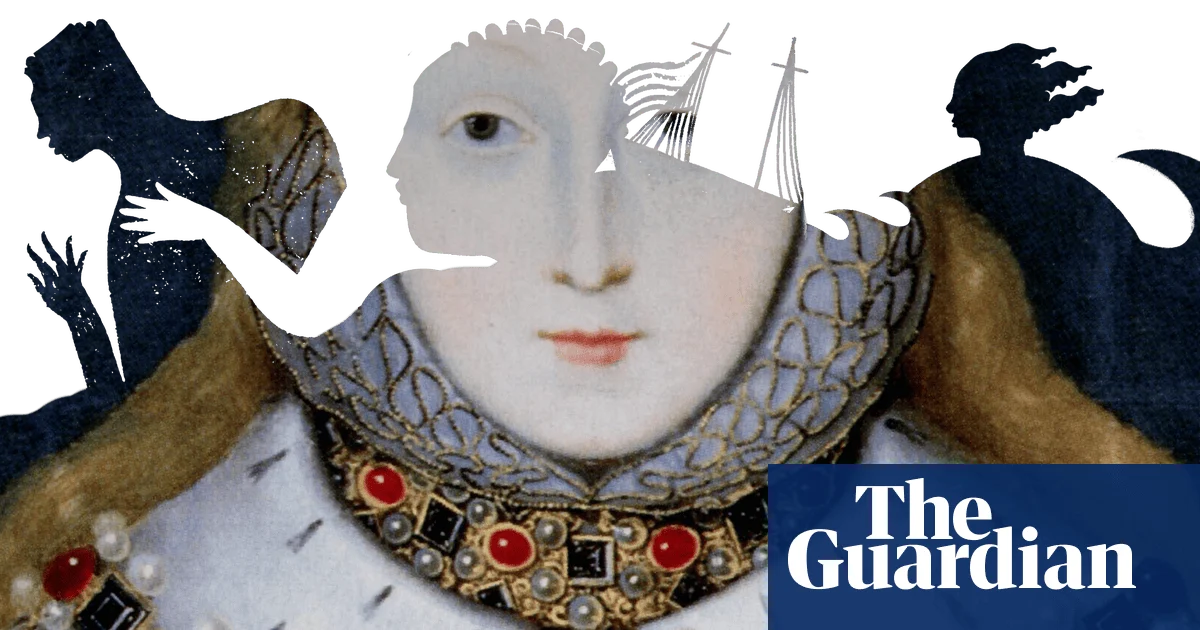
The Register of British Slave-Traders, published recently and reported exclusively by The Guardian, documents individuals who invested in and profited from the trafficking of more than three million enslaved Africans between 1563 and 1807. The register names approximately 13,000 men and women whose financial involvement in transatlantic slavery helped shape British wealth over centuries.
For Caribbean scholars, this evidence has long reinforced the view that slavery was not a peripheral chapter in British history but a central force in its economic development. The register, compiled by researchers including contributors to The Guardian’s Legacies of Enslavement project, provides one of the most systematic catalogues yet assembled of personal and institutional participation in the slave trade. Ahmed Reid, writing from Jamaica as programme manager for the Guardian’s Legacies of Enslavement team, notes that the findings challenge persistent myths about Britain’s commercial innocence regarding human bondage.
Key Facts
- The Register of British Slave-Traders was published recently and reported exclusively by The Guardian.
- The register includes about 13,000 men and women who invested in and profited from the trafficking of enslaved Africans.
- These individuals were involved in trafficking more than three million enslaved Africans between 1563 and 1807.
- The register seeks to dismantle myths about Britain’s limited role in profiting from enslavement.
- Caribbean scholars have long argued that slavery deeply shaped British wealth.
Who Is Affected?
The register’s disclosures bear directly on descendants of enslaved people, particularly in the Caribbean, who have long campaigned for recognition and reparations. It also affects British institutions and families whose names appear alongside documented investments in slave-trading ventures. By naming individuals across genders and centuries, the register illustrates how ordinary and elite actors alike participated in a system now understood as foundational to modern capitalism. Historians say such granular documentation enables communities to trace ancestral links and assess inherited wealth tied to forced labor. At the same time, it pressures archives and museums to reassess collections built on proceeds of slavery.
How Did We Get Here?
Systematic efforts to map British involvement in transatlantic slavery gained momentum through collaborative projects linking journalists, academics, and genealogists. The Guardian’s Legacies of Enslavement initiative, managed regionally by contributors such as Ahmed Reid based in Jamaica, represents one strand of sustained reporting exploring how historical injustices echo into present-day inequality. The Register of British Slave-Traders emerges from this broader investigative tradition, leveraging public records, probate inventories, and colonial correspondence to identify financiers behind major slaving expeditions. Its release coincides with renewed parliamentary discussions on reparatory justice and memorialisation of enslaved lives lost during the Middle Passage.
What Happens Next?
Public response to the register is expected to amplify calls for formal apologies, educational curriculum reviews, and asset repatriation proposals. Legal experts note that while historical liability remains contested, transparency initiatives can inform contemporary debates about restitution mechanisms. Meanwhile, academic publishers plan companion volumes detailing regional patterns of investment uncovered in the database. Digital access to full datasets will allow genealogical societies and researchers to explore family histories entangled with slavery’s legacy. Advocacy groups anticipate using the register’s contents to lobby local councils for heritage markers acknowledging community ties to the slave economy.
What We Know — and What We Don’t
Verified by the source:
- The Register of British Slave-Traders lists around 13,000 investors linked to trafficking over three million enslaved Africans.
- The documented period spans from 1563 to 1807.
- The project was reported exclusively by The Guardian.
- Caribbean scholars emphasize slavery’s deep influence on British wealth accumulation.
- Ahmed Reid contributes from Jamaica as part of the Guardian’s Legacies of Enslavement team.
Still unconfirmed:
- No specific publication date for the register itself has been stated.
- Individual identities beyond aggregate counts remain undisclosed in summary form.
- Extent of institutional versus private ownership among listed traders is unclear.
- Geographic distribution of investor origins within Britain or overseas colonies is not detailed.
Why It Matters
Exposing the scale of British complicity in transatlantic slavery helps societies confront foundational injustices that continue shaping global inequality. This register, published with rigorous sourcing, strengthens evidence-based dialogue needed for truth-telling and healing.
What To Watch
Parliamentary committees are reviewing responses to historical slavery disclosures; further legislative action may follow depending on public pressure and scholarly input. Researchers are preparing follow-up studies based on expanded dataset access.
A newly published register of British slave-traders lists 13,000 investors who trafficked over three million enslaved Africans between 1563 and 1807.