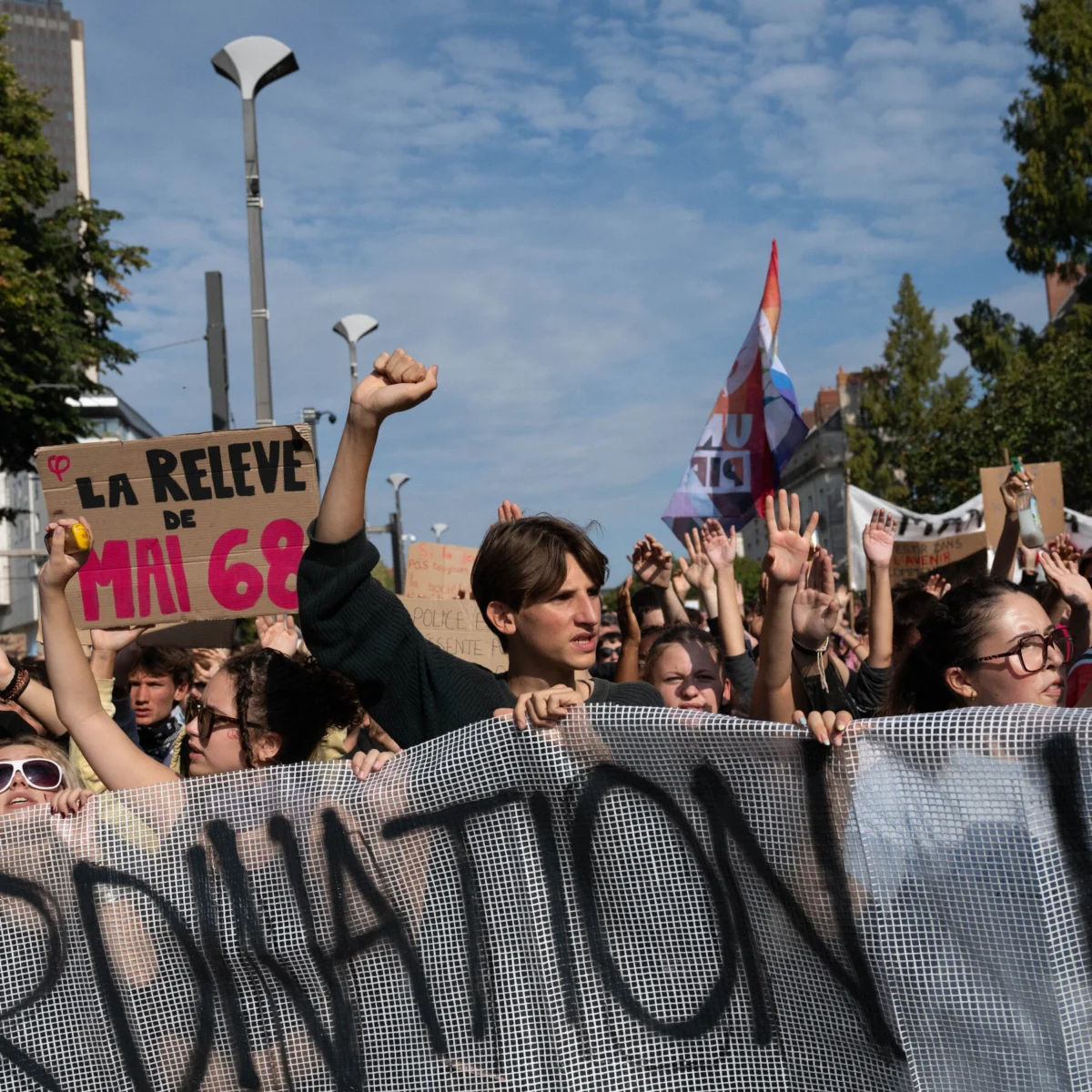
France protests intensified as unions joined student-led demonstrations that have closed hundreds of French high schools since late September, according to a report by NYT > Top Stories. The rallies reflect growing momentum behind a movement initially driven by students opposing educational policies, now expanding into a broader show of labor and civic dissent across the country today.
The protests mark a pivotal moment for the student-led movement, testing its ability to sustain nationwide pressure while drawing support from established labor groups. Organizers have not disclosed specific demands or next steps publicly, but the participation of unions suggests an effort to amplify the movement’s reach beyond campuses.
Key Facts
- Unions joined student-led demonstrations across France.
- The protests are described as a test of strength for the student-led movement.
- Hundreds of French high schools have been closed since late September.
What happens next?
The coming days will determine whether the expanded coalition of students and union members can maintain momentum beyond initial demonstrations. Past movements have often faced internal divisions over tactics or goals, which could influence future turnout. For now, organizers have not released a formal schedule or list of additional demands tied to the latest phase of France protests.
Who is affected?
High school students and education staff in areas with active protests are directly impacted by school closures and potential disruptions to academic schedules. Broader public services may also feel pressure if transportation or government offices become targets of solidarity actions. Citizens watching from outside protest zones are seeing increased media attention on youth activism and its resonance with established labor organizations today.
How did we get here?
The movement began with student-led walkouts at high schools across France in late September, primarily centered on education-related grievances. Over time, these actions evolved into larger rallies that drew attention from national unions, which eventually announced their alignment with protesters. While specifics of union involvement remain unreported, their presence signals a shift toward broader societal engagement with the cause behind France protests.
What We Know — and What We Don’t
Verified by the source:
- Unions have joined student demonstrations in France.
- Student-led protests have closed hundreds of high schools since late September.
- The rallies are seen as a test of the student-led protest movement’s strength.
Still unconfirmed:
- Specific names of participating unions or student groups.
- Exact number of schools closed or affected cities.
- Official statements from government or education officials.
- Concrete demands or timeline for future actions related to France protests.
Why It Matters
The collaboration between students and unions in France protests underscores a potential realignment of civic activism, where younger voices find renewed influence through alliances with traditional labor forces. Such coalitions often reshape public discourse and can pressure policymakers to respond swiftly to evolving grassroots sentiment across institutions.
What To Watch
Further developments depend on whether new organizing efforts emerge after this wave of demonstrations subsides, and if any official responses materialize from government or education authorities in France.