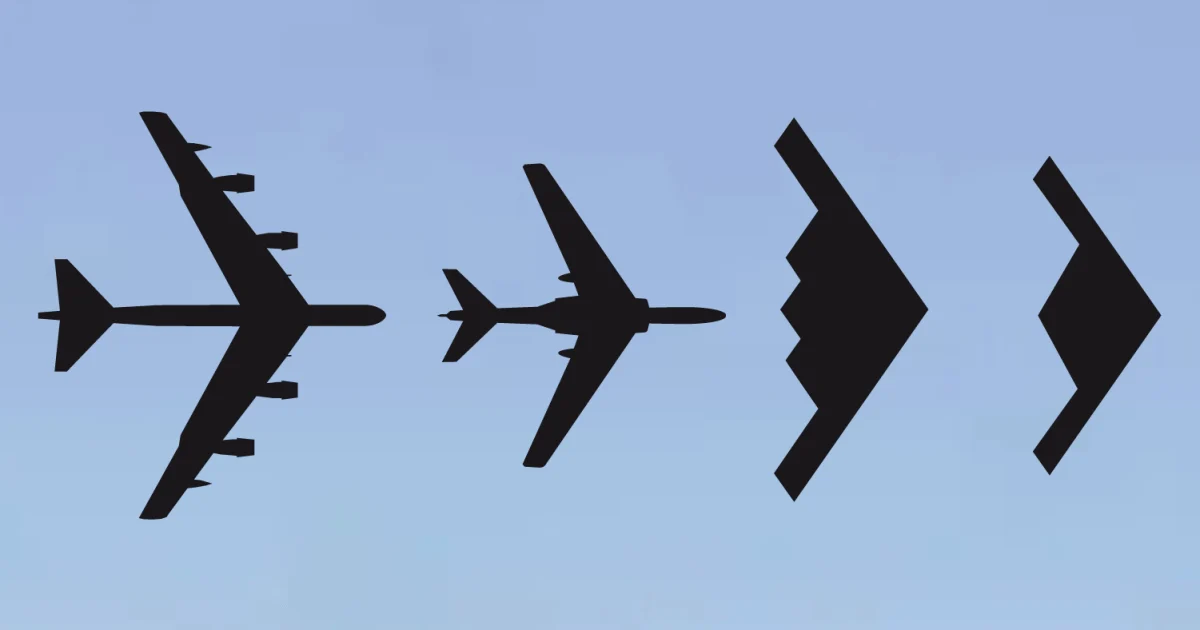
The United States has withdrawn its B-1 bombers from RAF Fairford, reflecting growing concerns over developments involving Iran. This move signals a recalibration of US bomber deployment in response to evolving international dynamics.
The B-1M Lancer, a long-range strategic bomber operated by the US Air Force, is capable of carrying both conventional and nuclear ordnance across intercontinental distances. Its presence at forward operating bases such as RAF Fairford in the United Kingdom provides rapid access to potential hotspots. By relocating these aircraft, the US demonstrates how bomber deployment decisions are tied closely to diplomatic and military assessments of risk.
KEY FACTS
- US pulls B-1 bombers from RAF Fairford: The US has removed B-1 bombers stationed at RAF Fairford.
- Iran tensions drive redeployment: Withdrawal follows concerns related to Iran.
- Bomber flexibility matters: Highlights where US bombers can operate globally.
- RAF Fairford role noted: Base used for long-range bomber operations in Europe.
Why the Withdrawal Matters
While the exact timing of this bomber deployment decision was not detailed by the reporting outlet, the presence of B-1 bombers in the UK is often linked to NATO readiness and broader US strategic posture in the Middle East. RAF Fairford has historically served as a hub for long-range strike missions, and its use fluctuates depending on regional threats. Adjusting bomber deployment to locations like RAF Fairford can influence diplomatic signaling, as visible military assets often convey resolve or restraint. This underscores how bomber deployment decisions carry both symbolic and operational weight, shaping perceptions among allies and adversaries alike.
Global Reach of US Bombers
B-1 bombers are part of a larger triad of US strategic deterrence, alongside intercontinental ballistic missiles and nuclear submarines. While based primarily in the continental United States, these aircraft are frequently rotated to forward bases in Europe and the Pacific to enhance response times and operational reach. RAF Fairford remains one of the few European locations regularly hosting B-1 and B-2 missions, offering a strategic foothold near volatile regions. Other potential sites include Whiteman Air Force Base in Missouri and Andersen Air Force Base in Guam, though current locations depend on mission requirements and rotational strategies. Flexibility in bomber deployment allows the US to project influence while adapting to shifting threat landscapes.
What Happens Next?
Public records and official statements may eventually clarify whether additional bomber deployments accompany or replace those at RAF Fairford. In the absence of confirmed details, observers continue monitoring how shifts in bomber deployment might correlate with broader defense postures. Analysts also note that forward basing of strategic assets often reflects classified threat assessments, which typically remain outside public view until formally announced. For now, the withdrawal from RAF Fairford stands as a singular indicator of US bomber deployment adjustments amid evolving international concerns. Future transparency through congressional briefings or formal notifications under the NATO Status of Forces Agreement could provide further clarity on these movements.
WHAT WE KNOW — AND WHAT WE DOUGHT
Verified by the source:
- B-1 bombers were removed from RAF Fairford.
- Concerns over Iran influenced the withdrawal.
Still unconfirmed:
- No official statement specifying exact timing or rationale.
- Unclear if additional bombers were placed elsewhere as replacement.
- No confirmation on operational impact or duration of absence from RAF Fairford.
Why It Matters
Strategic bomber operations are a cornerstone of US foreign policy, serving as both deterrent and diplomatic tools. Decisions around bomber deployment influence how allies perceive stability and can affect crisis escalation. As tensions ebb and flow, understanding bomber deployment patterns helps contextualize military signaling and global security planning. This withdrawal may reflect a temporary posture shift but also illustrates the adaptive nature of modern airpower strategy.
WHAT TO WATCH
Further announcements regarding future bomber rotations and any official explanations are expected, though no timeline has been confirmed publicly at this time.