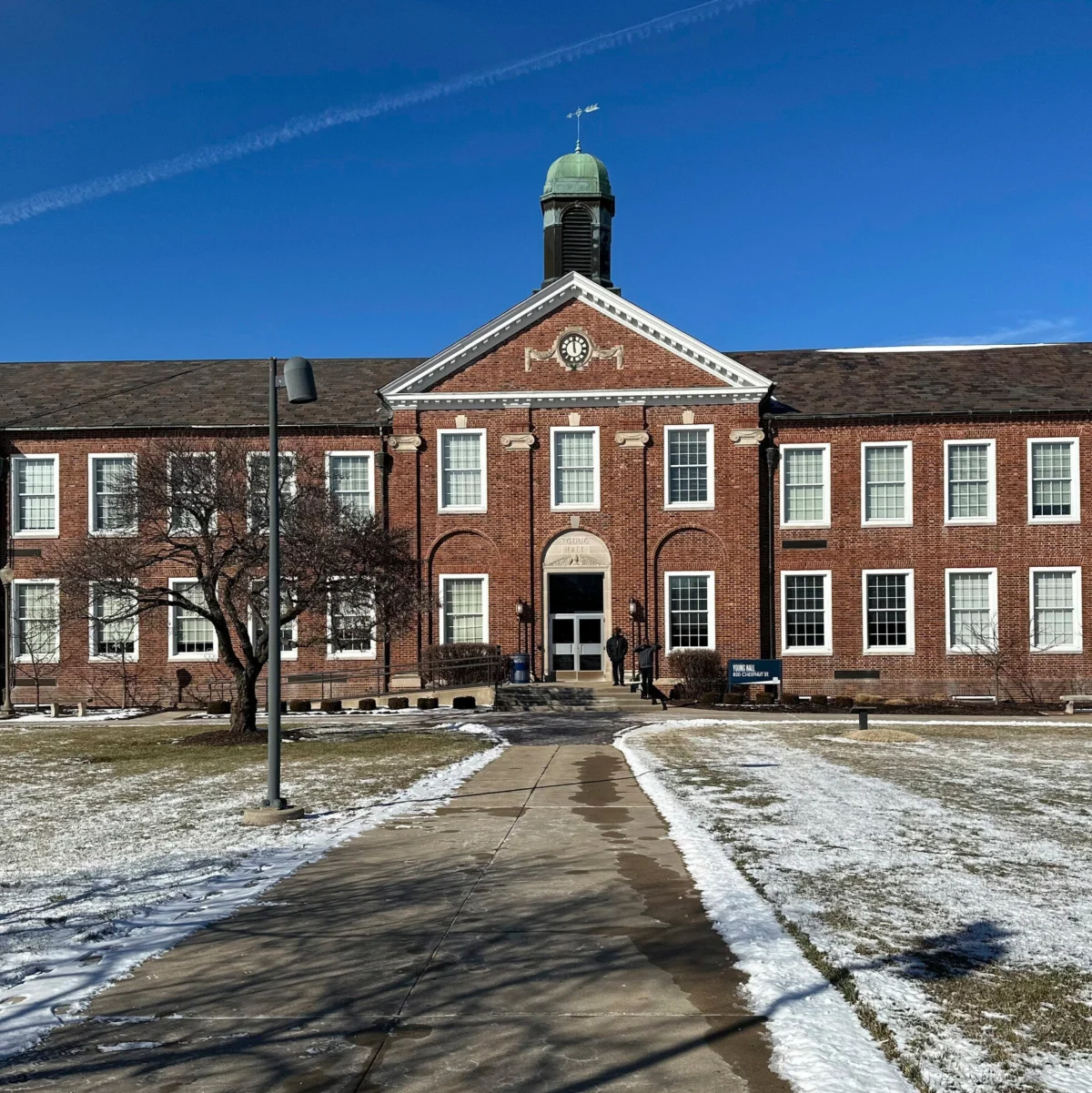
Lincoln University, a historically Black university in Missouri, has filed a lawsuit against the state seeking $549 million in damages, arguing that years of unequal education funding have disadvantaged the institution compared to the University of Missouri. The case centers on allegations that Missouri persistently underfunded Lincoln University while providing more robust financial support to its predominantly white flagship campus.
The lawsuit frames the dispute as a systemic funding equity issue, claiming that state investment patterns have placed Lincoln University at a structural disadvantage. Such lawsuits typically challenge public spending decisions, and this case highlights broader national conversations about resource allocation for historically Black colleges and universities.
KEY FACTS
- $549 million lawsuit filed by Lincoln University against Missouri.
- Lincoln University is a historically Black university in Missouri.
- The suit alleges Missouri persistently underfunded Lincoln University.
- Funding disparities are said to exist between Lincoln University and the University of Missouri.
Background of the Lawsuit
The lawsuit filed by Lincoln University centers on a legal theory of equal protection and discriminatory funding practices. Historically Black colleges and universities, or HBCUs, were established largely after the Civil War to provide higher education access to African American students who were excluded from existing institutions. These schools often relied on separate and unequal public funding structures that left them with fewer resources for decades. Lincoln University, founded in 1866, became part of Missouri’s public university system, yet advocates have long argued that its budget has remained smaller than that of the University of Missouri system.
Cases involving HBCU funding disparities have gained traction in recent years across multiple states. Courts have examined whether state funding formulas violated constitutional equality principles. The $549 million figure cited in the suit likely reflects years of alleged underfunding compounded by inflation and program cuts. If successful, the outcome could establish precedent for how states must allocate resources among public universities.
What Happens Next?
The lawsuit now moves into the formal discovery and litigation phase. Both sides will present evidence regarding historical funding levels, legislative appropriations, and comparative budgets. Legal experts note that proving intentional discrimination or systemic neglect requires extensive documentation of budget decisions over many years. The case may take several years to reach a ruling, and any financial settlement or judgment could significantly affect Missouri’s higher education appropriations.
Court proceedings will determine whether the state’s funding practices violated equal protection guarantees. Meanwhile, HBCU advocates across the country are watching closely, as similar cases have emerged in other states including Maryland and Tennessee. A ruling favorable to Lincoln University might encourage additional lawsuits challenging funding inequities nationwide.
WHAT WE KNOW — and WHAT WE DON’T
Verified by the source:
- Lincoln University sued Missouri for $549 million.
- The university alleges persistent underfunding compared to the University of Missouri.
- The lawsuit centers on funding disparities.
Still unconfirmed:
- No court decision date has been announced.
- Specific budget figures per institution are not disclosed in the summary.
- Whether Missouri will contest liability or seek early settlement.
WHY IT MATTERS
This lawsuit underscores ongoing debates about federal and state obligations to historically Black colleges and universities. Funding disparities can affect student outcomes, infrastructure quality, and long-term institutional stability, making such cases significant for educational equity and public accountability nationwide.
WHAT TO WATCH
Legal filings during discovery may reveal detailed budget comparisons. Advocates are watching for potential settlements before the case proceeds to trial.