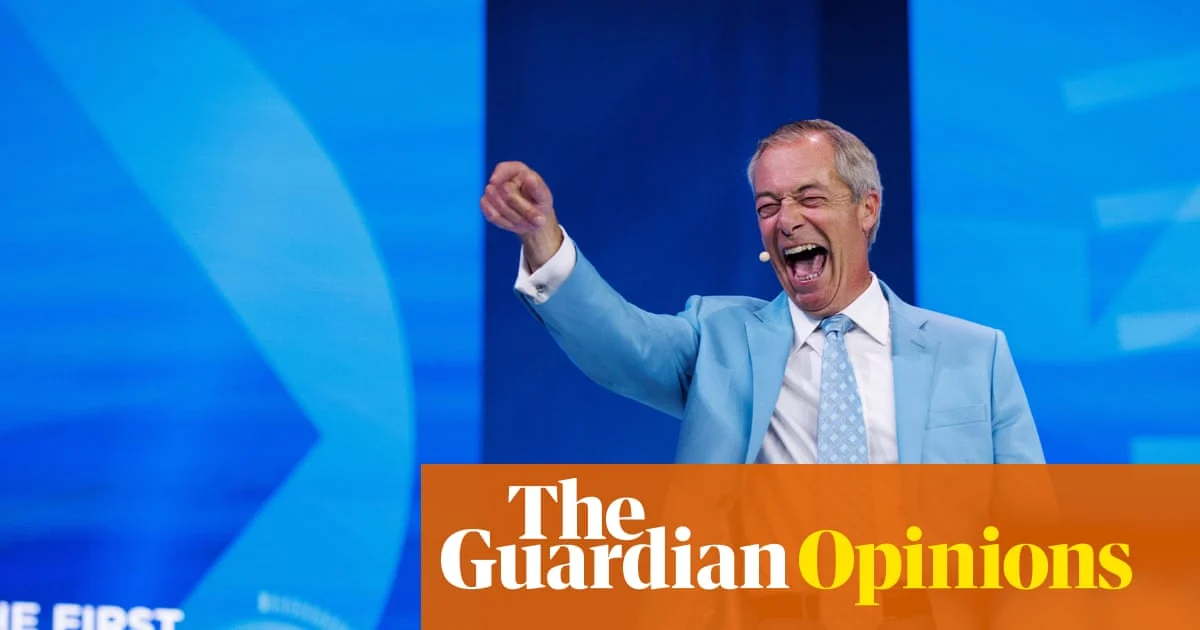
Reform UK has received £72 million in donations, raising questions about the influence of wealthy donors on British politics. Nigel Farage, the party leader, previously criticized the establishment and big business, yet now leads a party financed by large contributions.
The contrast between Farage’s past rhetoric and current funding model highlights ongoing tensions about money in politics. While he once positioned himself as opposing the super-rich, his party now benefits from substantial financial backing.
Key Facts
- Reform UK received £72m in donations
- Nigel Farage previously criticized the rich and big business
- Farage once described referendums as ‘people versus the establishment’
- In 2014, he claimed to represent entrepreneurs against big banks
- Critics question the influence of wealthy donors on democracy
How Did We Get Here?
Nigel Farage has long positioned himself as a voice against the establishment, particularly during the Brexit referendum campaign. Ten years ago, he framed the vote as a struggle between ordinary people and vested interests, including big business. This anti-establishment messaging helped propel his political movement forward.
However, two years ago, Farage criticized what he called an ‘unholy alliance of big business, big banks and big government.’ Now, as leader of Reform UK, he oversees a party that has attracted £72 million in donations. This shift raises questions about consistency in his political messaging.
The tension between past statements and present realities reflects broader debates about political funding. While Farage once claimed to represent merchants and traders against institutional power, his party now relies heavily on wealthy contributors.
What Happens Next?
The influx of £72 million into Reform UK’s accounts intensifies scrutiny of political donations. As public attention grows, pressure may increase for greater transparency in how parties disclose their funding sources.
Regulatory bodies could examine whether current rules sufficiently prevent conflicts of interest. Parliamentary committees might summon party officials to explain donation details. Campaign finance reform discussions may resurface if public concern deepens.
Political opponents are likely to challenge Reform UK’s funding model. They may demand stricter caps on individual contributions. Any changes to donation laws would require legislative approval and cross-party support.
What We Know — and What We Don’t
Verified by the source:
- Reform UK received £72m in donations
- Farage described the Brexit referendum as people versus the establishment
- He opposed big business, banks, and government two years ago
- In 2014, he said he represented entrepreneurs during a debate
Still unconfirmed:
- Who specifically donated the £72m to Reform UK
- Whether any donors received preferential treatment
- If party policies influenced donation decisions
- Exact timeline of when donations were received
Why It Matters
The relationship between money and political influence remains a central concern in democratic societies. Large donations can shape policy priorities and electoral outcomes, affecting ordinary citizens’ lived experiences.
What To Watch
Monitoring future donation disclosures and any proposed reforms to campaign finance laws.