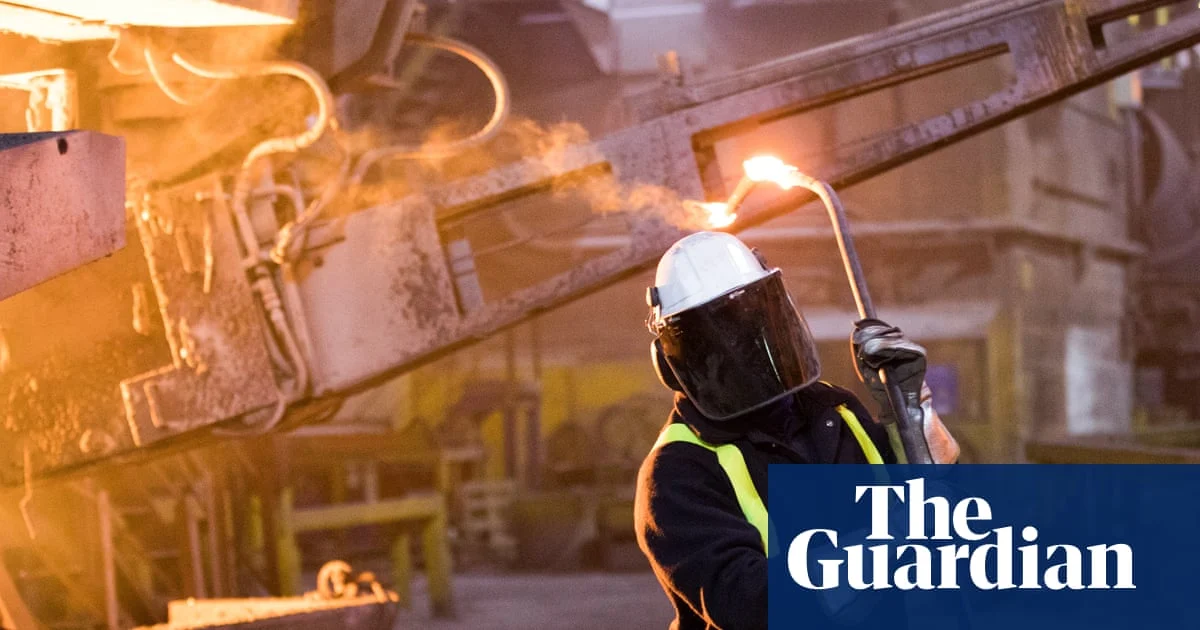
The government plans to nationalise Speciality Steel UK (SSUK) to safeguard around 1,300 jobs across sites in South Yorkshire and the West Midlands.
SSUK, formerly part of Sanjeev Gupta’s empire, fell into administration last year and failed to secure a private buyer, prompting the intervention. Business secretary Jonathan Reynolds said officials would work towards acquiring the company, keeping steel production in public ownership temporarily.
Key Facts
- The government will nationalise Speciality Steel UK (SSUK) to protect 1,300 jobs.
- SSUK fell into administration last year and failed to find a buyer.
- The company was formerly part of Sanjeev Gupta’s empire.
- Jobs are based in Rotherham, Stocksbridge, Brinsworth and Wednesbury.
- Business secretary Jonathan Reynolds announced the plan.
What happens next?
Officials will now move towards completing the nationalise Speciality Steel process, although the timeline and terms of the takeover have not been set out in detail. The government has suggested that public ownership will be temporary while a long-term solution is sought. The steel industry has faced repeated turbulence in recent years, including plant closures and energy cost pressures, which adds context to why this intervention is happening now.
SSUK operates production sites that supply specialised steel products, making it a notable employer in its regions. Keeping the plants running under public ownership aims to preserve industrial capacity while avoiding sudden redundancies. Unions have historically pushed for state support in similar cases, and this move aligns with broader Labour government pledges to protect strategic manufacturing assets.
Who is affected and how did we get here?
About 1,300 workers across Rotherham, Stocksbridge, Brinsworth and Wednesbury face an uncertain future, although the nationalisation plan is intended to shield them from immediate job losses. The firm entered administration last year as part of a wider collapse linked to the collapse of Sanjeev Gupta’s business empire, which also affected other UK steel assets. Multiple attempts reportedly failed to attract a private buyer, leaving the government as the fallback owner.
This follows a pattern seen in other recent UK steel rescues, where state support has been used to keep plants open during market stress. The nationalise Speciality Steel decision reflects ongoing concerns about energy costs, weak demand and global competition. The affected communities rely heavily on steelmaking, so preserving output carries wider economic implications beyond the immediate workforce.
What We Know — and What We Don’t
Verified by the source:
- The government intends to nationalise Speciality Steel UK.
- The measure is intended to protect about 1,300 jobs.
- SSUK entered administration last year after failing to find a buyer.
- SSUK was once part of Sanjeev Gupta’s business empire.
- Jobs are located in South Yorkshire and the West Midlands.
Still unconfirmed:
- The legal structure and financial terms of the nationalisation.
- Whether public ownership will be permanent or temporary.
- Exact administrative timeline and process for the takeover.
- Names of any potential buyers approached before the decision.
- Final outcome for pension arrangements or existing contracts.
Why it matters
The steel sector is viewed as strategically important to UK manufacturing and defence supply chains, so state intervention in one of its producers signals how seriously ministers treat industrial stability. Protecting 1,300 jobs in regions with deep steelworking heritage also reduces the social and economic shock that mass redundancies typically bring. At the same time, nationalisation raises questions about taxpayer exposure and whether public ownership can deliver commercially viable outcomes in a volatile global market.
What to watch
Watch for official confirmation of the takeover mechanism and any legislation required to transfer ownership. The government has yet to detail how long public control will last or what the exit strategy would look like.
The government plans to nationalise Speciality Steel UK to safeguard around 1,300 jobs after the firm fell into administration and failed to secure a buyer.