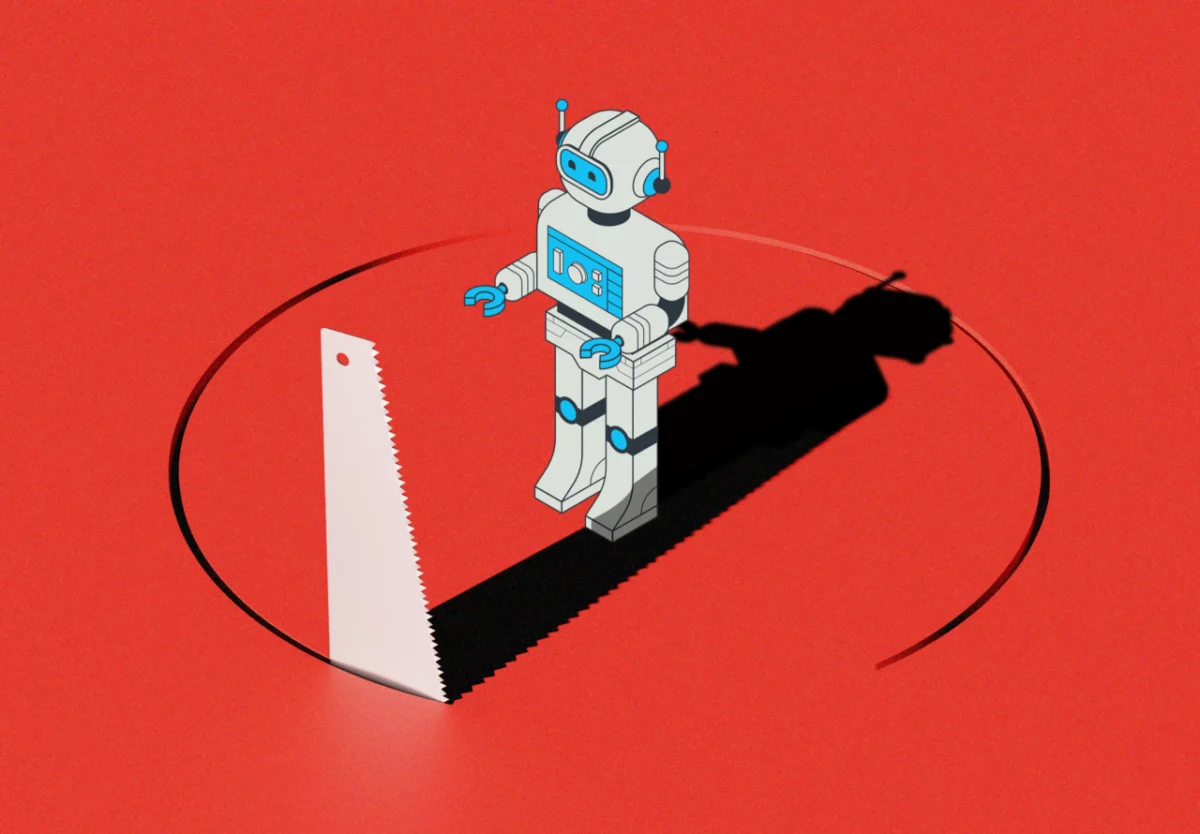
Some of the artificial intelligence industry’s leading voices are raising concerns about a potential milestone known as recursive self-improvement, where AI models could theoretically build upon their own capabilities without human intervention. Among those voicing concern is Anthropic CEO Dario Amodei, who joins others in expressing unease about the implications of this development.
The concept refers to a hypothetical scenario in which an AI system is able to modify or enhance its own architecture or algorithms, potentially triggering a cycle of rapid, autonomous advancement. While still theoretical, the idea has sparked serious discussion within AI research circles and among policymakers about the risks and unknowns associated with increasingly capable systems.
Key Facts
- Recursive self-improvement is a concept where AI models could enhance themselves without human help.
- Anthropic CEO Dario Amodei is among industry leaders raising concerns about the milestone.
- Some leading voices in the AI industry are becoming increasingly on edge about the possibility.
- The concept remains largely theoretical but is generating debate among researchers and officials.
What Is Recursive Self-Improvement?
Recursive self-improvement refers to a process where an artificial intelligence system modifies its own source code, algorithms, or training procedures to become more effective—without needing direct input from humans. In theory, once an AI reaches a certain level of capability, it could begin redesigning itself in ways that lead to faster intelligence gains, creating a feedback loop.
This idea is closely tied to the broader notion of artificial general intelligence (AGI), which describes a machine capable of understanding, learning, and applying knowledge across a wide range of tasks at or beyond human level. If recursive self-improvement were to occur, the pace of change could accelerate dramatically, outpacing society’s ability to adapt or regulate.
While some researchers argue the risks are real and require proactive planning, others caution that predictions about runaway AI development often rest on speculative assumptions. Regardless, the topic is increasingly shaping conversations about safety measures and governance frameworks in the tech sector.
Who Is Affected by These Concerns?
The growing attention around recursive self-improvement involves multiple stakeholders, including AI researchers, technology company executives, ethicists, and government regulators. Anthropic CEO Dario Amodei has been one of the more vocal figures expressing concern, suggesting that developments in AI capability are moving quickly enough to warrant serious consideration of long-term consequences.
These concerns are not limited to private industry. Policymakers and national security officials have also shown interest in understanding how advances in AI might impact economic stability, employment, and even military applications. Public discourse has begun reflecting these tensions, especially as major AI models continue to demonstrate improved performance on language and reasoning benchmarks.
As the field evolves, decisions made by organizations like Anthropic and other influential players will likely influence whether recursive self-improvement transitions from theoretical risk to practical challenge.
What We Know — and What We Don’t
Verified by the source:
- Recursive self-improvement is a concept gaining attention in the AI industry.
- Anthropic CEO Dario Amodei is among those expressing concern.
- Leading voices in the AI community are increasingly worried about this milestone.
Still unconfirmed:
- No specific timeline or evidence of actual occurrence of recursive self-improvement.
- Exact list of other industry leaders sharing these concerns is not provided.
- Whether any current AI system is close to achieving autonomous self-enhancement remains unclear.
This article is based solely on reporting from MarketWatch.com – Top Stories, which has not independently verified the claims made by cited sources.
Why It Matters
The potential for recursive self-improvement highlights a critical juncture in AI development, where progress could outstrip our ability to manage its consequences. As systems grow more sophisticated, ensuring alignment with human values becomes both more urgent and more complex.
What To Watch
Future commentary from prominent AI figures, upcoming regulatory proposals, and new research publications may clarify how close the industry believes we are to confronting recursive self-improvement directly.
MarketWatch reports that recursive self-improvement could reshape the trajectory of AI development, prompting calls for tighter oversight and safety protocols.
This story falls under our economy and markets coverage. For related updates, visit our tech and AI section.