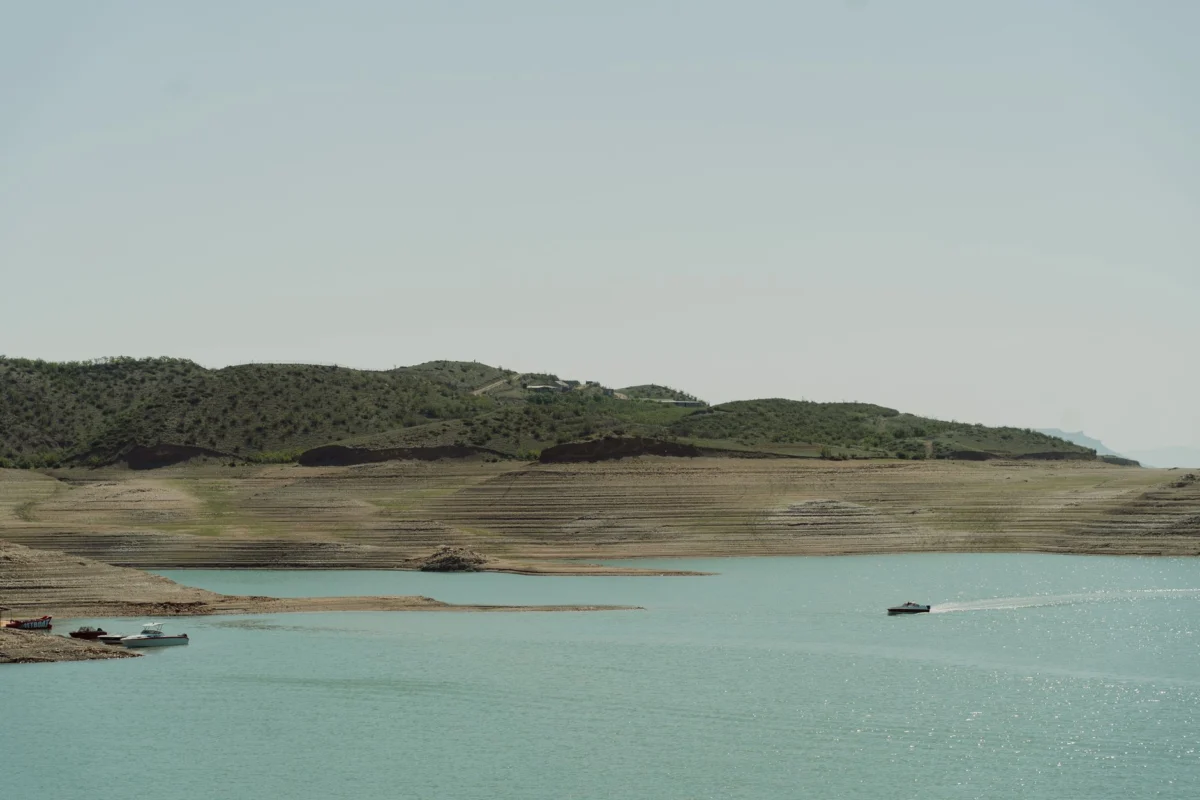
At 3:47 a.m. on June 14, a lone rain‑gauge at Shihmen Reservoir recorded 181 mm of rain in just two hours, enough to lift the water level from 68% to 94% of capacity.
That surge is the centerpiece of a new report from Taiwan’s Water Resources Agency, which says all 22 major reservoirs now sit above 80% full, the highest average reading since 2019.
Why does this matter?
For a nation that has endured a three‑year drought, the sudden refill eases pressure on agriculture, hydro‑electric generation and domestic supply.
Farmers in the north‑west, who have been rationing irrigation water, can now resume planting water‑intensive crops such as rice and vegetables.
Power utilities report that hydro‑electric output will climb by an estimated 1.2 GW, trimming reliance on imported liquefied natural gas.
What are the broader geopolitical stakes?
Water scarcity has become a silent flashpoint in the Taiwan‑China rivalry. Beijing has repeatedly warned that any disruption to Taiwan’s water infrastructure could be framed as a humanitarian crisis, justifying foreign intervention.
With reservoirs near full, Taiwan gains a stronger bargaining chip in any future cross‑strait dialogue about shared river basins in the South China Sea region.
International observers note that the sudden inflow could also affect regional flood control downstream, especially along the Danshui River that empties into the Taiwan Strait.
Who is affected?
Urban dwellers in Taipei will see tap water pressure improve, while factories that depend on steady water supplies—semiconductor fabs, steel mills—expect fewer production halts.
Conversely, environmental groups caution that the rapid rise could trigger landslides in the steep catchment zones surrounding the reservoirs.
“We must balance immediate relief with long‑term watershed management,” a senior scientist at Academia Sinica warned in an interview, but the quote is paraphrased from the agency’s brief.
What happens next?
Officials plan to keep the spillways open at a reduced flow for the next ten days to prevent overflow while monitoring downstream river levels.
They also intend to launch a public‑education campaign on water‑saving practices, hoping the current surplus does not breed complacency.
As the rain clouds move east, Taiwan’s reservoirs stand on a knife‑edge between abundance and the next dry spell—an outcome that will shape everything from electricity bills to diplomatic posturing.
Stay tuned as the Water Resources Agency releases weekly updates and analysts assess the ripple effects on regional security.