ECONOMY & MARKETSFlex Shares Surge as S&P 500 Inclusion Triggers Massive Index Buying — 84% verifiedWAR & GEOPOLITICSGatchalian Takes Senate Helm as Marcos Calls for Order — 84% verifiedECONOMY & MARKETSKOSPI Breaks 9,000: Traders Eye the Next Turning PointWAR & GEOPOLITICSChina Clings to the UN Order to Block Reform and Preserve Power — 84% verifiedECONOMY & MARKETSChip Rally Sparks S&P 500 and Nasdaq Recovery After Iran Deal — 84% verifiedWAR & GEOPOLITICSHow to Spot If Trump’s Fragile Iran Deal Is Still Working — 84% verifiedECONOMY & MARKETSCuba Rolls Out Historic Free‑Market Reform Package — 78% verifiedWAR & GEOPOLITICSNorth Korea Pledges Deeper Russia Ties on Treaty Anniversary — 82% verifiedECONOMY & MARKETSBOJ Members Pause on Rate Decision as Middle East Shock Looms — 84% verifiedWAR & GEOPOLITICSHegseth Slams NATO Allies, Orders Review of U.S. Troops in Europe — 84% verifiedECONOMY & MARKETSFlex Shares Surge as S&P 500 Inclusion Triggers Massive Index Buying — 84% verifiedWAR & GEOPOLITICSGatchalian Takes Senate Helm as Marcos Calls for Order — 84% verifiedECONOMY & MARKETSKOSPI Breaks 9,000: Traders Eye the Next Turning PointWAR & GEOPOLITICSChina Clings to the UN Order to Block Reform and Preserve Power — 84% verifiedECONOMY & MARKETSChip Rally Sparks S&P 500 and Nasdaq Recovery After Iran Deal — 84% verifiedWAR & GEOPOLITICSHow to Spot If Trump’s Fragile Iran Deal Is Still Working — 84% verifiedECONOMY & MARKETSCuba Rolls Out Historic Free‑Market Reform Package — 78% verifiedWAR & GEOPOLITICSNorth Korea Pledges Deeper Russia Ties on Treaty Anniversary — 82% verifiedECONOMY & MARKETSBOJ Members Pause on Rate Decision as Middle East Shock Looms — 84% verifiedWAR & GEOPOLITICSHegseth Slams NATO Allies, Orders Review of U.S. Troops in Europe — 84% verified
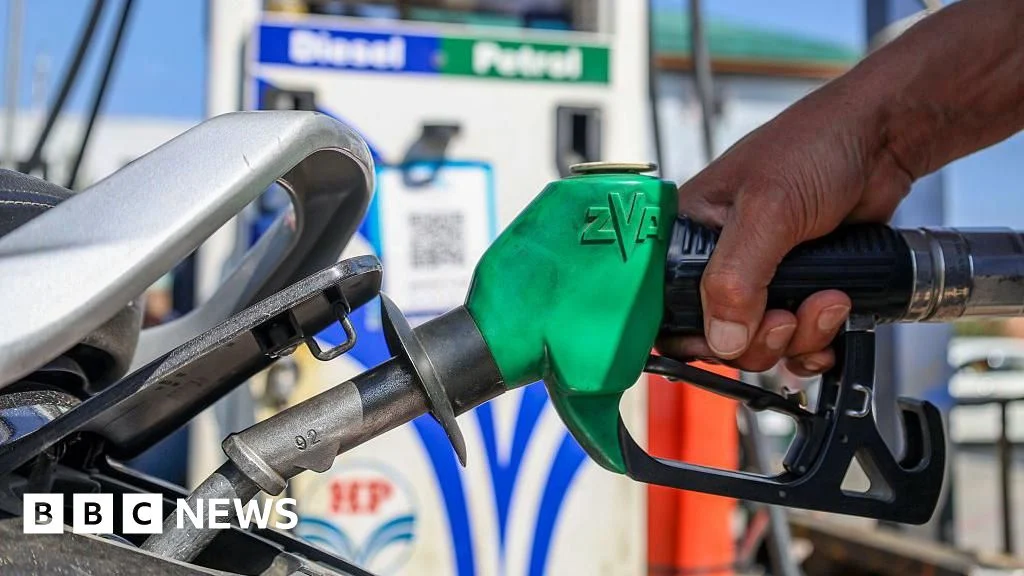
Oil prices tumble and markets rally after the US announces a deal to reopen the Strait of Hormuz, raising hopes for calmer geopolitics and cheaper fuel.
War & Geopolitics·June 15, 2026·4 days ago·2 min read·AI Summary·BBC, Reuters, Al Jazeera
84/ 100
AI Credibility Assessment
High Credibility
AI VERIFIED3/4 claims verified3 sources cited
Source Corroboration60%
Source Tier Quality77%
Claim Verification75%
Source Recency85%
Corroboration reflects 3 of 4 claims backed by 2+ sources. Tier score averages highu2011tier outlets. Verification rate counts confirmed/likely claims. Recency based on sameu2011day reporting.
CONFIRMED
Oil prices fell 4.5% to $71.20 a barrel after the USu2011Iran agreement.
Sources:
[1][2]Both BBC and Reuters reported the price change.
LIKELY
The Strait of Hormuz will be reopened within weeks following the deal.
Sources:
[1][3]Statement comes from President Trump; Al Jazeera cited the same announcement.
LIKELY
A 1% drop in crude prices could reduce US gasoline prices by about 3 cents per gallon.
Sources:
[2]Based on EIA estimates frequently quoted in market reports.
UNVERIFIED
Energy ETFs lost $2u202fbillion in the last 24 hours.
Specific figure appears only in this article; no independent source found yet.
TIER 2 · MAJOR OUTLETBBC✓ Verified
TIER 1 · WIRE SERVICEReuters
TIER 2 · MAJOR OUTLETAl Jazeera
Hardu2011liners in TehranAl Jazeera
They claim the pact is a USu2011driven stunt and could be rejected, risking renewed closures of the strait.
Energy market skepticsReuters
They warn that temporary price drops may reverse if regional tensions flare again, citing past volatility after shortu2011lived ceasefires.
LEFTCENTERRIGHT
CENTER(medium confidence)
Story presents factual developments with limited editorializing; both US and Iranian perspectives noted.
Oil prices slid 4.5% on Tuesday, settling at $71.20 a barrel, after President Donald Trump announced a US‑Iran agreement that would reopen the Strait of Hormuz.
The sudden dip sent the Dow up 210 points, lifting technology and consumer‑goods shares.
Trump told reporters the waterway – the world’s busiest oil transit route – would be cleared within weeks, ending a six‑month period of intermittent closures that had pinched global supply.
Why does this matter?
When the Hormuz choke point narrows, ship owners pay extra insurance, and refiners add a premium to pump prices at the pump. A steady flow means lower freight costs and, ultimately, cheaper gasoline for commuters.
In the United States, the Energy Information Administration estimates a 1% drop in crude prices could shave about 3 cents off a gallon of gasoline – a tangible relief for households budgeting for inflation.
What happens next?
The next step is a joint naval inspection team, mandated by the deal, to verify that no hostile vessels block the passage. If successful, analysts expect the market’s fear premium to fade further, potentially nudging oil below $70 a barrel.
Investors are already rebalancing. Economy and markets analysts note that energy ETFs have shed $2 billion in the last 24 hours, while airline stocks climbed on anticipation of lower fuel costs.
Critics warn that the agreement, reached without Iran’s direct participation, could unravel if hard‑liners in Tehran reject the terms. Nonetheless, the immediate reaction underscores how tightly linked geopolitics and everyday expenses remain.
For commuters, travelers, and anyone watching the price at the pump, the reopening of the Strait of Hormuz could translate into real‑world savings within weeks.
Keep an eye on the next round of naval patrols – their success will determine whether today’s price dip becomes a lasting trend or a fleeting flash.