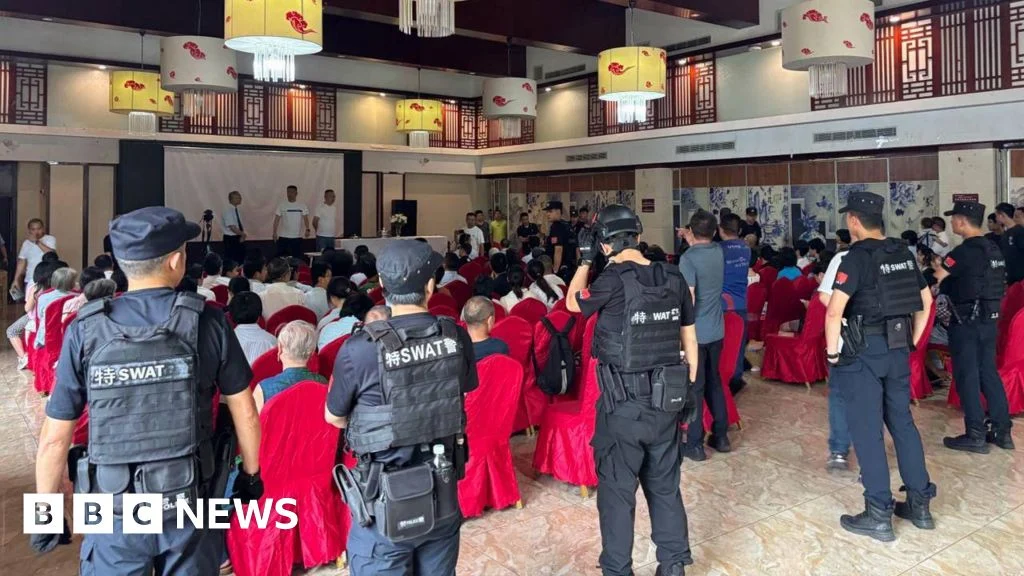
At 10:15 a.m. on a quiet Sunday in Shandong province, police burst into the Early Rain Covenant Church, dragging out two of its senior pastors while the congregation sang “Amazing Grace.”
The raid left more than 30 members in a small hallway, waiting for interrogations that officials say are part of a broader anti‑cult campaign.
BBC News reports that the two detained leaders are Wu Jianhua and Li Ming, both long‑time figures in the underground Christian network that operates outside state‑sanctioned churches.
China’s Ministry of Public Security did not comment, but local authorities have previously labeled unregistered houses of worship as “illegal religious activities.”
Why does this matter?
China houses an estimated 40‑50 million Christians, many of them in underground congregations that refuse to submit to state control. The crackdown threatens not only religious freedom but also the diplomatic tightrope between Beijing and Western nations that champion human rights.
For expatriates and global investors, the incident signals a broader pattern: the Chinese government is tightening its grip on civil society, which could spill over into tighter regulation of NGOs, foreign firms, and even digital platforms.
What happens next?
Legal experts say the two pastors could face charges ranging from “disrupting public order” to “inciting subversion,” offenses that carry years of imprisonment.
Human‑rights groups, including Amnesty International, have condemned the raid, urging the Chinese government to respect religious liberty.
Meanwhile, other underground churches are reportedly increasing security measures, moving services online or into more secluded locations.
Who is affected?
Beyond the worshippers themselves, the incident reverberates through China’s already fragile war‑geopolitics landscape, influencing how Western governments address Beijing’s human‑rights record in trade talks and diplomatic dialogues.
It also hits families: relatives of the detained pastors have been barred from visiting, a pattern observed in previous crackdowns.
What does this tell us about China’s future policy?
Analysts warn that the state’s intolerance for independent religious voices is likely to intensify as it seeks to cement ideological conformity ahead of the 2027 Party Congress.
Watch for follow‑up arrests, tighter surveillance of religious gatherings, and diplomatic protests that could further strain China’s relations with the West.
Stay tuned as more details emerge about the detainees’ charges and the wider impact on China’s underground church network.