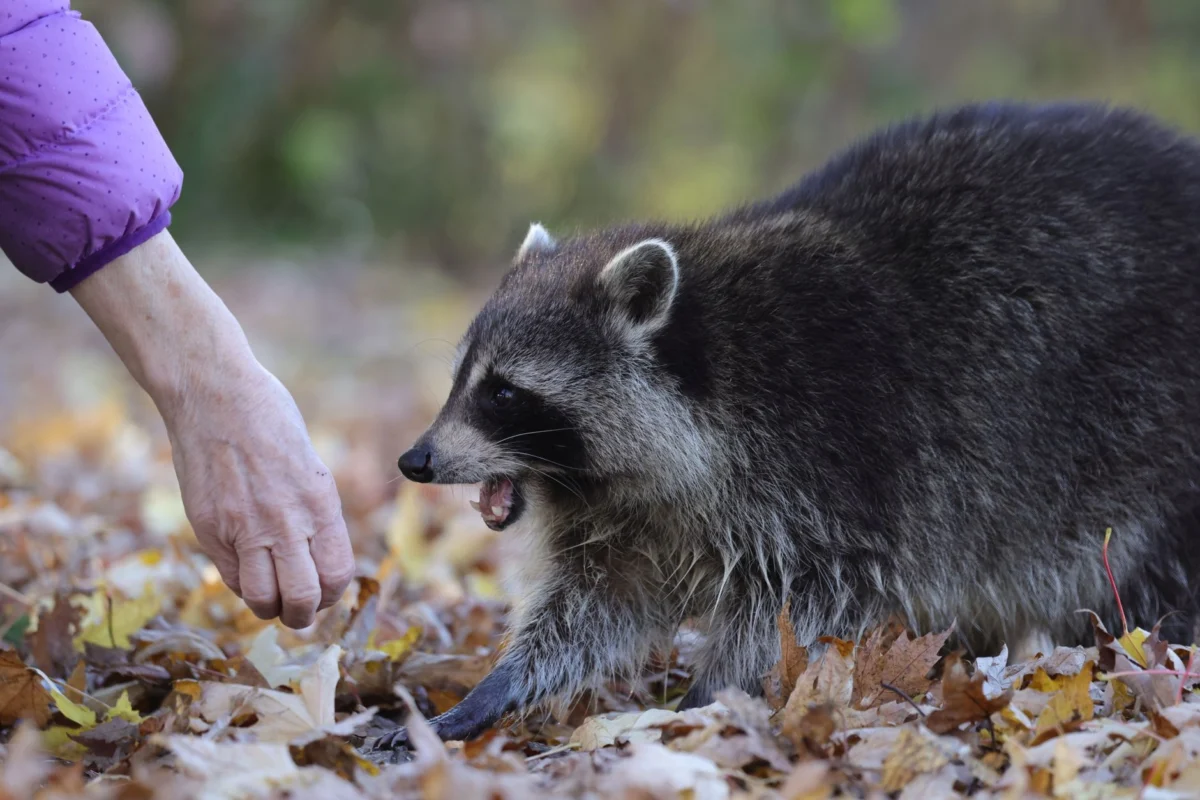
Rabies resurgence is prompting federal officials to warn about an apparent increase in human exposures following surges in animal cases across several states.
The New York Times reports that health authorities are tracking more cases of rabies in wildlife and domestic animals, leading to a corresponding rise in potential human contacts. Federal agencies are monitoring the situation closely as cases continue to climb.
Key Facts
- Several states report surges in animal rabies cases.
- Federal officials warn of an increase in human exposures.
- Rabies resurgence is the focus of national concern.
- Human exposures follow surges in animal cases.
The Story
Why Are Human Exposures Rising?
Rabies is a viral disease transmitted through the bite of an infected animal, most commonly bats, raccoons, foxes, and skunks. When animal populations show higher infection rates, the risk of human exposure increases. Federal officials are tracking these trends to guide public health responses.
Historical data shows that rabies control programs, including vaccine distribution for wildlife, have helped reduce cases in past decades. However, recent surges in multiple states suggest possible gaps in those efforts or new patterns of spread.
Who Is Affected?
People who come into contact with potentially infected animals face the greatest risk. This includes pet owners, wildlife handlers, children, and outdoor workers. Health departments often issue guidance to help minimize exposure.
Post-exposure proapses, or PEP, are both costly and critical for preventing illness once exposure occurs. An uptick in these treatments signals a broader public health challenge tied to the rabies resurgence.
What Happens Next?
Federal and local health agencies are likely to expand surveillance efforts and possibly launch public awareness campaigns. Recommendations may include vaccinating pets and avoiding contact with wild animals.
Tracking which states are seeing the largest surges in animal cases helps target resources. Early intervention can limit further human exposures and reinforce prevention measures.
What We Know — and What We Don’t
Verified by the source:
- Several states report surges in animal rabies cases.
- Federal officials warn of increased human exposures.
- Rabies resurgence is driving public health attention.
Still unconfirmed:
- Specific states where surges are occurring.
- Exact number of human exposure cases reported.
- Potential causes behind the rise in animal cases.
- Timeline or scale of federal response measures.
Why It Matters
Rabies is nearly 100% fatal once symptoms appear, but it is also preventable through timely vaccination and post-exposure treatment. A resurgence in cases raises urgent questions about prevention strategies and public health readiness. This matters to every reader because exposure can happen anywhere, and early awareness saves lives. The connection between animal health and human risk underscores the importance of broad surveillance systems. Continued vigilance is essential as officials investigate why cases are climbing.
What To Watch
Officials have not yet detailed their response plans, but expanded vaccine programs and public alerts are likely next steps if cases continue rising.