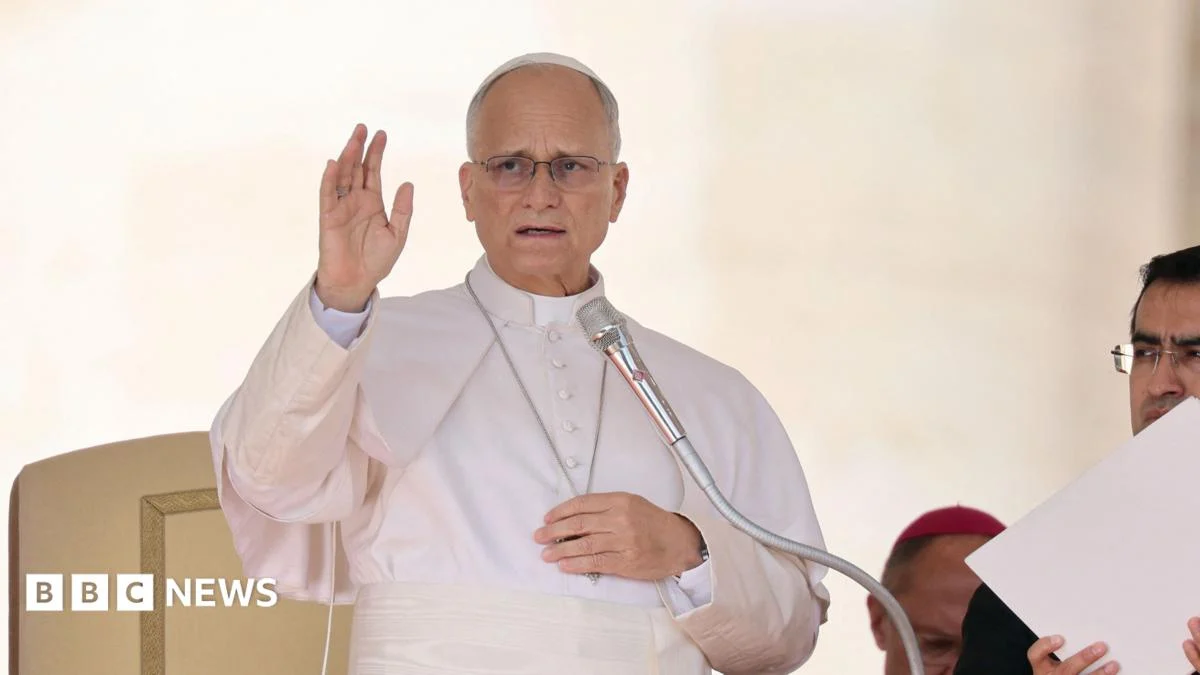
Pope does not need further treatment after lung cancer surgery, according to test results confirming a diagnosis of localized lung adenocarcinoma. The Pope underwent surgical intervention for the condition, and follow-up assessments indicate no additional therapy is currently required.
This development follows widespread international attention on the Pope’s health after the procedure. Medical experts note that early-stage, localized lung adenocarcinoma generally carries a more favorable prognosis, though long-term outcomes depend on ongoing monitoring.
Key Facts
- Pope does not need further treatment after lung cancer surgery
- Diagnosis confirmed as lung adenocarcinoma
- Condition was localized at time of detection
What do the test results mean?
Test results showing no need for further treatment suggest that the surgical procedure successfully addressed the immediate medical concern. Localized lung adenocarcinoma refers to cancer that began in glandular cells of the lung and has not spread beyond its original site, which typically improves treatment outcomes compared to advanced stages.
In medical practice, treatment decisions follow a combination of imaging results, pathology reports, and clinical evaluations. The conclusion that no additional therapy is immediately required reflects a consensus among medical professionals reviewing the Pope’s case.
Adenocarcinoma is the most common subtype of lung cancer, particularly among non-smokers and individuals in Western populations. Early detection and complete surgical removal often lead to extended periods without recurrence.
What happens next?
While further treatment may not be necessary now, routine medical surveillance will continue. Regular imaging and laboratory tests allow physicians to monitor for any signs of recurrence or new health issues.
The Vatican has not released additional details about the Pope’s schedule or public engagements following the surgery. Officials traditionally balance transparency with privacy regarding personal health matters.
Medical experts emphasize that post-treatment care plans vary based on individual factors such as age, overall fitness, and specific tumor characteristics. Continued adherence to prescribed check-ups remains essential regardless of current treatment status.
What We Know — and What We Don’t
Verified by the source:
- No further treatment needed after lung cancer surgery
- Diagnosis confirmed as lung adenocarcinoma
- Condition was localized
Still unconfirmed:
- Exact timing of the surgery
- Details of recovery period
- Timeline for return to public duties
- Specific hospital or medical facility involved
Why It Matters
The Pope’s health directly affects millions of followers worldwide who rely on consistent spiritual leadership. Updates about his condition influence public sentiment within religious communities and broader global audiences attuned to developments involving prominent faith leaders. Lung cancer surgery represents a significant medical event given its association with serious illness, making accurate reporting crucial for informed public understanding.
What To Watch
Additional statements from Vatican officials may clarify future activities or continued recovery progress. Broader implications include potential adjustments to scheduled events depending on evolving medical recommendations.
For more updates on this developing story, readers can explore our health-science coverage and stay tuned to reliable sources including our politics section for related developments.