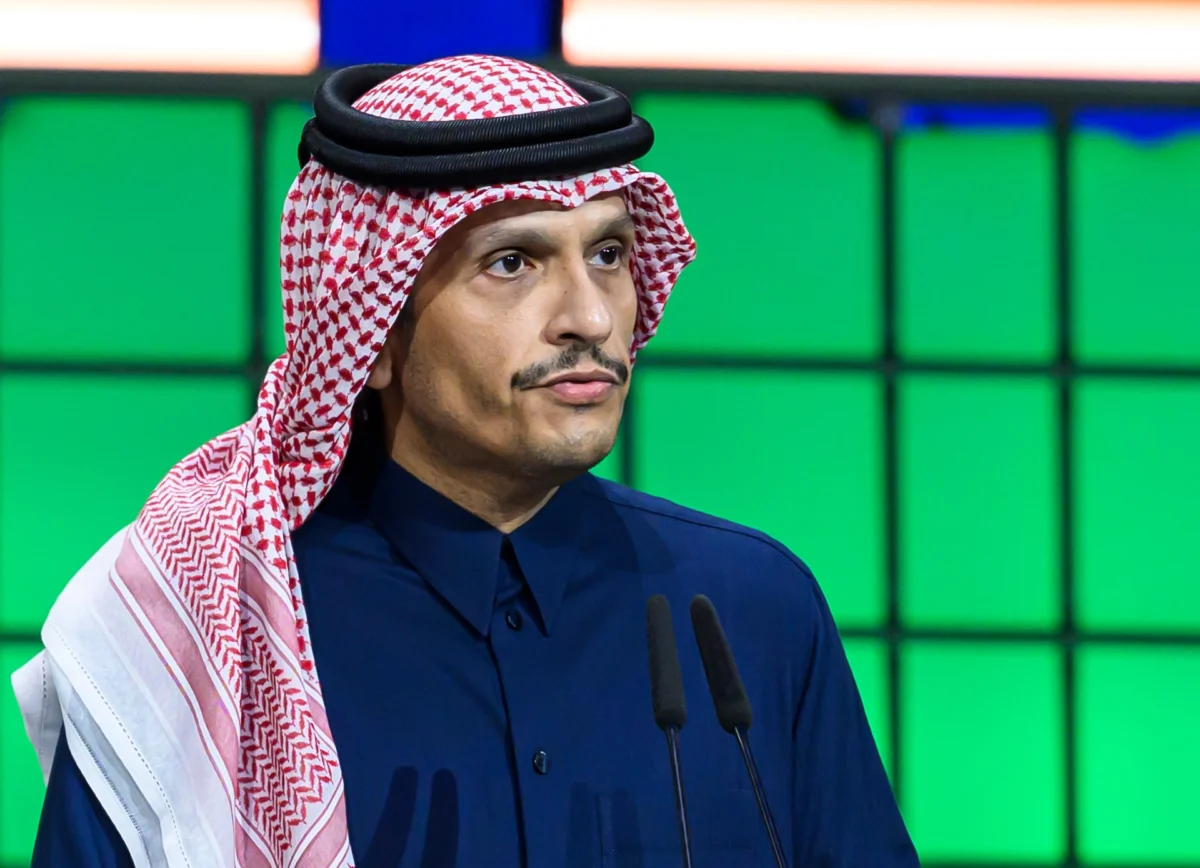
Lede: Qatar’s prime minister warned that fallout from the US-Israel conflict involving Iran could trigger widespread instability, using the metaphor of an earthquake during a speech at the United Nations General Assembly. Sheikh Mohammed also revealed a strategic pivot in Qatar’s investment approach, signaling potential shifts in economic alignment.
The remarks came amid heightened regional tensions and ongoing diplomatic discussions surrounding Middle Eastern security frameworks. As Qatar repositions its economic strategy, observers are watching for implications across both geopolitical and financial landscapes.
Key Facts
- Qatar PM speech: Delivered at the UN General Assembly
- Regional warning: Described fallout as an “earthquake”
- Investment shift: Announced changes to national investment strategy
- Focus area: Impact of US-Israel actions on Iran highlighted
What Happens Next?
Investors and diplomats alike await further clarification from Doha on the scope and timeline of the announced investment realignments. Analysts note that such declarations often precede formal policy adjustments, especially when linked to volatile geopolitical events like those referenced by the Qatar PM statement.
Meanwhile, regional stakeholders remain cautious. The characterization of fallout as an earthquake suggests anticipation of significant disruption — whether through market movements, refugee flows, or altered alliance structures. How these dynamics unfold may depend heavily on subsequent rhetoric or action from involved parties.
Who Is Affected?
Nations with direct ties to either side of the US-Israel-Iran axis find themselves reassessing risk exposure. For smaller states navigating between major powers, the Qatar PM statement underscores growing uncertainty about long-term alignment options.
Economic actors too face new variables. A recalibration of Qatari capital deployment could influence currency valuations, infrastructure projects, and inter-regional trade routes. While specifics were sparse, the mere announcement signals readiness to adapt financial posture amid shifting global currents.
What We Know — and What We Don’t
Verified by the source:
- Sheikh Mohammed spoke before the UN General Assembly
- He described fallout as an “earthquake”
- An investment strategy change was announced
- The context involved US-Israel conflict dynamics affecting Iran
Still unconfirmed:
- Exact timing or details of the investment shift
- Precise meaning behind the earthquake metaphor
- No independent verification of quotes or claims
- Broader reactions from other world leaders missing
Why It Matters: This development reflects rising concern over cascading effects of cross-border conflicts, particularly where economic policies intersect with defense postures. Countries reliant on stable partnerships must now consider how rapidly shifting alliances might reshape opportunity sets.
What To Watch: Official statements from relevant ministries and follow-up coverage from credible news outlets will help clarify whether this represents tactical messaging or foundational policy change.