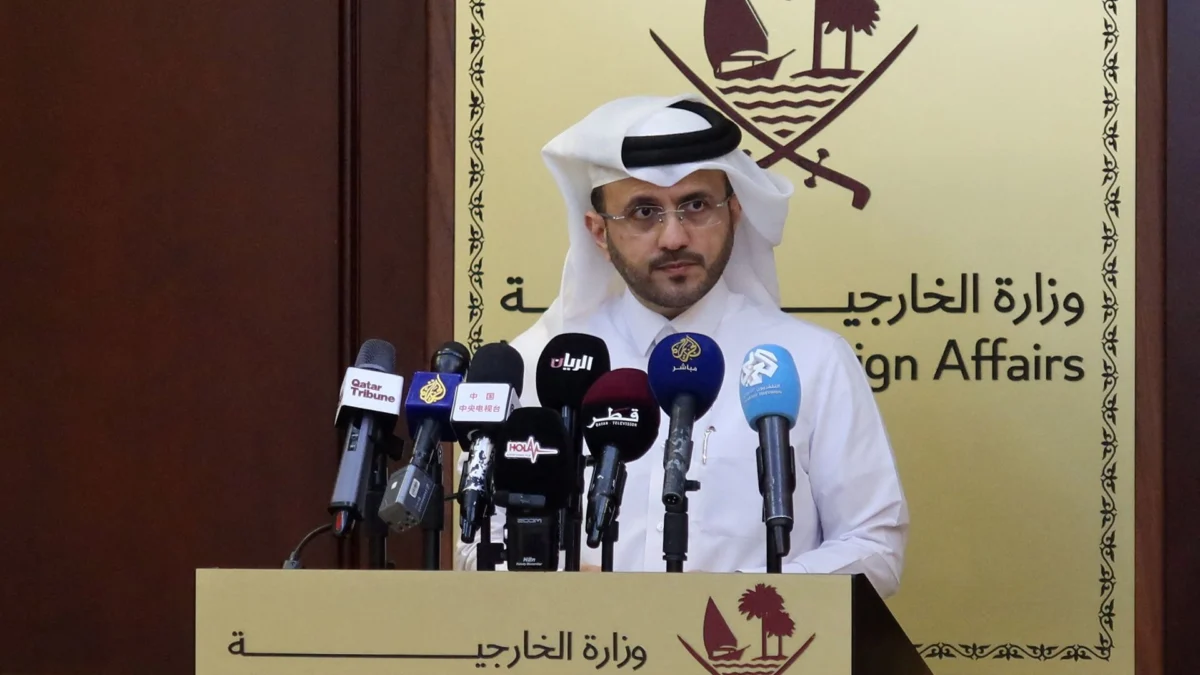
Qatar is working to revive Iran-US talks, with mediators said to be shuttling between the two sides, according to a Qatari Foreign Ministry spokesperson speaking to Bloomberg. The effort reflects ongoing regional diplomatic activity aimed at restarting negotiations between Iran and the United States, though few specifics have been provided by Qatari officials.
The renewed push comes amid broader discussions about regional stability and international diplomacy, with Qatar positioning itself as a mediator in Middle Eastern affairs. While the spokesperson did not offer details on the timing or format of the talks, the statement signals that Qatar remains engaged in facilitating dialogue between the two nations.
Key Facts
- Qatar says it is working to revive Iran-US talks.
- A Qatari Foreign Ministry spokesperson spoke to Bloomberg about the effort.
- Mediators are reportedly shuttling between Iran and the United States.
- No specific timeline or format for talks was provided.
- The statement reflects Qatar’s ongoing role in regional diplomacy.
The Story
What happens next?
The next steps in reviving Iran-US talks remain unclear. While Qatari mediators are said to be engaging with both sides, no concrete schedule or agenda has been confirmed. Regional observers will likely watch for further statements from Doha or direct communication from Iranian or U.S. officials.
Historical context shows that indirect negotiations between Iran and the United States have previously been facilitated by third-party nations, particularly those in the Gulf region. These types of talks often begin with quiet diplomatic channels before progressing to more formal meetings. Whether this shuttle diplomacy leads to publicly announced sessions or resumed agreement frameworks is yet to be determined.
The lack of detailed information from the Qatari Foreign Ministry leaves room for speculation about the nature and urgency of these renewed efforts. Any future confirmation from either Tehran or Washington regarding participation or intent would help clarify the status of these talks.
Who is affected?
Regional actors and international observers are implicitly affected by any potential revival of Iran-US talks. The Gulf Cooperation Council countries, as well as global powers monitoring Middle Eastern stability, may see shifts in policy or rhetoric depending on how discussions evolve. Citizens in both Iran and the United States could face changing policy environments if negotiations lead to formal accords.
Additionally, economic stakeholders such as energy markets, financial institutions, and trade partners often respond to geopolitical developments involving Iran and the U.S. Should these talks progress, fluctuations in oil prices, sanctions relief discussions, and investment flows may follow, impacting regional and global economies.
Meanwhile, humanitarian organizations and advocacy groups may find opportunities for increased engagement around issues like prisoner exchanges, sanctions impacts, and regional security cooperation if diplomatic momentum builds.
What We Know — and What We Don’t
Verified by the source:
- Iran-US talks revival is being pursued by Qatari mediators.
- A Qatari Foreign Ministry spokesperson made the statement to Bloomberg.
- No official confirmation from Iran or the U.S. has been reported.
- No details on timelines, outcomes, or formats of talks were provided.
Still unconfirmed:
- Whether Iran or the U.S. will officially agree to renewed negotiations.
- Specific topics or agenda items under discussion.
- The identities or titles of individual mediators involved.
- Any expected dates or locations for potential meetings.
Why It Matters
Diplomatic engagement between Iran and the United States influences regional security, energy markets, and international relations. Even early-stage efforts to revive talks can reduce uncertainty for governments and businesses, making them a key indicator of broader geopolitical trends. Renewed dialogue may also open pathways for addressing long-standing conflicts and humanitarian concerns.
What To Watch
Observers should await any official responses from Iranian or U.S. authorities. Additional statements from Qatari sources or confirmation of scheduled meetings would signal further progress.
See more coverage in our War & Geopolitics section.