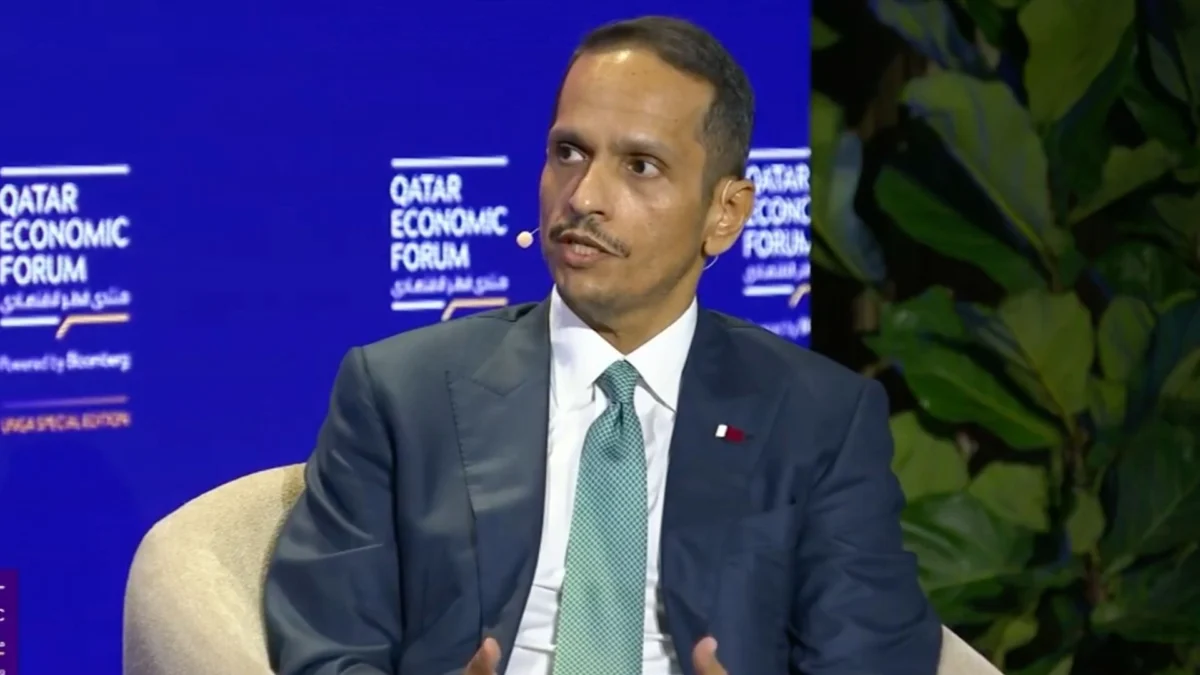
Qatar’s prime minister urged Gulf states and Iran to adopt a shared security framework that would guarantee none of the countries poses a threat to another, arguing the Gulf will not return to normal without such guarantees. The appeal came during recent regional remarks and underscores Qatar’s push for diplomatic engagement over confrontation.
The proposal frames security as a collective concern rather than a zero-sum rivalry, suggesting dialogue could ease long-standing tensions. Analysts note the idea revives older multilateral efforts that stalled amid shifting alliances and proxy conflicts.
Key Facts
- Qatar’s prime minister called for a Gulf security framework with Iran.
- He said the Gulf won’t be the same without mutual non-aggression guarantees.
- The source identified the statement as part of ongoing regional diplomacy.
What the Framework Proposal Means
A Gulf security framework would establish agreed-upon ground rules for state behavior across the Persian Gulf. The prime minister’s wording implied that lasting stability requires formal commitments, not temporary understandings. Such frameworks often include dispute-resolution mechanisms, confidence-building measures, and military-to-military hotlines.
Regional experts describe similar past initiatives as ambitious but fragile, citing unresolved territorial disputes and competing influence operations. Without enforcement mechanisms, critics argue declarations may lack credibility. Still, proponents say any written agreement creates a baseline for diplomacy and accountability.
How This Fits Into Broader Gulf Diplomacy
The call echoes earlier Gulf Cooperation Council (GCC) outreach toward Iran, which paused after 2019 tensions. Since the 2021 Qatar-brokered deal restoring ties with Saudi Arabia, Doha has positioned itself as a mediator between Gulf Arab states and Tehran. The prime minister’s remarks suggest Qatar aims to institutionalize that role.
Iran’s foreign ministry has previously expressed openness to regional dialogue but criticized unilateral security overtures. Observers say a successful framework would need buy-in from the United States, which maintains significant military presence in the Gulf. Economic cooperation, including energy exports and shipping lanes, often drives such negotiations.
Who Is Affected by This Push
Citizens and businesses across Gulf states could see reduced military posturing, lower insurance costs for shipping, and expanded trade if a security framework takes hold. For Iran, participation might ease sanctions-era isolation. For the United States and its allies, decreased tensions could lower defense spending in the region.
However, hardliners in multiple capitals view concessions as concessions, creating domestic resistance. Civil society groups emphasize that ordinary people—fishermen, traders, and migrant workers—bear the brunt of escalating rhetoric. Their safety depends directly on whether diplomatic commitments translate into de-escalation on the ground.
What We Know — and What We Don’t
Verified by the source:
- Qatar’s prime minister advocated for a Gulf security framework involving Iran.
- He stated the Gulf region cannot return to normal without mutual non-aggression assurances.
- The remarks were reported as part of current diplomatic efforts.
Still unconfirmed:
- The exact date and venue of the prime minister’s comments.
- Whether other Gulf leaders publicly responded to the proposal.
- Details of any planned follow-up talks or negotiations.
Why It Matters
The Gulf region links crucial global oil supplies, maritime routes, and growing financial markets. When tensions rise, stock markets wobble, shipping rates spike, and energy prices surge. A credible Gulf security framework could reduce those shocks, offering predictability that benefits consumers and investors worldwide.
Yet history shows such agreements require sustained political will and third-party guarantees. Until concrete steps follow today’s appeals, markets and analysts will likely treat declarations as aspirational rather than binding.
What to Watch
Regional diplomats say further statements from Gulf foreign ministries and Iran’s response could shape momentum in the coming weeks. Officials have not yet announced a timetable for negotiations, so much now turns on whether this appeal gathers broader support.