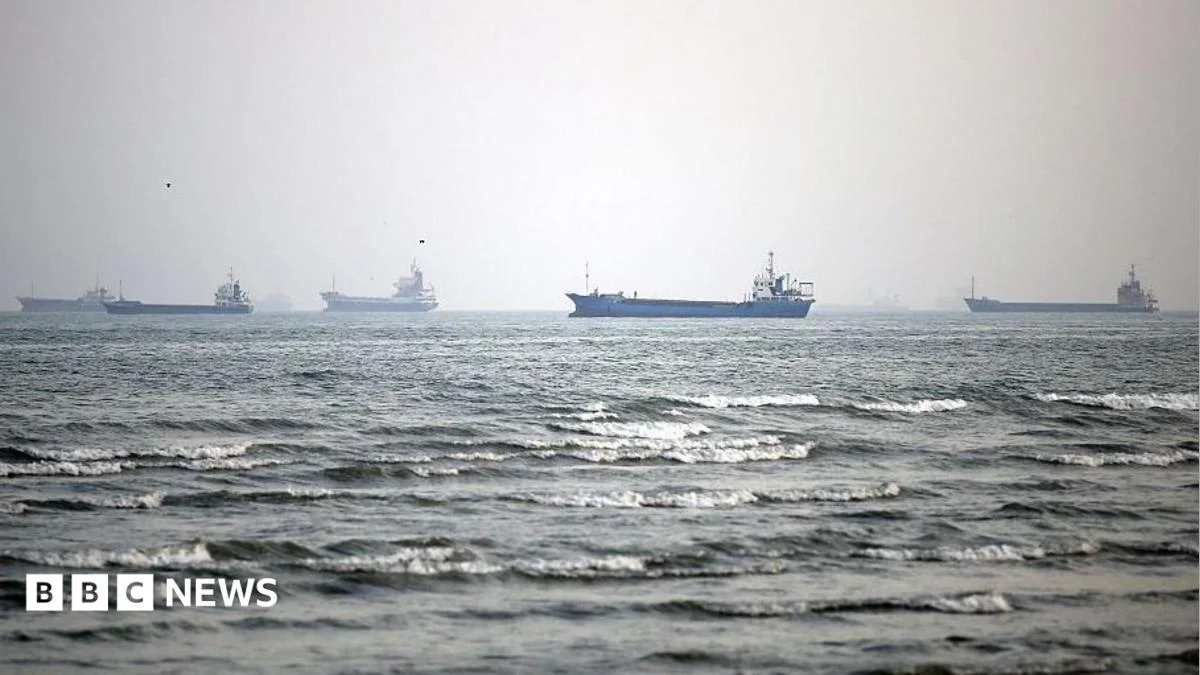
A tanker was hit by multiple projectiles in the Gulf off Qatar, and casualties have been reported on the vessel, according to a statement from a maritime agency. The incident occurred in a strategically sensitive region of the Persian Gulf, where maritime traffic remains dense and security incidents can quickly affect energy supply chains and regional stability.
The vessel involved has been identified by a maritime intelligence firm as the oil and chemical tanker Acers. While further operational details remain limited, the attack underscores ongoing risks to commercial shipping in the area. The Gulf off Qatar falls within a broader stretch of water that connects major energy exporters to global markets, making any disruption potentially significant for international trade flows.
Key Facts
- A tanker was hit by multiple projectiles in the Gulf off Qatar.
- Casualties have been reported on the vessel.
- The vessel was identified by a maritime intelligence firm as the oil and chemical tanker Acers.
- The incident was reported by a maritime agency.
What Happened and When
The attack on the Acers represents one of the latest security incidents involving commercial shipping in the Gulf off Qatar, a waterway that serves as a critical corridor for liquefied natural gas and crude oil exports. Multiple projectiles struck the vessel, prompting emergency responses from regional maritime authorities. At this time, no group has publicly claimed responsibility, and independent confirmation of the precise nature or origin of the projectiles remains pending. The involvement of a maritime intelligence firm in identifying the vessel suggests external monitoring of shipping activity in the region, which frequently draws attention from defense analysts and energy market participants.
Casualties have been reported on the vessel, though the number of injured or deceased individuals has not been officially confirmed. Maritime incidents in confined or politically sensitive waters often trigger rapid coordination between coast guards, naval forces, and international shipping organizations. The Gulf off Qatar lies near several territorial boundaries, adding layers of jurisdictional complexity to incident response efforts.
Who Is Affected and Why It Matters
The crew of the Acers, along with the shipping company that operates the vessel and the customers who rely on its cargo deliveries, are directly affected by the attack. Oil and chemical tankers routinely transport refined and raw materials across the Gulf, linking suppliers in the Gulf Cooperation Council states to importers in Asia, Europe, and beyond. Disruptions to such routes can ripple through global energy markets, influencing crude oil and product pricing. International shippers and insurers also monitor developments closely, as repeated attacks or near-misses may lead to rerouting decisions that increase transit times and costs.
Regional governments maintain varying levels of naval presence in the Gulf off Qatar to deter or respond to threats against commercial shipping. Past incidents in nearby waters have involved unmanned aerial systems, fast boats, and improvised explosive devices. The absence of a publicly verified attribution in this case leaves open questions about whether state or non-state actors were involved, and whether the targeting was deliberate or collateral to another operation.
What We Know — and What We Don’t
Verified by the source:
- A maritime agency reported the tanker strike.
- The vessel was identified as the Acers by a maritime intelligence firm.
- Casualties were reported on board.
- Multiple projectiles struck the vessel.
Still unconfirmed:
- The exact time and location coordinates of the attack.
- The number of casualties or their severity.
- The identity of any responsible party.
- The type and origin of the projectiles used.
- Damage severity and potential cargo impact.
Why It Matters
Commercial shipping disruptions in the Gulf off Qatar can influence global energy prices and supply reliability, since the region accounts for a substantial share of worldwide oil and gas exports. Repeated attacks on merchant vessels may also pressure companies to seek alternative routing, increasing freight expenses and delivery schedules. For policymakers, each incident adds urgency to diplomatic efforts aimed at stabilizing maritime conditions, which remain fragile despite prior agreements intended to protect neutral shipping lanes.
What To Watch
Royal Navy, U.S. Fifth Fleet, and Gulf state naval forces may release additional situational updates if the situation escalates further. The maritime agency that initially reported the incident has not yet issued follow-up comments.
A tanker struck by multiple projectiles in the Gulf off Qatar has left casualties unaccounted for and raised new concerns over maritime security near critical energy exports.