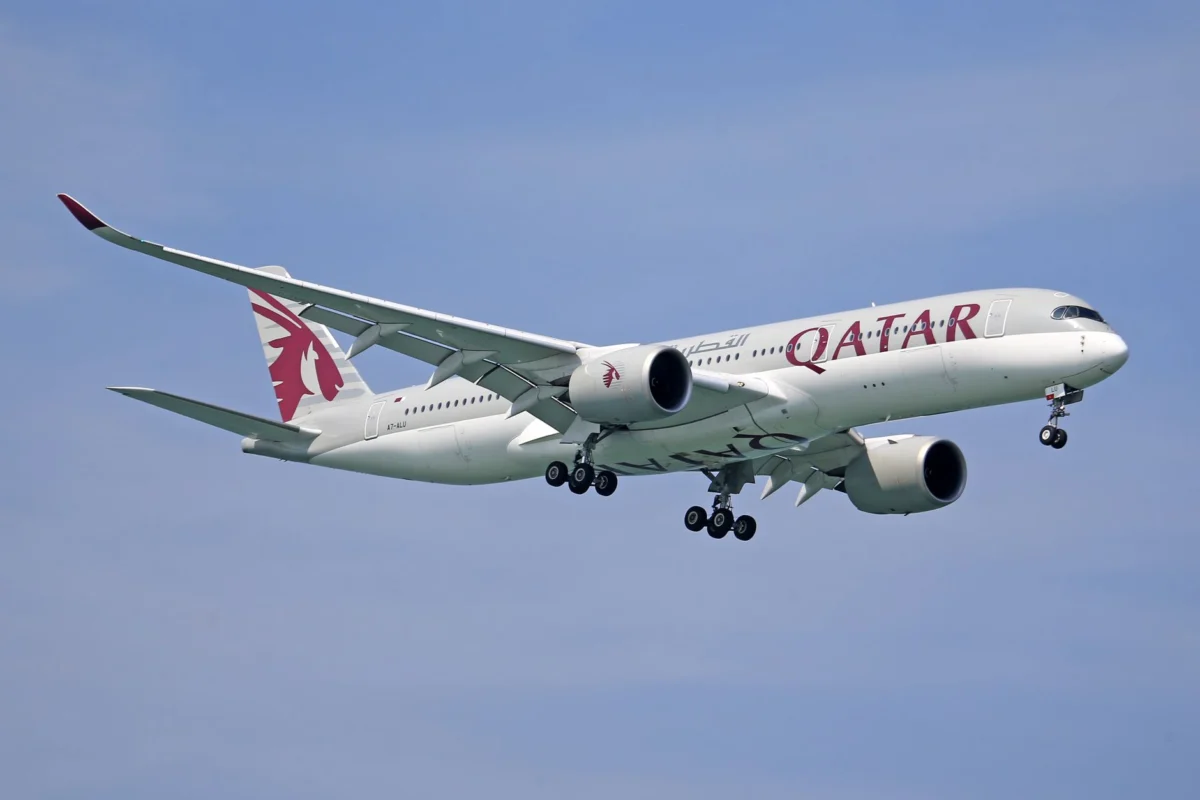
Qatar Airways expansion adds more than 20 new routes this summer, pushing its network beyond 160 destinations and eclipsing rivals like Emirates and Etihad.
On a sweltering July morning, a freshly‑painted Airbus A350 rolled out of Doha’s Hamad International Airport bound for Nairobi’s bustling Jomo Kenyatta International. It was the first of dozens of new services that will pepper the airline’s summer timetable.
Since June, Qatar Airways has opened routes to Kuwait City, Nairobi, Doha, Muscat and several secondary European cities. The carrier now claims a portfolio of 162 destinations – a figure that tops the combined network of Emirates, Etihad, Saudia, Gulf Air and Oman Air.
Why does this matter?
Travelers in the Gulf and East Africa gain more direct options, shaving hours off journeys that once required two‑leg connections. Business executives, tourism operators, and diaspora families all stand to benefit from reduced transit times and lower ticket prices that competition forces.
For the regional economy, the surge in seats translates into higher airport revenues, hotel bookings, and ancillary spending. According to a economy and markets briefing, each new route can generate up to $45 million in annual economic impact for the host city.
What is the scale of Qatar Airways expansion?
The airline announced 22 new services for the June‑September period, including nonstop flights from Doha to Nairobi, Kuwait City and a revived summer link to Larnaca, Cyprus. It also reinstated seasonal frequencies to Istanbul and added a weekly service to Vilnius, Lithuania.
Combined with existing routes, the network now spans six continents and 162 cities – a figure that outstrips Emirates’ 144 destinations and Etihad’s 130.
Who is affected?
Frequent flyers from the Gulf will see more point‑to‑point options, reducing reliance on hub‑and‑spoke transfers. African airlines worry about losing market share on lucrative Middle‑East corridors, while European low‑cost carriers anticipate tighter competition on secondary airports.
Travel agents report a spike in queries for summer holidays to East Africa, a region that historically lagged behind Europe in visitor numbers.
What happens next?
Qatar Airways has signalled that the summer roll‑out is a testbed. If load factors exceed 75 percent, the carrier may convert several seasonal routes into year‑round services and consider adding more aircraft to its fleet.
Analysts at a regional technology and AI summit note that the airline’s data‑driven scheduling platform will continue to fine‑tune capacity, possibly reshaping the Middle East’s aviation map for years to come.
Keep watching as rival carriers respond – second‑guessing capacity, price wars, or even new joint ventures could reshape the competitive dynamics before the next peak travel season.