At 03:14 a.m. local time, the ground in Caracas jolted with a force measured at 7.2 on the Richter scale, sending plaster from ceilings crashing into bedrooms.
The quake was followed minutes later by a 6.8‑magnitude aftershock that rattled the same neighbourhoods, turning night‑time panic into a prolonged nightmare.
According to the Venezuelan seismological institute, the epicentre lay 35 km north‑west of the capital, 12 km deep, and the tremors were felt as far south as Maracaibo.
Why does this matter?
Less than six months earlier, U.S. special forces captured former president Nicolás Maduro on charges of drug trafficking, creating a power vacuum that already destabilised the country’s fragile economy.
The earthquake now threatens to cripple an already strained health system, where hospitals operate at 30 % capacity and shortages of oxygen and antibiotics are chronic.
International aid groups estimate that up to 150,000 people could be displaced, and that reconstruction could cost more than $4 billion – a sum Venezuela cannot afford without external loans.
Who is affected?
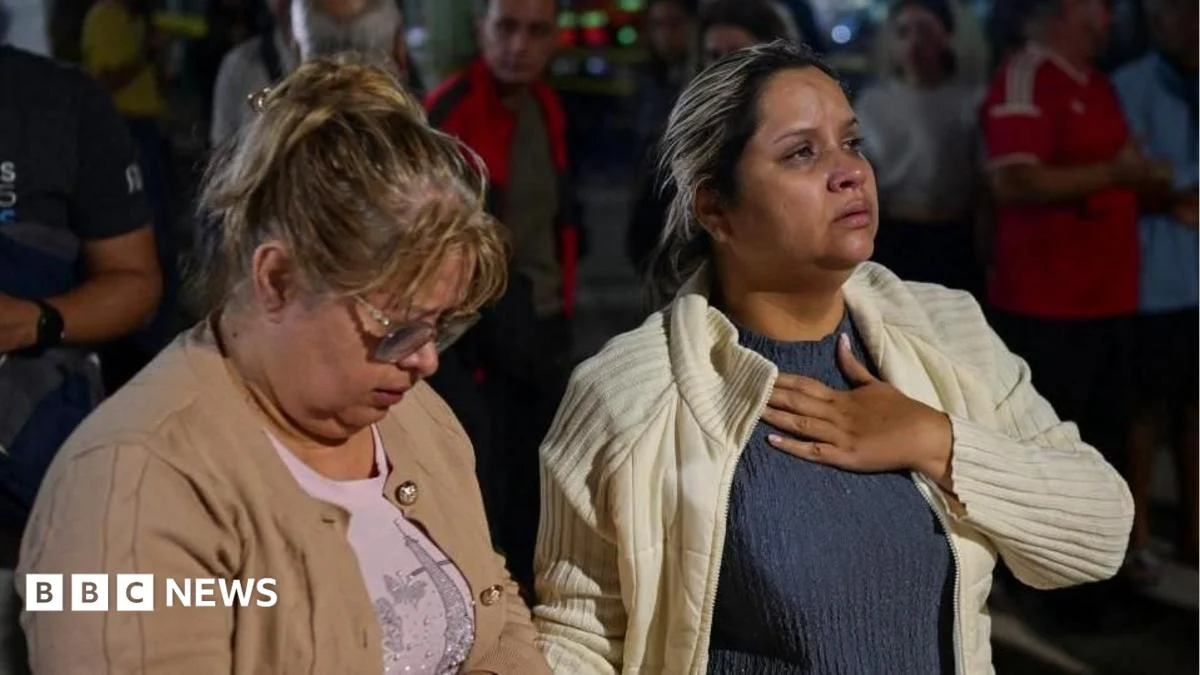
Families in the historic San Antonio neighbourhood reported collapsed walls and broken water lines, leaving dozens without clean water. The Ministry of Interior confirmed 1,246 injuries and 78 confirmed deaths, but local NGOs warn the death toll could rise as rescue teams struggle against power outages.
Business owners on Avenida Bolivar saw storefronts reduced to rubble, cutting daily revenue for an estimated 4,200 small enterprises.
For ordinary Venezuelans already facing hyperinflation, the disaster means longer lines for food, medicine and shelter.
What happens next?
The government has declared a state of emergency and appealed for humanitarian assistance from the United Nations.
U.S. State Department spokesperson Ned Price said Washington is ready to “provide emergency relief” but added that any aid “must be coordinated with the legitimate authorities in Caracas,” a phrase that sparked criticism from opposition leader Maria Corina Machado.
Meanwhile, the European Union announced a €50 million fund for emergency response, earmarking resources for temporary shelters and medical supplies.
Analysts warn that without swift reconstruction, the quake could become a catalyst for further social unrest, potentially fueling migration flows toward Colombia and Brazil.
Watch this space for updates as international aid convoys line up and Venezuelan officials begin the arduous task of rebuilding a nation already on its knees.
Read more about the impact of natural disasters on war‑geopolitics and the ripple effects on economy and markets.