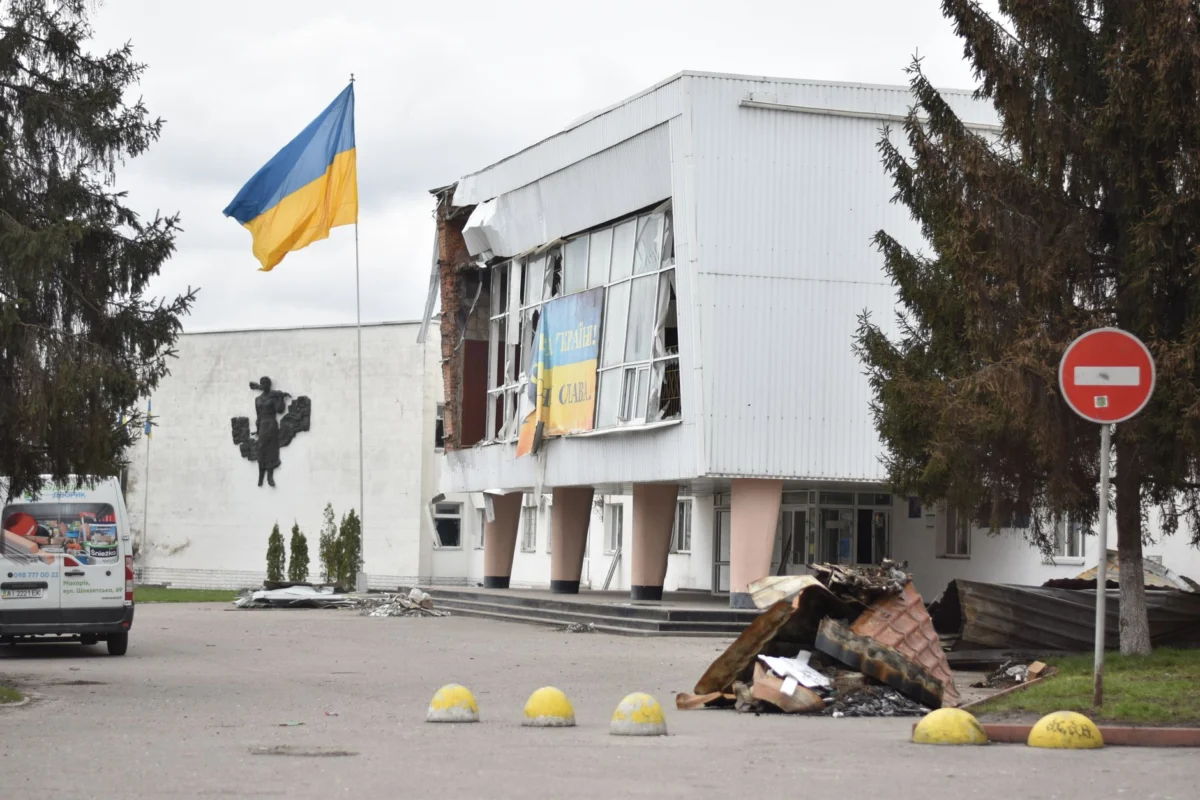
At 9 a.m. on Monday, a sea of blue and gold flags fluttered over the Palace of Culture and Science as Ukraine’s reconstruction plan took center stage in Warsaw.
The summit kicked off with a crisp announcement: donors have pledged **more than $30 billion** for Ukraine reconstruction, the largest single‑session commitment since the war began.
Polish President Andrzej Duda, flanked by EU and NATO officials, cut the ribbon on a model of a rebuilt Donbas school, while a Ukrainian delegation unveiled a digital dashboard tracking reconstruction projects.
Who is putting money on the table?
European Union institutions collectively offered €12 billion, with Germany contributing €3 billion and France €2 billion. The United States announced a fresh $5 billion package, supplementing the $25 billion already allocated through the Ukraine Reconstruction Fund.
Beyond the traditional powers, the United Kingdom pledged £1.2 billion, and Japan committed ¥150 billion for critical infrastructure. Private sector participants, including major construction firms and telecom giants, signed memoranda worth an additional €1 billion.
Why does this matter?
The war has left more than 6 million Ukrainians displaced and destroyed roughly 30% of the country’s built‑environment assets, according to UN estimates. Without massive financing, basic services—schools, hospitals, power grids—cannot be restored, deepening the humanitarian crisis and risking a “lost generation.”
For ordinary Europeans, the stakes are personal. Energy imports from Ukraine have been a key component of the continent’s diversification away from Russian gas. Rebuilding the grid could stabilize prices and enhance energy security for the whole EU.
Furthermore, the reconstruction effort is a test of NATO’s long‑term commitment. The alliance has pledged to keep the security umbrella over Ukraine, but the war’s end‑game will hinge on whether a viable, self‑sustaining economy emerges.
What happens next?
Over the next 48 hours, working groups will hammer out a governance framework for the Ukraine Reconstruction Fund, aiming to avoid the pitfalls that plagued post‑war rebuilds in the Balkans and Iraq.
Transparency watchdogs will monitor how quickly pledged money reaches ground‑level projects. The first tranche—targeting power plants in the east and schools in the west—is slated for disbursement by the end of 2026.
Critics warn that bureaucratic delays could stall progress, but donors say the summit’s momentum will help cut red tape.
As the conference draws to a close, the real test begins: turning billions of dollars on paper into bricks, beams, and broadband for a nation scarred by five years of conflict.
Stay tuned as the Ukraine reconstruction fund rolls out its first projects and the international community gauges whether the pledges become tangible change.