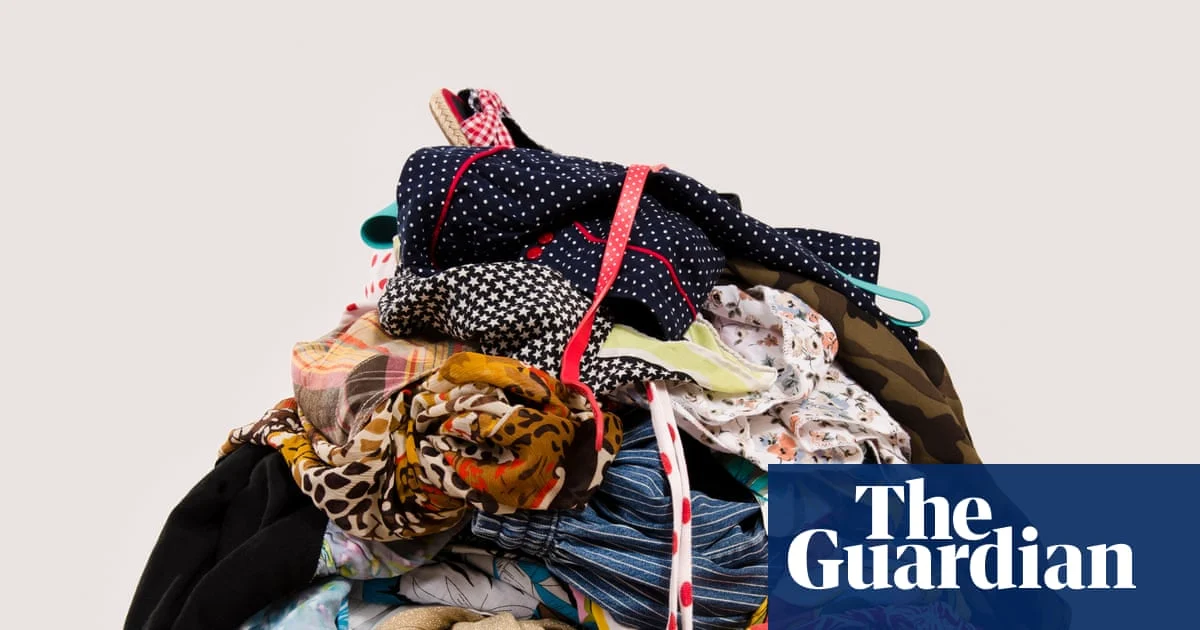
Polyester, the world’s most-produced synthetic fiber, has become Gen Z’s latest insult, used to mock cheap-looking content and questionable taste—a linguistic shift mirroring growing criticism of fast fashion’s environmental footprint. The material’s ubiquity in disposable clothing has turned its name into shorthand for ‘uncool’ and ‘obvious,’ echoing a 2015 moment when Kate Moss popularized the phrase ‘basic bitch.’
KEY FACTS
- Polyester is now gen Z’s new favorite diss, used to criticize cheap-looking videos on TikTok.
- The term is sometimes directed at other users’ taste, functioning as a slang insult.
- This slang reflects a broader literal backlash against polyester as the most-produced synthetic fiber.
- In 2015, Kate Moss called an easyJet pilot a ‘basic bitch’, a similar cultural moment.
How did polyester become an insult?
The rise of ‘polyester’ as an insult parallels fast fashion’s dominance—brands like Shein flood markets with low-cost, synthetic garments, making polyester a symbol of disposability. Younger consumers increasingly associate the material with environmental harm and poor aesthetics, weaponizing its name online. The shift recalls past slang trends, where terms like ‘basic’ evolved from neutral descriptors to cultural put-downs.
Who is pushing back against polyester?
Gen Z, a demographic highly attuned to sustainability, is leading the charge. The generation’s critique extends beyond words: fast fashion’s reliance on polyester (derived from fossil fuels) clashes with their climate-conscious values. While the material remains cheap and versatile, its reputation is declining, particularly among younger consumers who favor thrifting and sustainable brands.
WHAT WE KNOW — AND WHAT WE DON’T
Verified by the source:
- Polyester is now used as an insult by Gen Z.
- The term critiques both aesthetics and taste in online spaces.
- There is a literal backlash against polyester alongside its slang usage.
Still unconfirmed:
- Whether brands are actively responding to this cultural shift.
- How widespread the slang usage is beyond TikTok.
- If polyester production will decline due to Gen Z’s criticism.
WHY IT MATTERS
Language reflects cultural priorities—when a material’s name becomes an insult, it signals deeper societal rejection. Polyester’s fall from grace underscores growing impatience with fast fashion’s environmental toll, a sentiment that could pressure the industry to adopt sustainable alternatives.
WHAT TO WATCH
Whether sustainable fabrics gain traction as polyester’s reputation falters, and if major fashion brands pivot messaging to distance themselves from synthetic materials. Follow more on economy and markets trends.