Skip to content
LIVE
SPORTS Lando Norris Establishes Junior Team to Support F1 Aspirants — 80% verified      TOP STORIES EU Plans Response to Russia After Drone Attack as Germany Investigates Sabotage — 86% verified      TRADING & CRYPTO China’s Credit Impulse Flashes Red for Risk Assets — 76% verified      ECONOMY & MARKETS Illegal Tobacco Trade Surges in Scotland — 80% verified      WAR & GEOPOLITICS Xi Jinping Seeks Stronger China-Egypt Ties Amid Middle East Tensions — 80% verified      TOP STORIES WHO Chief Urges Increased Ebola Response in DRC Amid Funding Gap — 86% verified      ECONOMY & MARKETS UK Lords push for AI ‘kill switch’ powers — 80% verified      WAR & GEOPOLITICS Pollution Accelerates Glacier Melt in Nepal and Tibet — 80% verified      TOP STORIES George Clooney Criticizes US Government Leadership — 86% verified      TOP STORIES Zambia’s Hichilema Begins Second Term Amid Disputed Vote — 86% verified      SPORTS Lando Norris Establishes Junior Team to Support F1 Aspirants — 80% verified      TOP STORIES EU Plans Response to Russia After Drone Attack as Germany Investigates Sabotage — 86% verified      TRADING & CRYPTO China’s Credit Impulse Flashes Red for Risk Assets — 76% verified      ECONOMY & MARKETS Illegal Tobacco Trade Surges in Scotland — 80% verified      WAR & GEOPOLITICS Xi Jinping Seeks Stronger China-Egypt Ties Amid Middle East Tensions — 80% verified      TOP STORIES WHO Chief Urges Increased Ebola Response in DRC Amid Funding Gap — 86% verified      ECONOMY & MARKETS UK Lords push for AI ‘kill switch’ powers — 80% verified      WAR & GEOPOLITICS Pollution Accelerates Glacier Melt in Nepal and Tibet — 80% verified      TOP STORIES George Clooney Criticizes US Government Leadership — 86% verified      TOP STORIES Zambia’s Hichilema Begins Second Term Amid Disputed Vote — 86% verified     
Wednesday, September 2, 2026
Updated 16 minutes ago
AI-Verified Global News Intelligence
AI MONITORING ACTIVE
6,504 articles published
War & Geopolitics 80% VERIFIED

Pollution Accelerates Glacier Melt in Nepal and Tibet

Soot from vehicles and factories darkens glaciers, causing them to absorb more heat and melt faster, raising flood risks.
War & Geopolitics · September 2, 2026 · 51 minutes ago · 2 min read · AI Summary · NYT > World News
80 / 100
AI Credibility Assessment
High Credibility
AI VERIFIED 0/3 claims verified 1 sources cited
Source Corroboration 30%
Source Tier Quality 70%
Claim Verification 40%
Source Recency 90%

Single-source rewrite; limited independent verification

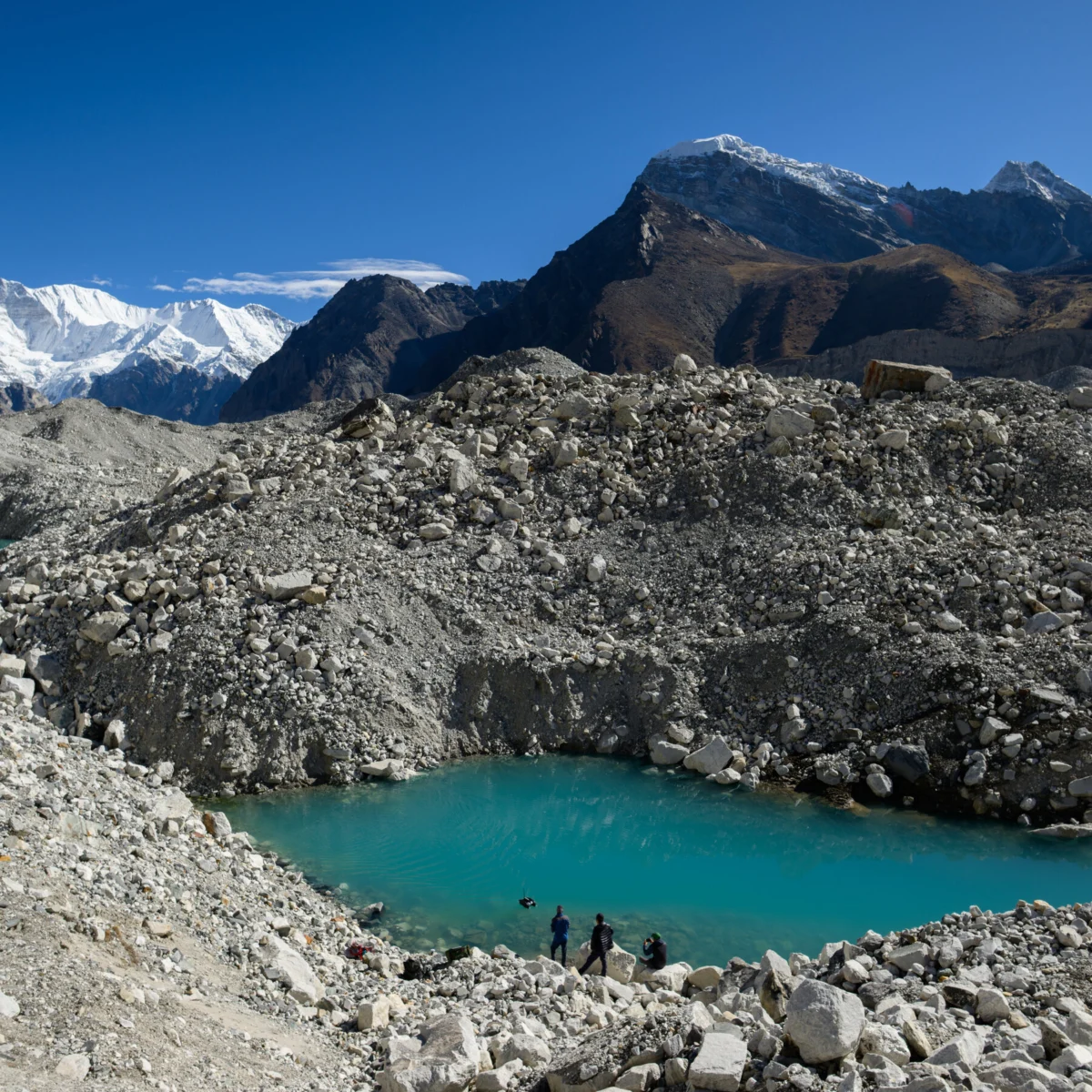
Pollution from soot is speeding up glacier melt in Nepal and Tibet, increasing the risk of flooding disasters in the region.

According to NYT > World News, soot from vehicles and factories darkens the glaciers, causing them to absorb more heat and melt at dangerous rates. This accelerated melting could lead to more frequent and severe floods, posing a significant threat to communities downstream.

Key Facts

  • Glaciers in Nepal and Tibet are darkened by soot from vehicles and factories.
  • The darkened glaciers absorb more heat, accelerating their melting.
  • The accelerated melting could increase the risk of flood disasters in the region.

What Does This Mean for Local Communities?

The accelerated melting of glaciers has direct implications for communities living downstream. As glaciers melt more rapidly, the volume of water released increases, which can lead to more frequent and severe flooding. This poses a significant risk to infrastructure, agriculture, and human lives in the region.

How Did We Get Here?

The primary driver of this accelerated glacier melt is the deposition of soot on the glaciers. Soot, produced by vehicles and factories, darkens the glacier’s surface. This darker surface absorbs more solar radiation, increasing the temperature and causing the ice to melt more quickly. This phenomenon is particularly concerning in regions like Nepal and Tibet, where glaciers are a critical source of freshwater.

What We Know — and What We Don’t

Verified by the source:

  • Soot from vehicles and factories is darkening glaciers in Nepal and Tibet.
  • The darkened glaciers are absorbing more heat, accelerating their melting.

Still unconfirmed:

  • The exact rate of glacier melt due to soot deposition.
  • Specific measures being taken to mitigate this issue.

Why It Matters

The accelerated melting of glaciers due to pollution is a pressing issue that affects not only local communities but also the global climate system. Glaciers regulate freshwater supply, and their rapid melting could lead to water scarcity and increased flood risks, impacting millions of people.

What To Watch

Monitoring the rate of glacier melt and the effectiveness of pollution control measures will be crucial in understanding and mitigating the risks associated with this phenomenon.

Community Verdict — Do you trust this story?
Be the first to vote on this story.