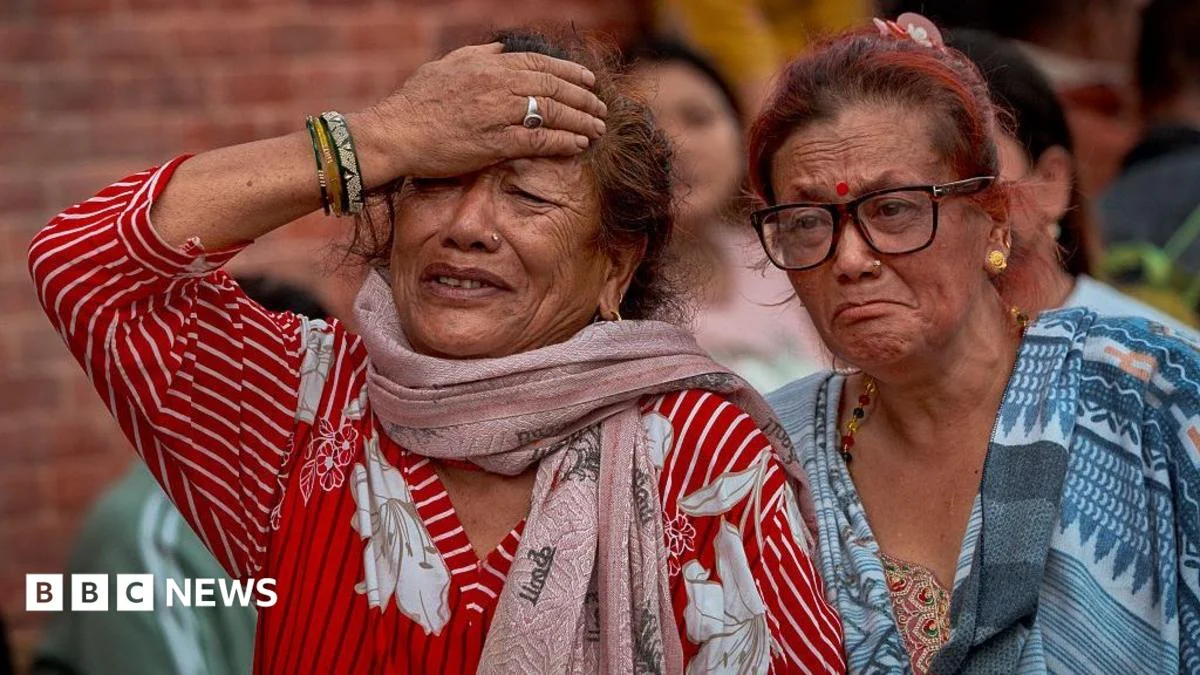
Nepal is racing to deliver aid and locate missing victims after catastrophic flooding that has left more than 1,200 dead, according to BBC News. The United Nations reports that relief efforts are accelerating, with airlifts supplying isolated villages as search teams work through devastated areas.
With thousands still unaccounted for, the disaster ranks among Nepal’s deadliest flood events in recent years. The full scale of damage remains unclear as responders battle challenging terrain and communication outages.
Key Facts
- More than 1,200 people have died in the Nepal floods
- Thousands remain missing as search operations continue
- Aid is being airlifted to cut-off villages
- The UN reports intensified relief and recovery efforts
What makes these floods so devastating?
The death toll surpasses most previous flood disasters in Nepal’s modern history. Mountainous terrain compounds the challenge, with landslides and flash flooding making some areas impossible to reach by ground. BBC News reports rescue teams are prioritizing air operations to deliver supplies and evacuate survivors where roads have been destroyed.
How is the international community responding?
United Nations agencies are coordinating with Nepalese authorities, though the report doesn’t specify which organizations are involved. Airlift operations suggest military or disaster response aircraft are being deployed, but the source doesn’t identify contributing countries or forces. Previous major floods in Nepal have drawn support from neighboring India and China through regional disaster response agreements.
What We Know — and What We Don’t
Verified by the source:
- Death toll exceeds 1,200
- Thousands reported missing
- Aid delivery via airlifts underway
- UN confirms intensified relief efforts
Still unconfirmed:
- Exact number of missing persons
- Causes or meteorological factors behind flooding
- Which specific villages are receiving aid
- International partners contributing to response
Why It Matters
Floods regularly devastate South Asia during monsoon seasons, but events of this scale test even robust disaster response systems. Nepal’s mountainous geography makes remote communities particularly vulnerable when infrastructure fails, highlighting the importance of regional cooperation for emergency response.
What To Watch
Authorities will likely update missing persons counts as search operations continue. The UN or Nepalese government may release more details about international assistance in coming days. Find more global disaster coverage in our war & geopolitics category.