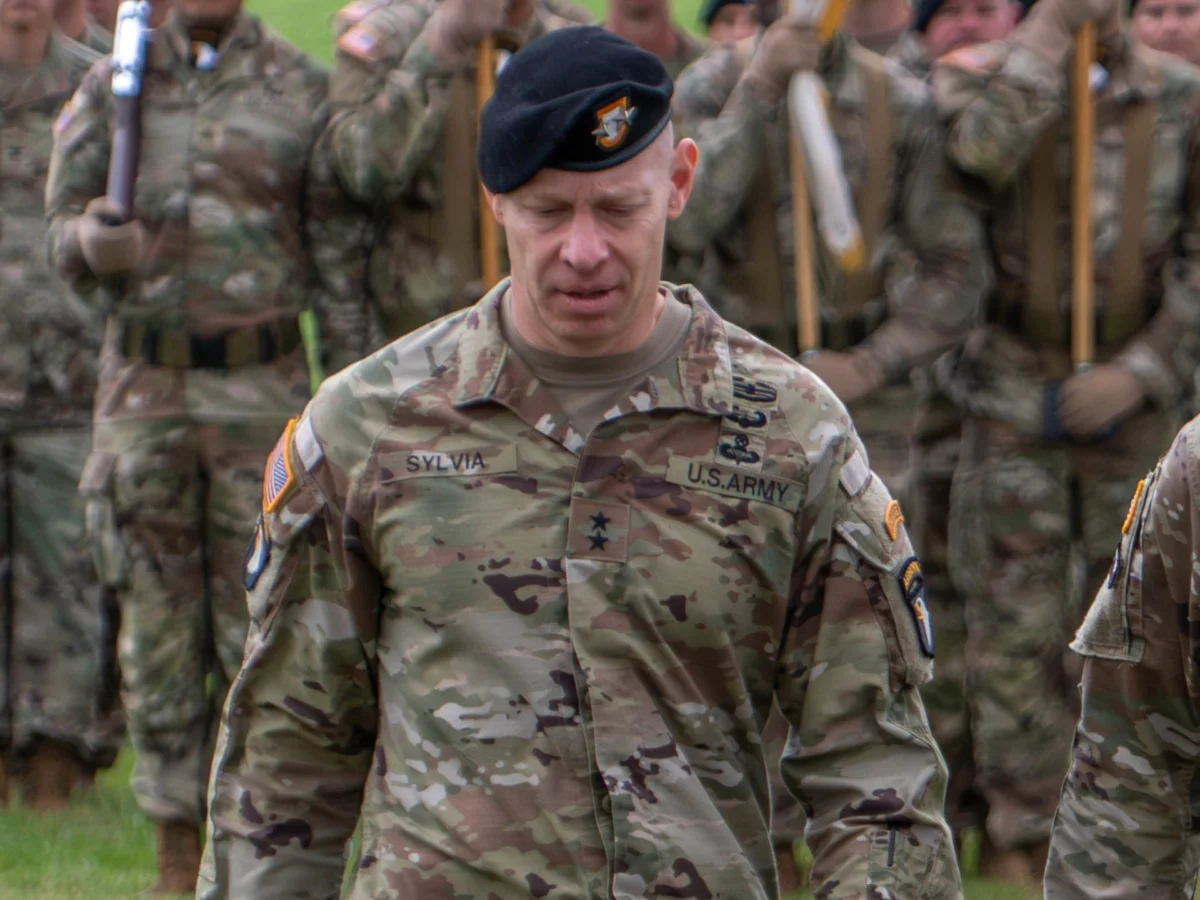
The Pentagon has fired an Army general after an investigation found he leaked classified information to the media. Army Lieutenant General Brett Sylvester was the subject of the probe, according to reports. The information at issue concerned matters involving Iran and Ukraine, though few additional details were released.
The dismissal underscores the U.S. military’s strict protocols around classified material and signals a high-level enforcement of those rules. While the investigation focused on leaks to the press, broader implications may extend to ongoing diplomatic and defense discussions around both countries.
KEY FACTS
- The Pentagon fired a general over classified information leak.
- Army Lieutenant General Brett Sylvester was investigated.
- The probe involved allegations of media disclosures tied to Iran and Ukraine.
How Did We Get Here?
Military investigations into unauthorized disclosures typically begin when senior officials identify breaches of classification protocols. These investigations can take months and involve interviews with subordinates, reviews of communications records, and assessments of whether compartmentalized material was improperly shared. In this case, the leak is said to have involved sensitive topics connected to current geopolitical concerns, including Iran’s regional activities and developments in Ukraine.
Leaks of classified information are taken seriously across all branches of the U.S. government. They risk compromising intelligence capabilities and diplomatic strategies. Past cases have led to criminal prosecutions, security reviews, and reforms in how information is handled internally. The identity of the general involved here was not previously disclosed publicly until this report.
Who Is Affected?
Beyond the individual involved, the incident affects how the Department of Defense manages internal trust and transparency. It also highlights ongoing sensitivities around national security matters involving Iran and Ukraine, where precise wording and controlled messaging often play critical roles in shaping public perception and policy responses.
For citizens and journalists alike, such events raise questions about accountability and access to government information. While officials emphasize the need to protect operational secrets, others point to the value of informed public debate on foreign policy issues. This balance remains delicate, especially amid evolving international tensions.
WHAT WE KNOW & WHAT WE DON’T
Verified by the source:
- An Army general was fired over alleged leaks.
- He was identified as Lieutenant General Brett Sylvester.
- His case centered on classified data concerning Iran and Ukraine.
Still unconfirmed:
- Specific contents or scope of the leaked material.
- Any criminal charges pending against him.
- Official statements from the general or his representatives.
Why It Matters
This firing demonstrates the Pentagon’s commitment to safeguarding classified information, particularly on matters tied to active global conflicts. At a time when misinformation and espionage pose significant threats, maintaining tight control over sensitive data is essential to preserving U.S. strategic advantages abroad.
What To Watch
Further updates may include formal court-martial proceedings or official briefings from defense leadership. Analysts will also watch how this affects U.S. narrative strategies regarding Iran and Ukraine in the coming weeks.
Meta description: The Pentagon fired a general investigated for leaking classified information related to Iran and Ukraine, marking a rare disciplinary move by the Defense Department.