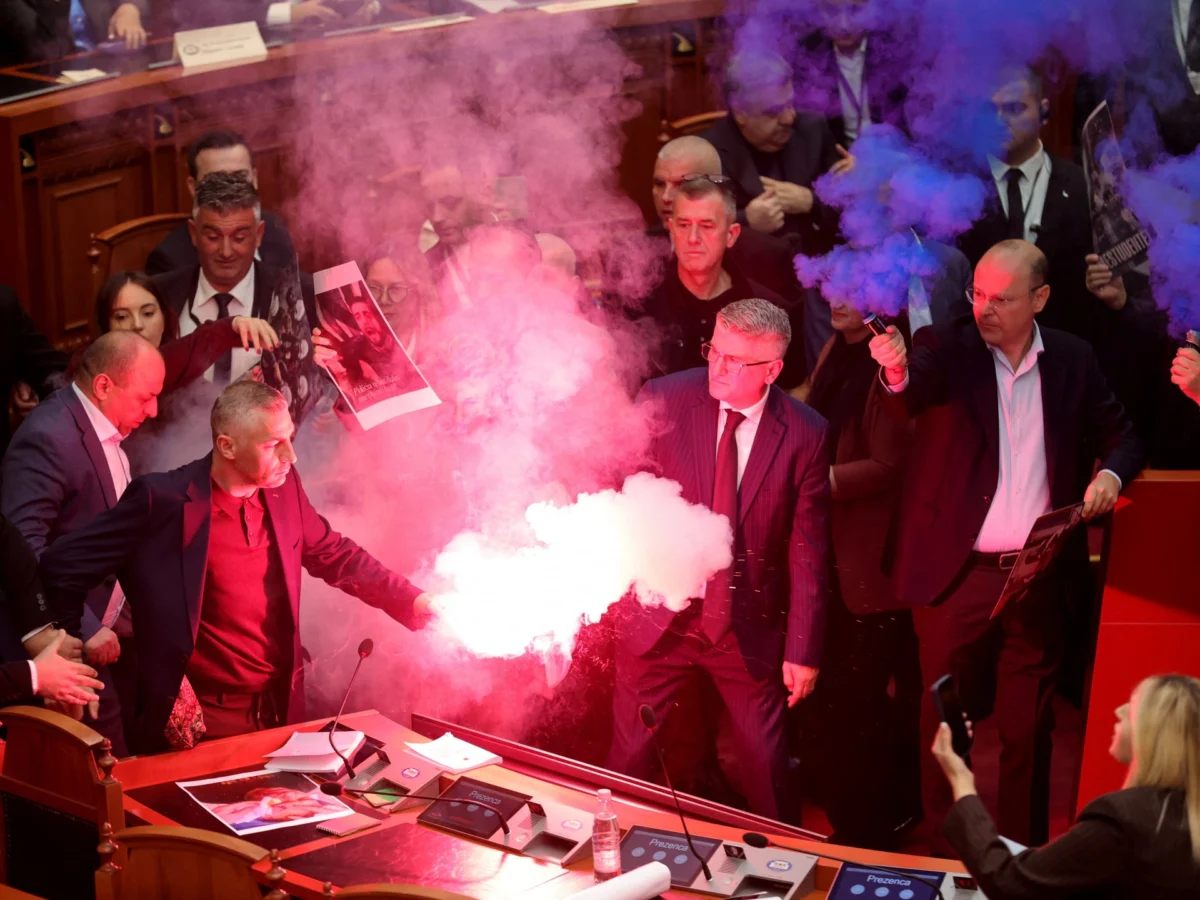
In a dramatic escalation of political tensions, the Albanian opposition stormed the parliament chamber, deploying flares and smoke bombs during a live session. The lawmakers accused Prime Minister politics of downplaying the scale and intensity of ongoing antigovernment protests sweeping the country. The disruption brought the legislative session to a halt, underscoring deepening divisions within Albania’s political landscape.
The incident reflects growing frustration among opposition groups who claim the government has failed to adequately address public discontent. By interrupting parliament through direct action, the opposition aimed to spotlight what they describe as a pattern of minimized public unrest and inadequate dialogue with citizens.
Key Facts
- Opposition lawmakers disrupted an Albanian parliament session.
- Flares and smoke bombs were set off inside the chamber.
- Lawmakers accused the prime minister of downplaying antigovernment protests.
- The disruption paused the ongoing parliamentary session.
- The protests remain ongoing and antigovernment in nature.
Who Is Affected by the Disruption?
The immediate impact falls on Albania’s parliamentary process, which was interrupted mid-session. Beyond the chamber itself, the broader population — particularly those participating in or affected by the antigovernment protests — remains central to the unfolding situation. Citizens have been voicing concerns over governance issues, and this parliamentary disruption signals that political tensions are spilling directly into state institutions.
Public trust in democratic norms may also feel strain when legislative proceedings become scenes of physical confrontation rather than structured debate. While protests are a recognized form of dissent, entering and disrupting parliament elevates the stakes significantly.
For international observers, such actions raise questions about rule of law and institutional stability, both of which can influence foreign perceptions and diplomatic engagement with Albania.
What Happens Next After the Parliament Storming?
Albanian opposition protests
Following the chamber’s disruption, the Albanian government has yet to issue formal statements regarding immediate legislative consequences. However, precedents suggest possible disciplinary actions against involved lawmakers, including potential arrests or temporary suspensions from duty.
Opposition leaders may seek to maintain momentum by organizing further demonstrations outside government buildings. Meanwhile, parliamentary officials will need to determine how to resume normal business without compromising security protocols.
Internationally, regional bodies like the European Union might monitor developments closely, given Albania’s aspirations for deeper EU integration. Escalation could invite diplomatic pressure for restraint and renewed dialogue.
What We Know — and What We Don’t
Verified by the source:
- Opposition lawmakers entered the parliament chamber.
- Flares and smoke bombs were activated inside the building.
- They accused the prime minister of minimizing ongoing antigovernment protests.
- Parliamentary proceedings were paused as a result.
Still unconfirmed:
- No specific number of participants involved in the disruption.
- No official response from the prime minister or government at time of reporting.
- No indication of injuries or arrests following the event.
- No confirmed timeline for resumption of parliamentary activities.
Why It Matters
This episode highlights mounting instability in Albania’s political environment, where institutional channels appear increasingly strained under public pressure. Democratic legitimacy relies not only on elections but also on peaceful participation within established frameworks. When legislators resort to symbolic confrontation, it raises concerns about fractures in democratic governance that extend beyond domestic borders.
What To Watch
Government responses, including whether disciplinary measures are announced against participating lawmakers, will clarify if this act accelerates or deepens political divides moving forward.